
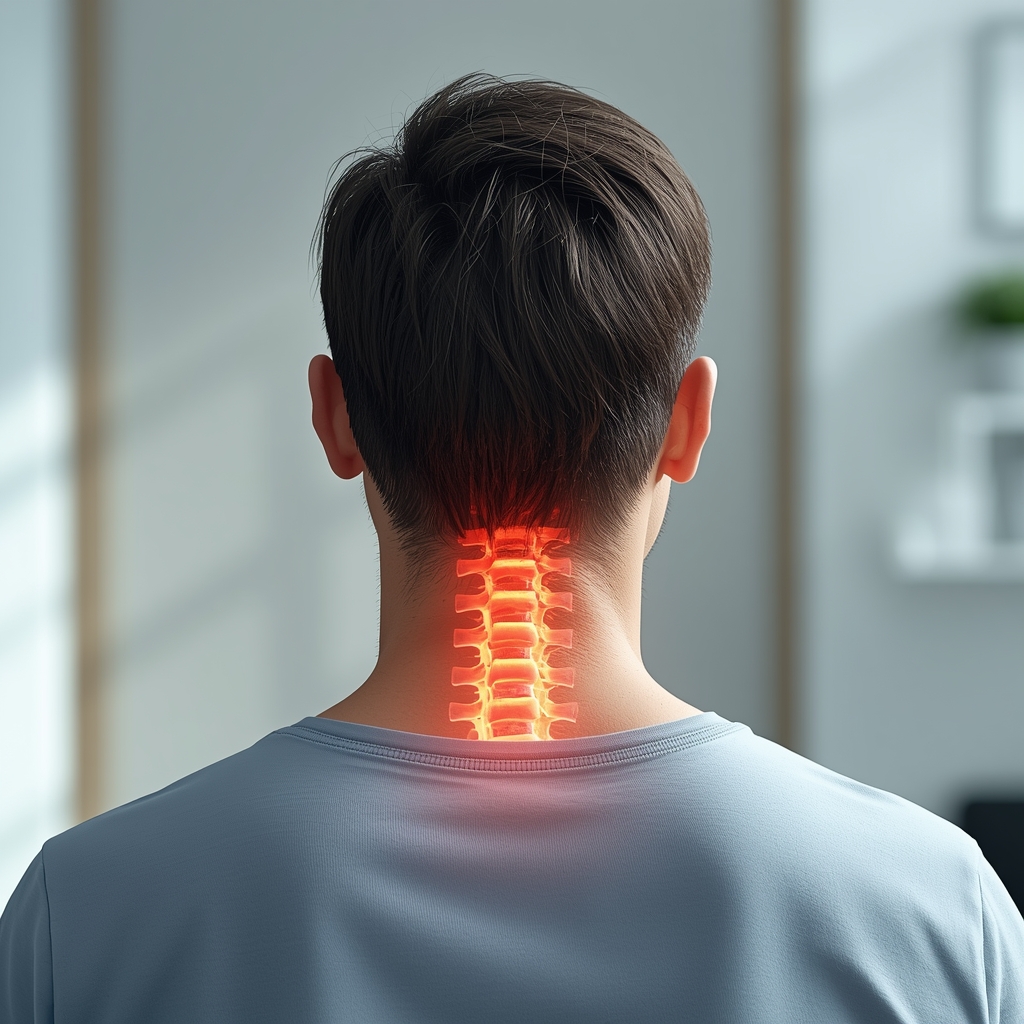
Understanding the Unique Challenges of Veterans with Chronic Whiplash and PTSD
Veterans often face complex health challenges due to service-related injuries, including chronic whiplash and post-traumatic stress disorder (PTSD). Whiplash, commonly caused by explosions or vehicle accidents, can lead to long-term cervical spine degeneration, while PTSD introduces psychological stress that may exacerbate physical symptoms. These conditions are interconnected, as chronic pain and stress can create a cycle of discomfort and emotional distress. Chiropractic care offers a non-invasive approach to address both physical and neurological aspects of these issues, focusing on restoring mobility, reducing inflammation, and supporting overall well-being. However, veterans may require tailored strategies due to the unique nature of their injuries and the heightened sensitivity to stress that often accompanies PTSD.
How Chiropractic Adjustments May Help Cervical Spine Degeneration
Chiropractic adjustments aim to realign the spine, alleviating pressure on nerves and improving joint function. For veterans with chronic whiplash-related cervical spine degeneration, these adjustments can help reduce pain, enhance range of motion, and slow the progression of degenerative changes. Techniques such as spinal manipulation and mobilization are often used to correct misalignments caused by trauma. While general guidelines exist for whiplash recovery, veterans may require modified approaches due to pre-existing injuries or heightened sensitivity. Chiropractors may also incorporate soft tissue therapies to address muscle tension and inflammation, which are common in both cervical spine degeneration and PTSD-related stress responses.
The Role of PTSD in Physical Recovery and Pain Perception
PTSD can significantly impact physical recovery by altering pain perception and increasing muscle tension. Chronic stress from PTSD may lead to heightened sensitivity to pain, making it more challenging to manage conditions like cervical spine degeneration. This psychological component underscores the need for a holistic approach to care, where chiropractic treatments are complemented by stress-reduction strategies. Veterans may benefit from integrative methods such as mindfulness exercises or counseling, which can enhance the effectiveness of chiropractic interventions. By addressing both the physical and emotional aspects of recovery, chiropractors can help veterans achieve more balanced outcomes, reducing the risk of long-term complications.
Special Considerations for Military Veterans in Chiropractic Care
Chiropractic care for veterans must account for the unique demands of military service, including exposure to high-impact trauma and prolonged physical strain. Veterans may have a higher prevalence of comorbid conditions, such as traumatic brain injuries or musculoskeletal disorders, which can complicate treatment plans. Chiropractors working with this population should prioritize personalized care, considering the veteran’s medical history and current symptoms. Additionally, the psychological toll of service may necessitate a compassionate, trauma-informed approach to ensure comfort and trust. Collaborating with other healthcare providers, such as physical therapists or mental health professionals, can further enhance treatment efficacy and support comprehensive recovery.
Integrating Chiropractic Care with Mental Health Support
A multidisciplinary approach is often essential for veterans dealing with both cervical spine degeneration and PTSD. Chiropractic care can be integrated with mental health services to address the bidirectional relationship between physical pain and emotional well-being. For example, therapies that reduce cervical spine inflammation may also alleviate tension headaches, which are common in PTSD patients. Conversely, stress management techniques can improve sleep quality and reduce muscle tightness, indirectly supporting spinal health. Veterans should work closely with their chiropractor and mental health provider to create a cohesive care plan that addresses all aspects of their condition, ensuring a more effective and sustainable recovery.
Consulting a Qualified Chiropractor for Personalized Treatment
Each veteran’s experience with chronic whiplash and PTSD is unique, requiring individualized care plans. While chiropractic techniques can offer relief, the specific approach should be determined through a thorough evaluation by a licensed chiropractor. Veterans should seek providers with experience in treating service-related injuries and understanding the complexities of PTSD. Open communication about symptoms, medical history, and treatment goals is crucial for developing an effective strategy. By partnering with a qualified chiropractor, veterans can explore non-invasive options that may complement other therapies, ultimately improving their quality of life and long-term outcomes.












