
The Unique Challenges of Combat-Related Injuries
Combat veterans often face complex musculoskeletal injuries from trauma, explosions, or repetitive strain. These can lead to chronic joint pain, reduced mobility, and long-term disability. Conditions like spinal misalignments, ligament damage, and nerve compression are common. Traditional medical approaches may focus on medication or surgery, but chiropractic care offers a non-invasive alternative. By addressing structural imbalances and promoting natural healing, chiropractors help veterans regain function and reduce reliance on painkillers. This approach aligns with the growing emphasis on holistic care for service members.
How Chiropractic Adjustments Support Joint Health
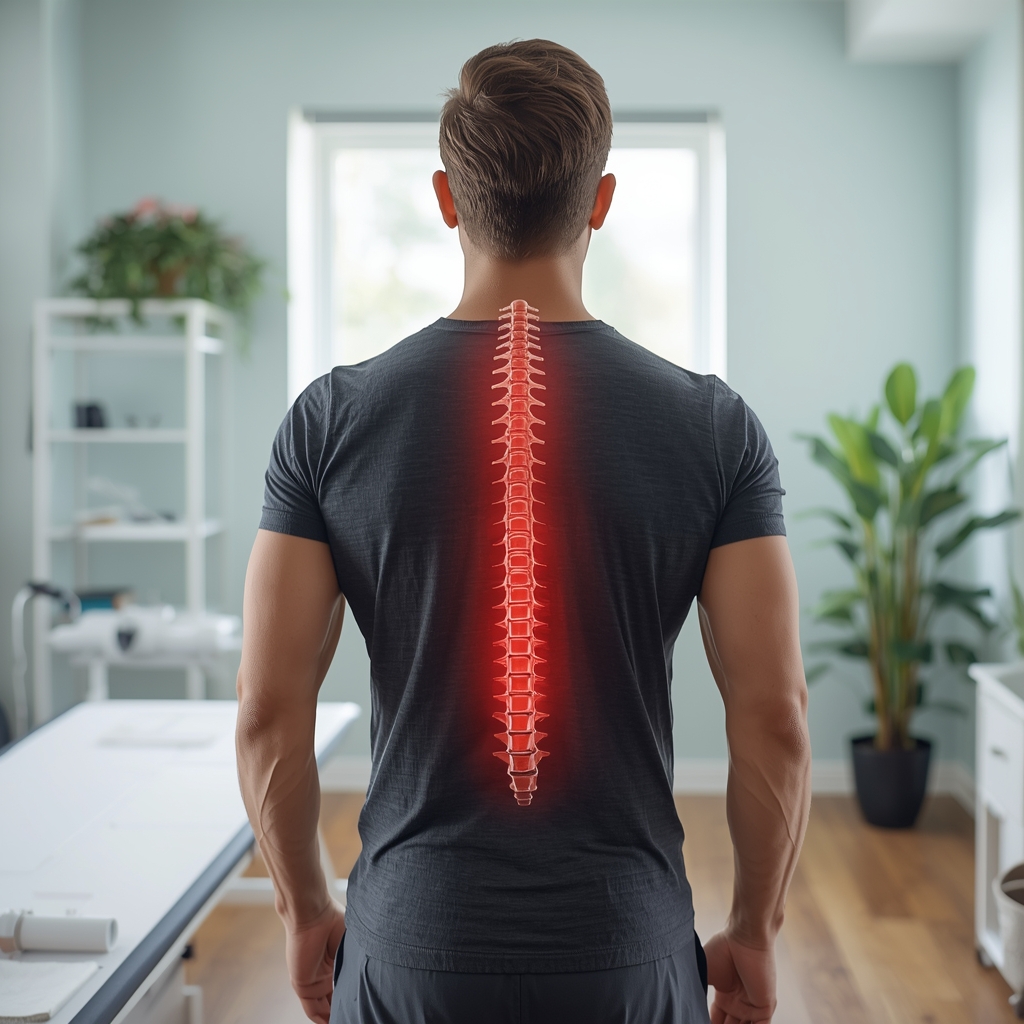
Spinal and joint adjustments are central to chiropractic care, aiming to restore proper alignment and function. For veterans, this can alleviate pressure on nerves and joints, improving mobility and reducing inflammation. Techniques like spinal manipulation and soft tissue therapy target areas affected by combat injuries, such as the spine, shoulders, and knees. By correcting misalignments, chiropractors help the body heal more efficiently. This can lead to better posture, less strain on joints, and improved overall movement. Many veterans report reduced pain and increased flexibility after regular adjustments, highlighting the value of this approach for long-term joint health.
Addressing Chronic Pain Through Non-Invasive Care
Chronic pain from combat injuries often persists despite conventional treatments. Chiropractic care focuses on identifying and treating the root causes rather than just masking symptoms. For example, misaligned vertebrae or restricted joint movement can contribute to ongoing discomfort. By using targeted adjustments and therapies, chiropractors help reduce inflammation and restore normal function. This method is particularly beneficial for veterans dealing with conditions like fibromyalgia or post-traumatic arthritis. The emphasis on natural healing avoids the risks of long-term medication use, offering a safer, more sustainable option for managing chronic pain.
The Role of Personalized Treatment Plans
Every veteran’s injuries and recovery journey are unique, requiring tailored chiropractic care. A skilled chiropractor conducts thorough evaluations to create customized treatment plans addressing specific needs. This may include a combination of adjustments, rehabilitative exercises, and lifestyle recommendations. For instance, a veteran with a spinal injury might benefit from decompression therapy, while another with joint damage might need soft tissue work. Personalized care ensures that treatments are effective and adaptable as the body heals. This approach fosters better outcomes and empowers veterans to take an active role in their recovery.
Integrating Chiropractic Care with Other Therapies
Chiropractic care often works best when combined with complementary therapies. Veterans may benefit from physical therapy, massage, or acupuncture to enhance pain relief and mobility. For example, combining spinal adjustments with therapeutic exercises can strengthen supporting muscles and prevent future injuries. Chiropractors collaborate with other healthcare providers to create a cohesive treatment strategy. This integrative approach addresses both structural and functional aspects of recovery. Veterans can thus access a comprehensive care plan that supports their physical and emotional well-being, promoting a more balanced path to healing.
Encouraging Long-Term Wellness and Independence
Chiropractic care extends beyond immediate pain relief, focusing on long-term wellness for veterans. Regular adjustments can prevent recurring injuries and maintain joint health over time. Educating patients on proper posture, ergonomics, and self-care techniques empowers them to manage their conditions independently. This proactive approach reduces the need for emergency interventions and supports a higher quality of life. By fostering resilience and mobility, chiropractic care helps veterans regain confidence and autonomy. It’s a valuable resource for those seeking sustainable solutions to combat-related health challenges.














