
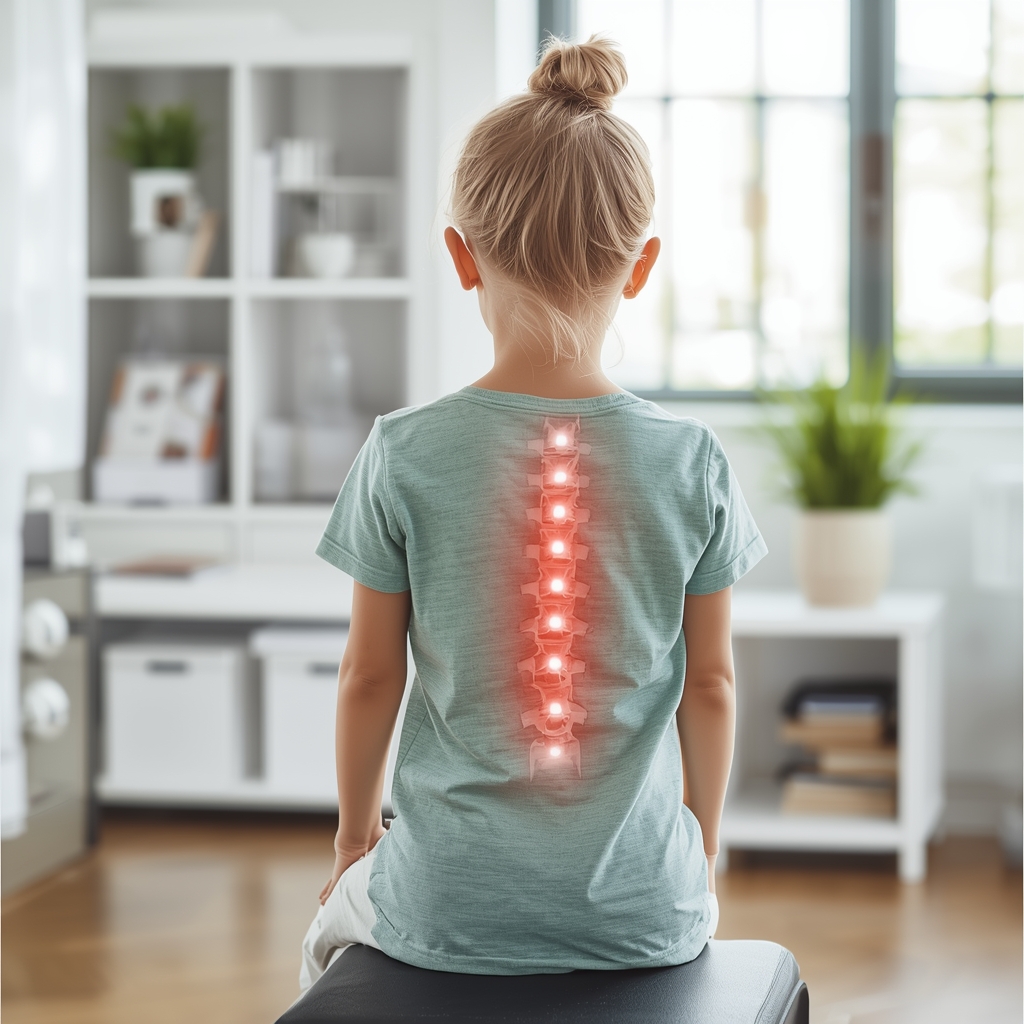
Understanding Early-Stage Scoliosis in Children
Early-stage scoliosis in children under 12 involves mild spinal curvature that may progress if left unaddressed. While not always painful, it can affect posture, balance, and long-term spinal health. Non-surgical interventions, including chiropractic care and targeted exercises, are often recommended to manage progression and support natural growth. These approaches focus on gentle adjustments, posture correction, and strengthening routines that respect the developing skeletal system. Parents should consult a qualified pediatric chiropractor to create a personalized plan, as each child’s needs vary based on curvature severity, age, and overall health. Regular monitoring is key to ensuring interventions remain effective as the child grows.
Common Chiropractic Techniques for Scoliosis
Chiropractors often use gentle, non-invasive techniques to address spinal imbalances in children. The Diversified technique, which involves manual adjustments to realign the spine, is commonly employed. Another approach is the Activator Method, using a handheld tool to apply controlled, low-force impulses to specific areas. These methods aim to reduce pressure on the spine and improve mobility without stressing growth plates. Soft tissue therapies, such as myofascial release, may also be used to alleviate muscle tension contributing to spinal misalignment. Chiropractors tailor these techniques to the child’s age and condition, prioritizing comfort and safety. Regular sessions help maintain spinal flexibility and support healthy development.
Growth-Plate-Safe Exercises for Scoliosis
Low-impact exercises that strengthen core and postural muscles are vital for children with early-stage scoliosis. Activities like yoga, swimming, and specific corrective exercises—such as the Schroth method—can improve spinal alignment and stability. These exercises focus on stretching tight muscles and strengthening weaker ones to reduce curvature progression. For example, side-lying leg lifts or wall angels help engage the back and shoulder muscles without straining the spine. Parents should ensure exercises are supervised by a trained professional to avoid improper form. Consistency is key, as regular practice supports long-term spinal health and complements chiropractic care.
Monitoring Progress and Adjusting Care
Regular follow-ups with a chiropractor are essential to track a child’s scoliosis progression and adjust interventions as needed. X-rays or physical exams may be used to assess changes in spinal curvature, allowing for timely modifications to the care plan. Parents should observe for signs of worsening posture, pain, or discomfort and communicate these to the chiropractor. A multidisciplinary approach, including input from pediatricians or physical therapists, ensures comprehensive care. Open communication between caregivers and healthcare providers helps maintain the effectiveness of non-surgical strategies, adapting them to the child’s growth and development stages.
When to Consider Other Interventions
If non-surgical methods fail to stabilize or improve spinal curvature, further evaluation by an orthopedic specialist may be necessary. In some cases, bracing could be recommended to prevent progression, especially if the curve exceeds a certain degree. Surgery is typically reserved for severe cases where curvature threatens organ function or quality of life. Chiropractors often collaborate with other medical professionals to provide holistic care, ensuring all options are explored. Parents should remain proactive in monitoring their child’s condition and seeking second opinions if concerns arise. The goal is to balance conservative care with timely referrals to specialized treatments when needed.
Conclusion: A Holistic Approach to Pediatric Scoliosis
Managing early-stage scoliosis in children requires a careful, individualized approach that prioritizes safety and growth. Chiropractic care, combined with targeted exercises, offers a non-invasive way to support spinal health and reduce progression risks. By working with experienced professionals, parents can help their children maintain mobility, comfort, and confidence. Regular assessments and open dialogue with healthcare providers ensure interventions remain effective as the child develops. While chiropractic techniques are not a cure, they play a valuable role in a broader strategy that may include physical therapy, bracing, or other treatments. Ultimately, early intervention and a collaborative care plan are critical for long-term outcomes.












