
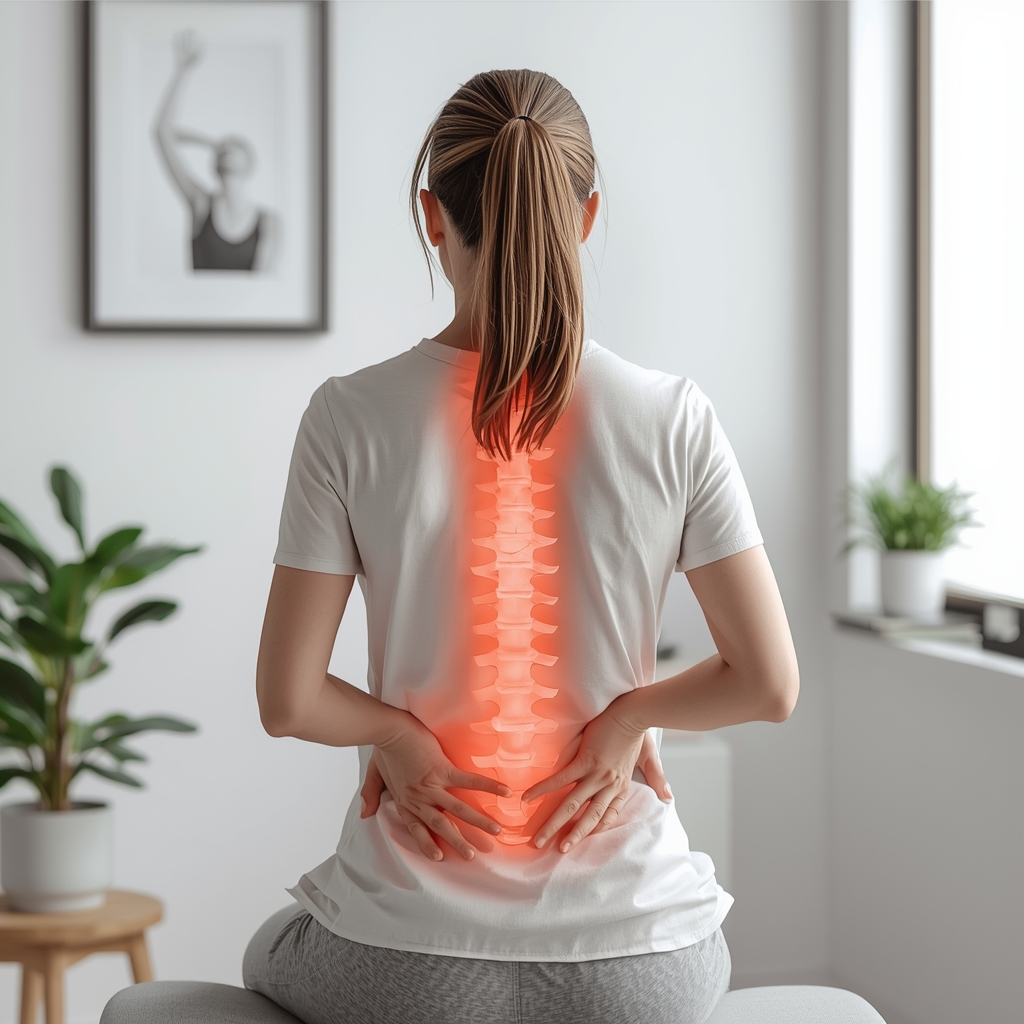
Understanding Sciatica and Lumbar Disc Herniation
Sciatica refers to pain radiating along the sciatic nerve, often caused by compression from a herniated lumbar disc. This condition can lead to inflammation, nerve irritation, and recurring discomfort. While spinal adjustments are a common treatment, lifestyle factors like diet and posture play critical roles in managing symptoms and preventing flare-ups. Chronic inflammation from poor dietary choices or prolonged poor posture may exacerbate disc herniation, making it essential to address these areas alongside traditional care. Patients seeking long-term relief should consider holistic approaches that support spinal health and reduce systemic inflammation.
The Role of Diet in Reducing Inflammation
Diet significantly impacts inflammation levels in the body, which can influence sciatica symptoms. Processed foods, refined sugars, and trans fats are known to promote inflammation, potentially worsening nerve pain and disc-related issues. Conversely, a diet rich in whole foods may help modulate the body’s inflammatory response. While no single food can cure sciatica, certain nutrients and eating patterns are broadly associated with reduced inflammation. Patients should focus on balanced nutrition as part of a comprehensive care plan, consulting with healthcare professionals to tailor recommendations to their needs.
Anti-Inflammatory Foods to Incorporate
Including anti-inflammatory foods in the diet can support overall spinal health and reduce sciatica flare-ups. Fatty fish like salmon, rich in omega-3 fatty acids, are well-established for their anti-inflammatory properties. Leafy greens, berries, and nuts provide antioxidants that combat oxidative stress linked to chronic inflammation. Whole grains and legumes offer fiber, which supports gut health—a factor increasingly tied to systemic inflammation. While these foods may not directly repair disc herniation, they contribute to a healthier internal environment, potentially easing nerve-related discomfort when combined with other therapeutic strategies.
Foods to Avoid for Inflammation Reduction
Certain dietary choices can exacerbate inflammation and worsen sciatica symptoms. Foods high in saturated fats, such as fried items and processed meats, may trigger inflammatory responses. Refined carbohydrates like white bread and sugary snacks can also contribute to chronic inflammation. Excessive alcohol consumption and high-sodium foods may further strain the body’s ability to manage pain and repair tissues. While eliminating these items entirely is not always necessary, reducing their intake can support a less inflammatory state. Patients should work with healthcare providers to identify personal triggers and develop sustainable dietary adjustments.
Postural Adjustments for Spine Health
Proper posture is vital for reducing pressure on the lumbar spine and minimizing sciatica recurrence. Sitting with a straight back, supported by an ergonomic chair, helps maintain spinal alignment. Avoiding slouching or crossing legs for extended periods can prevent nerve compression. When standing, distributing weight evenly on both feet and taking frequent breaks to move reduces strain. Sleep posture also matters—using a supportive mattress and avoiding stomach sleeping may ease sciatic nerve tension. These adjustments, when combined with regular movement, can create a more stable foundation for spinal health and recovery.
Integrating Lifestyle Changes for Long-Term Relief
Managing sciatica involves more than addressing immediate symptoms; it requires sustained lifestyle adjustments. Combining dietary modifications with postural corrections and regular physical activity creates a holistic approach to care. Gentle exercises like yoga or walking can improve flexibility and circulation, supporting disc health. Staying hydrated and maintaining a healthy weight reduce stress on the spine. While these changes may not replace professional treatments, they complement them by fostering an environment conducive to healing. Patients should collaborate with chiropractors or healthcare providers to create personalized plans that align with their unique needs and goals.














