
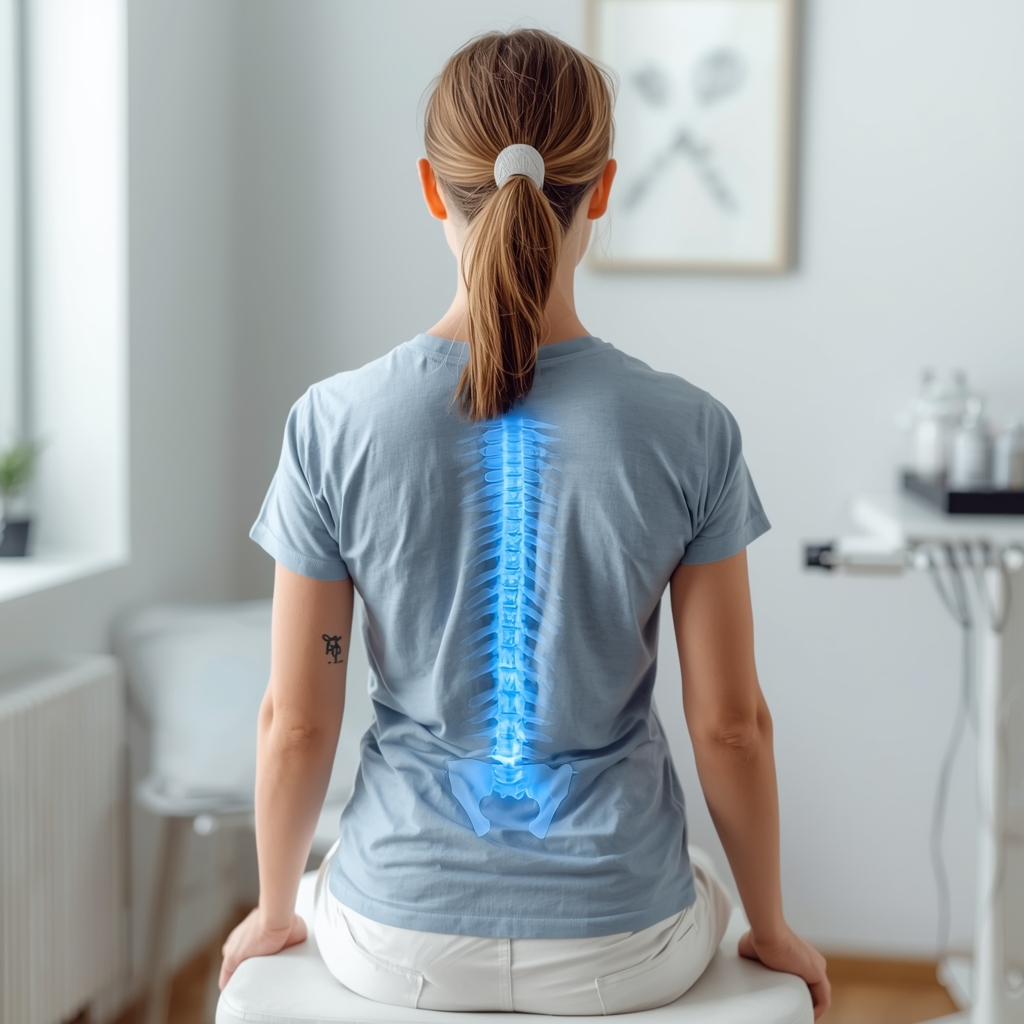
Understanding Scoliosis in Adolescents
Scoliosis is a condition characterized by an abnormal sideways curvature of the spine, often diagnosed during adolescence. While mild cases may require only observation, progressive scoliosis can lead to significant spinal deformity and health complications if left unmanaged. Early detection and intervention are critical, as the spine is still developing during these years. Chiropractic care plays a supportive role in monitoring this progression, focusing on maintaining spinal alignment and function. By regularly assessing posture, range of motion, and spinal curvature, chiropractors help track changes over time. This proactive approach allows for timely adjustments to care plans, potentially delaying or avoiding the need for surgical intervention. Understanding the unique challenges of adolescent scoliosis is essential for families seeking non-surgical options to support their child’s musculoskeletal health.
Chiropractic Care as a Monitoring Tool
Chiropractors use a combination of physical exams, patient history, and imaging (when appropriate) to monitor scoliosis progression. Regular check-ups enable practitioners to detect subtle changes in spinal curvature, muscle tension, or postural imbalances that might signal worsening conditions. While chiropractic care does not correct scoliosis, it provides a framework for ongoing assessment, helping families and medical teams make informed decisions about treatment. Techniques such as palpation, gait analysis, and functional movement testing are commonly employed to evaluate spinal health. These evaluations are non-invasive and focus on the body’s natural ability to adapt. By maintaining open communication with orthopedic specialists, chiropractors ensure a collaborative approach to managing scoliosis. This monitoring role is particularly valuable for adolescents, whose growing bodies require dynamic and responsive care strategies.
Non-Surgical Interventions for Scoliosis Management
Chiropractic care emphasizes non-surgical methods to support spinal health in adolescents with scoliosis. Spinal adjustments may help alleviate pain and improve mobility by addressing misalignments that contribute to discomfort. Additionally, chiropractors often incorporate soft tissue therapies, such as myofascial release, to reduce muscle tension around the spine. These interventions aim to enhance the body’s natural healing processes rather than directly altering spinal curvature. Complementary strategies, like corrective exercises and posture training, are frequently recommended to strengthen core muscles and improve alignment. While these approaches do not reverse scoliosis, they can reduce symptoms and improve quality of life. It is important to note that chiropractic care is most effective when integrated with other treatments, such as bracing or physical therapy, under the guidance of a multidisciplinary healthcare team. Families should consult qualified professionals to determine the best combination of therapies for their child’s specific needs.
Integrating Chiropractic with Other Therapies
For adolescents with progressive scoliosis, a holistic approach often involves combining chiropractic care with other therapeutic modalities. Physical therapy, for instance, focuses on strengthening muscles and improving flexibility, which can complement chiropractic adjustments. Bracing is another common intervention for moderate curves, and chiropractors may work alongside orthopedic specialists to ensure the brace fits properly and does not interfere with spinal function. In some cases, corrective exercises prescribed by a chiropractor can enhance the effectiveness of bracing by promoting better posture and muscle balance. This integrative model prioritizes the patient’s overall well-being, addressing both structural and functional aspects of scoliosis. Chiropractors also emphasize patient education, empowering families to make informed decisions about their child’s care. By fostering collaboration between different healthcare providers, this approach maximizes the potential for positive outcomes while minimizing the risk of complications.
When to Consider Surgical Intervention
Surgical intervention for scoliosis is typically considered when the spinal curvature exceeds a certain threshold or when non-surgical methods fail to prevent progression. Chiropractic care does not replace the need for surgery in severe cases but can play a role in preparing patients for or recovering from the procedure. Before surgery, chiropractors may focus on optimizing spinal function and reducing pain to improve the patient’s overall condition. Post-surgery, they can support rehabilitation by addressing residual musculoskeletal imbalances and promoting mobility. However, the decision to proceed with surgery should always be made in consultation with an orthopedic specialist. Chiropractors provide valuable insights into the patient’s baseline health and progress, which can inform surgical planning. It is crucial for families to understand that while chiropractic care can enhance quality of life, it is not a substitute for medical treatments when surgery is necessary. Open dialogue between all healthcare providers ensures the best possible outcomes for adolescents with scoliosis.
The Importance of Regular Follow-Ups
Regular follow-ups are essential for adolescents with scoliosis, whether they are undergoing chiropractic care or other treatments. These visits allow healthcare providers to track changes in spinal curvature, assess the effectiveness of interventions, and make necessary adjustments to the care plan. Chiropractors play a key role in this process by maintaining detailed records of each patient’s progress and communicating with other medical professionals as needed. For families, consistent monitoring provides peace of mind and ensures that any signs of worsening scoliosis are addressed promptly. Follow-ups also offer opportunities to discuss lifestyle factors, such as exercise habits or posture, that may influence spinal health. By fostering a long-term relationship with their chiropractor, patients and families can navigate the challenges of scoliosis with greater confidence. This ongoing support is vital for maintaining optimal spinal function and reducing the risk of complications as the child grows.













