
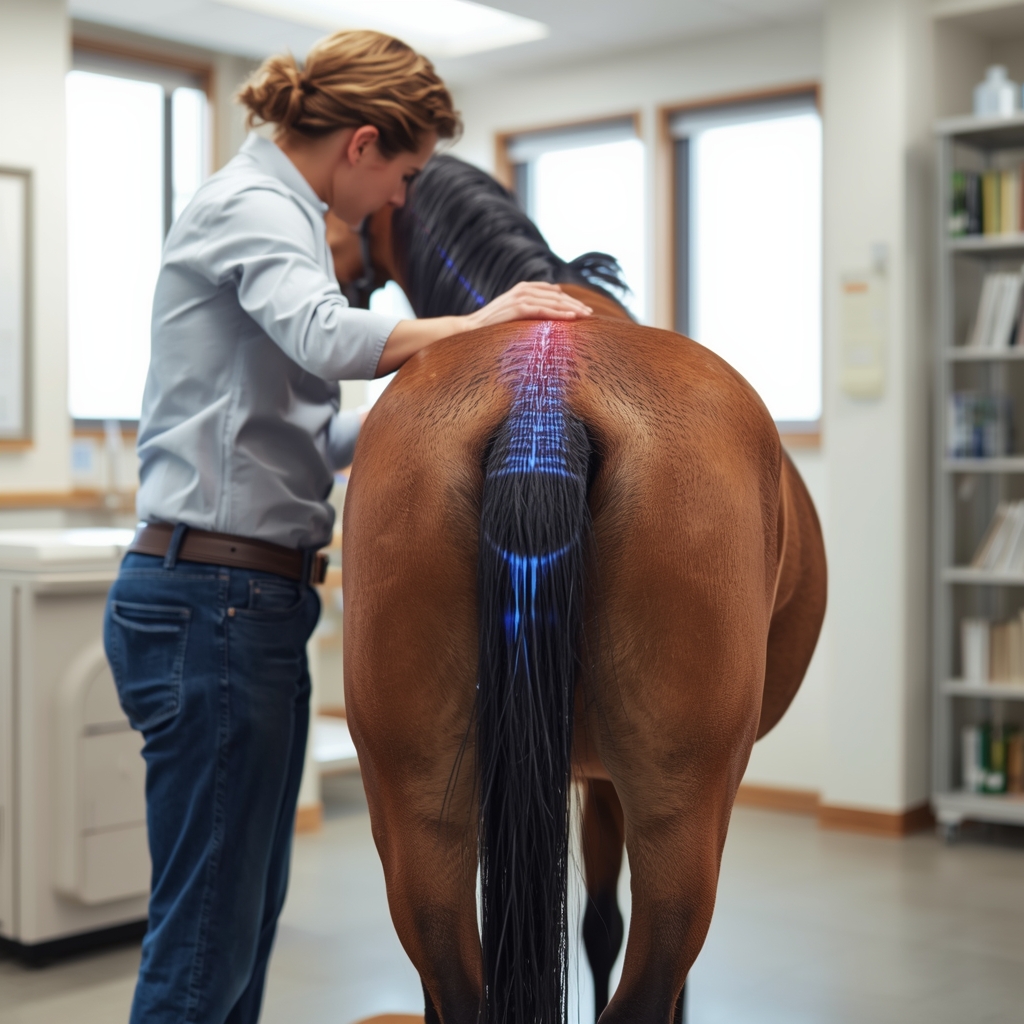
Understanding Spinal Misalignments in Performance Horses
Spinal misalignments, or subluxations, can significantly impact a horse’s performance and overall well-being. These issues often arise from physical stress, repetitive movements, or trauma, particularly in athletic horses used for racing, jumping, or endurance activities. The spine’s alignment affects nerve function, muscle coordination, and joint mobility, making it critical to address promptly. While traditional veterinary care focuses on musculoskeletal and internal health, chiropractic care offers a complementary approach by targeting spinal mechanics. Proper alignment can enhance range of motion, reduce pain, and support the horse’s natural healing processes. However, not all adjustments are suitable for every horse, and the goal is to identify techniques that are both safe and effective for performance-related injuries. This article explores the principles of equine chiropractic care and highlights methods that align with best practices for restoring spinal function in active horses.
Safe Chiropractic Adjustments for Equine Patients
Chiropractic adjustments for horses are performed by licensed professionals trained in animal-specific techniques. These adjustments focus on restoring proper joint mobility and nervous system function without invasive procedures. Common methods include manual manipulation, mobilization, and the use of specialized tools designed for equine anatomy. Safety is paramount, as improper techniques could exacerbate injuries or cause discomfort. Qualified practitioners assess each horse’s condition through physical exams and may collaborate with veterinarians to ensure compatibility with other treatments. For performance horses, adjustments are tailored to their activity level and injury history, prioritizing gentle, precise movements. The goal is to alleviate pressure on nerves and muscles, improve posture, and enhance athletic performance. Regular evaluations help monitor progress and adjust care plans as needed, ensuring long-term benefits without risks.
Techniques Used in Equine Chiropractic Care
Equine chiropractors employ a variety of techniques to address spinal misalignments, each suited to the horse’s unique needs. Manual adjustments involve the practitioner using hands or specialized instruments to apply controlled force to specific joints, restoring alignment. Mobilization techniques focus on gentle, repetitive movements to improve flexibility and reduce stiffness. Some practitioners use drop-table methods or activator tools, which provide targeted adjustments with minimal force. These approaches are often combined with soft tissue therapies, such as myofascial release, to address muscle tension that may contribute to spinal issues. For performance horses, techniques are adapted to avoid disrupting their training schedules while maximizing recovery. The choice of method depends on the horse’s condition, the severity of the misalignment, and the practitioner’s expertise. Consistency and communication between the chiropractor and the horse’s caretaker are essential to achieving optimal results and maintaining the animal’s comfort throughout the process.
Evidence Supporting Chiropractic Efficacy in Horses
While research on equine chiropractic care is still evolving, many practitioners and horse owners report positive outcomes from regular adjustments. Studies suggest that proper spinal alignment can improve nerve function, reduce inflammation, and enhance musculoskeletal efficiency, which are critical for performance horses. Some anecdotal evidence highlights improved gait, flexibility, and overall comfort following chiropractic sessions. However, it is important to note that results vary based on the horse’s individual condition, the skill of the practitioner, and the consistency of care. Professional organizations and veterinary associations often emphasize the need for further research to establish standardized protocols and validate long-term benefits. Despite this, many equine athletes and their handlers view chiropractic care as a valuable component of a holistic health strategy. When considering adjustments, horse owners should prioritize certified professionals who can provide transparent communication about expected outcomes and potential risks.
Combining Chiropractic with Other Therapies
Chiropractic care for horses is most effective when integrated with other therapeutic approaches. Physical therapy, acupuncture, and massage can complement adjustments by addressing muscle imbalances, improving circulation, and promoting relaxation. For performance-related injuries, a multidisciplinary strategy ensures that all contributing factors are addressed, from joint mobility to soft tissue health. Nutrition and exercise programs also play a role in supporting spinal health, as proper diet and conditioning can reduce the risk of future misalignments. Horse owners should work closely with their chiropractor and veterinarian to develop a coordinated care plan that aligns with the animal’s specific needs. Regular assessments help track progress and make necessary adjustments to the treatment strategy. This collaborative approach not only enhances the effectiveness of chiropractic interventions but also fosters a comprehensive framework for maintaining the horse’s peak performance and longevity.
Ensuring Safety and Professional Guidance
When seeking chiropractic care for a performance horse, it is crucial to consult a qualified practitioner with experience in equine care. Certification and ongoing education in animal chiropractic ensure that the professional adheres to established safety standards. Before starting treatment, a thorough health assessment helps identify any contraindications, such as fractures or severe degenerative conditions, that may require alternative interventions. Horse owners should also communicate openly with their veterinarian to ensure chiropractic care aligns with other medical treatments. Regular follow-ups allow the practitioner to monitor the horse’s response to adjustments and make necessary modifications. Safety also involves recognizing signs of discomfort or adverse reactions, which should be reported immediately. By prioritizing professional guidance and maintaining a proactive approach to spinal health, horse owners can support their animals’ well-being and performance while minimizing risks associated with improper care.













