
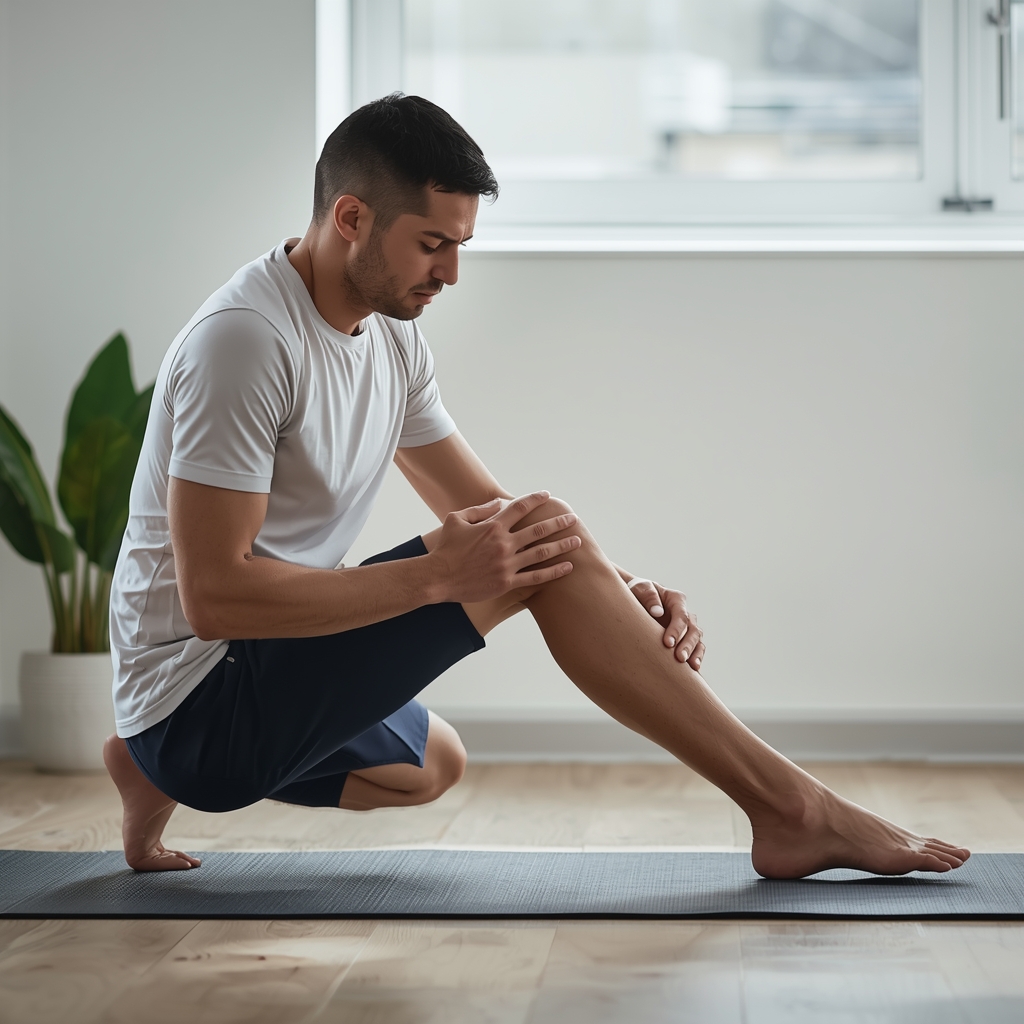
Understanding Patellar Pain in Athletes with Osteoarthritis
Patellar pain, often referred to as kneecap pain, is a common issue among athletes, particularly those with osteoarthritis. This condition involves the degeneration of cartilage in the knee joint, leading to discomfort, stiffness, and reduced mobility. Athletes, who frequently subject their knees to high-impact activities, may experience exacerbated symptoms due to repetitive stress on the patellofemoral joint. While osteoarthritis is typically associated with aging, athletes can develop it earlier due to injury or overuse. Managing this pain requires targeted approaches that address both the structural and functional aspects of the knee. Joint mobilization techniques are often explored as non-invasive options to alleviate discomfort and improve joint function. However, the effectiveness of these techniques can vary, making it essential to understand which methods are most suitable for this specific population.
What Are Joint Mobilization Techniques?
Joint mobilization techniques involve controlled, passive movements of a joint to improve range of motion, reduce pain, and restore normal function. These techniques are typically performed by a trained professional, such as a chiropractor or physical therapist, who applies specific forces to the joint surfaces. Unlike high-velocity adjustments, mobilization focuses on gentle, repetitive motions to encourage joint flexibility and reduce stiffness. For athletes with patellar pain, these techniques aim to address misalignments or restrictions in the patellofemoral joint, which can contribute to discomfort. By improving joint mechanics, mobilization may help alleviate pressure on the patella and surrounding tissues. However, the exact methods and their outcomes can vary based on the practitioner’s approach and the individual’s condition. It is crucial to consult a qualified provider to determine the most appropriate strategy for each case.
Common Joint Mobilization Techniques for Patellar Pain
Several joint mobilization techniques are frequently used to address patellar pain, including soft tissue therapy, manual manipulation, and instrument-assisted methods. Soft tissue therapy, such as Active Release Technique (ART), targets adhesions and tightness in the muscles and tendons around the knee, which can indirectly affect patellar alignment. The Graston Technique, which uses specialized tools to break down scar tissue, may also be employed to improve mobility. Manual mobilization involves the therapist applying slow, controlled movements to the patella to restore its natural tracking. Additionally, techniques like joint repositioning and neuromuscular re-education can help stabilize the knee and reduce pain. While these methods are widely used, their effectiveness for athletes with osteoarthritis requires further exploration. Practitioners often combine mobilization with other interventions, such as strengthening exercises, to achieve optimal results.
How Mobilization Techniques Address Patellar Mechanics
Patellar pain in athletes with osteoarthritis often stems from altered joint mechanics, such as malalignment or uneven pressure distribution. Mobilization techniques aim to correct these issues by restoring proper patellar tracking and reducing friction within the joint. For example, manual mobilizations can help realign the patella, ensuring it moves smoothly within the femoral groove. This can decrease irritation of the surrounding cartilage and soft tissues, which are already compromised by osteoarthritis. Additionally, mobilization may enhance joint fluid circulation, promoting nutrient delivery to the cartilage and reducing inflammation. By addressing both structural and biomechanical factors, these techniques can contribute to long-term pain relief. However, the success of mobilization depends on accurate diagnosis and tailored application, as improper execution may worsen symptoms. Athletes should work closely with their healthcare providers to ensure these methods are used effectively.
Considerations for Athletes and Osteoarthritis
Athletes with osteoarthritis face unique challenges when managing patellar pain, as their active lifestyles demand both pain relief and functional mobility. Joint mobilization techniques must balance therapeutic goals with the need to maintain training regimens. Overly aggressive interventions could risk further joint damage, while insufficient treatment may fail to address underlying issues. A personalized approach is essential, considering factors such as the athlete’s sport, injury history, and overall joint health. Chiropractors often integrate mobilization with other strategies, such as corrective exercises and ergonomic adjustments, to support recovery. Additionally, athletes should be aware that while mobilization can provide symptomatic relief, it may not reverse the progression of osteoarthritis. Regular monitoring and adjustments to the treatment plan are crucial for sustained benefits. Open communication with healthcare providers ensures that mobilization techniques align with the athlete’s specific needs and goals.
Conclusion and Next Steps
Joint mobilization techniques offer a promising approach to managing patellar pain in athletes with osteoarthritis, but their effectiveness depends on proper application and individualized care. While these methods can improve joint mechanics and reduce discomfort, they are most successful when combined with other therapeutic strategies. Athletes should seek guidance from qualified chiropractors or physical therapists to determine the best course of action for their condition. It is also important to recognize that patellar pain may have multiple contributing factors, requiring a comprehensive evaluation. By staying informed and proactive, athletes can make informed decisions about their treatment options. Ultimately, a collaborative approach between the patient and healthcare provider is key to achieving long-term relief and maintaining an active lifestyle despite osteoarthritis.












