
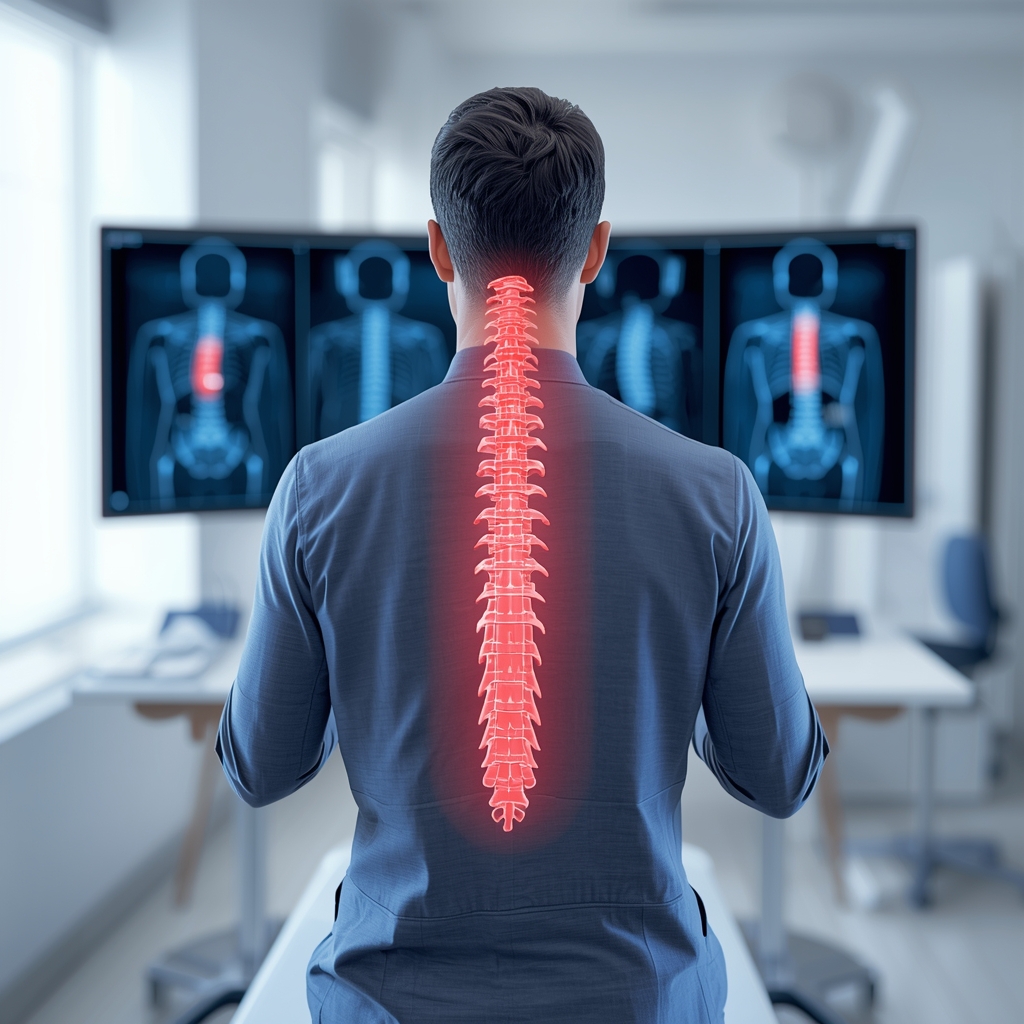
Evolution of Spinal Imaging in Chiropractic Care
Spinal imaging has become a cornerstone of modern chiropractic diagnosis, enabling practitioners to visualize the spine’s structure and function with greater precision. Traditional methods like X-rays have long been used to detect misalignments and degenerative changes, but recent advancements have expanded the toolkit. Techniques such as MRI and CT scans now offer detailed views of soft tissues, discs, and nerves, while emerging technologies like 3D imaging and AI-assisted analysis are reshaping how chiropractors interpret data. These innovations allow for more accurate assessments of spinal conditions, from herniated discs to nerve compression, supporting tailored treatment plans. However, the integration of new imaging tools requires ongoing education to ensure safe and effective use.
Non-Invasive Innovations in Spinal Diagnostics
Recent years have seen a surge in non-invasive imaging technologies that minimize patient exposure to radiation while enhancing diagnostic clarity. Ultrasound, for instance, is increasingly used to evaluate soft tissues and dynamic spinal movements in real time. Portable devices now allow chiropractors to perform preliminary scans during office visits, reducing the need for referrals to external facilities. Additionally, advancements in magnetic resonance imaging (MRI) have improved resolution and speed, making it easier to detect subtle abnormalities. These tools empower chiropractors to monitor treatment progress and adjust care strategies accordingly. While these technologies are not a replacement for clinical examination, they complement traditional methods, offering a more comprehensive understanding of spinal health.
Artificial Intelligence and Data Analysis
Artificial intelligence (AI) is beginning to influence spinal imaging by automating data interpretation and identifying patterns that may be overlooked by the human eye. AI algorithms can analyze MRI or CT scans to detect early signs of disc degeneration, spinal stenosis, or nerve impingement, potentially improving diagnostic accuracy. Some systems also generate predictive models to forecast how a patient’s condition might evolve without intervention. While AI remains a supportive tool rather than a replacement for chiropractic expertise, its integration highlights the growing intersection of technology and healthcare. Chiropractors must stay informed about these developments to leverage them responsibly while maintaining a patient-centered approach.
Enhancing Patient Outcomes Through Advanced Imaging
Advanced spinal imaging techniques contribute to more precise diagnoses, which in turn lead to better treatment outcomes. By visualizing the spine in greater detail, chiropractors can identify the root causes of pain or dysfunction, such as muscle imbalances or subtle misalignments. This level of insight allows for targeted interventions, whether through adjustments, rehabilitative exercises, or referrals for further care. Patients benefit from faster, more accurate assessments, reducing the risk of unnecessary treatments. Moreover, imaging can track progress over time, helping both practitioners and patients understand the effectiveness of care. As these technologies evolve, their role in personalized, evidence-based chiropractic care will likely expand.
Challenges and Considerations in Adoption
Despite their benefits, adopting new spinal imaging technologies presents challenges. Costs associated with advanced equipment and training can be prohibitive for some practices. Additionally, interpreting complex images requires specialized knowledge, necessitating ongoing education. There is also the risk of over-reliance on technology, which could overshadow the importance of physical exams and patient history. Ethical considerations, such as data privacy and the potential for unnecessary testing, must also be addressed. Chiropractors must balance technological advancements with clinical judgment, ensuring that imaging is used judiciously to enhance, not replace, traditional diagnostic methods.
The Future of Spinal Imaging in Chiropractic Practice
The future of spinal imaging in chiropractic care holds promise for even greater precision and accessibility. Innovations like real-time 3D imaging and wearable sensors may soon provide dynamic insights into spinal function during movement. Research into biomarkers and imaging biomarkers could further refine diagnostic criteria, enabling earlier interventions. As these technologies mature, their integration into routine practice will depend on continued research, regulatory approval, and practitioner training. Chiropractors who stay informed about these developments will be better equipped to offer cutting-edge care. Ultimately, the goal remains the same: to improve patient outcomes through accurate diagnosis and personalized treatment strategies.













