
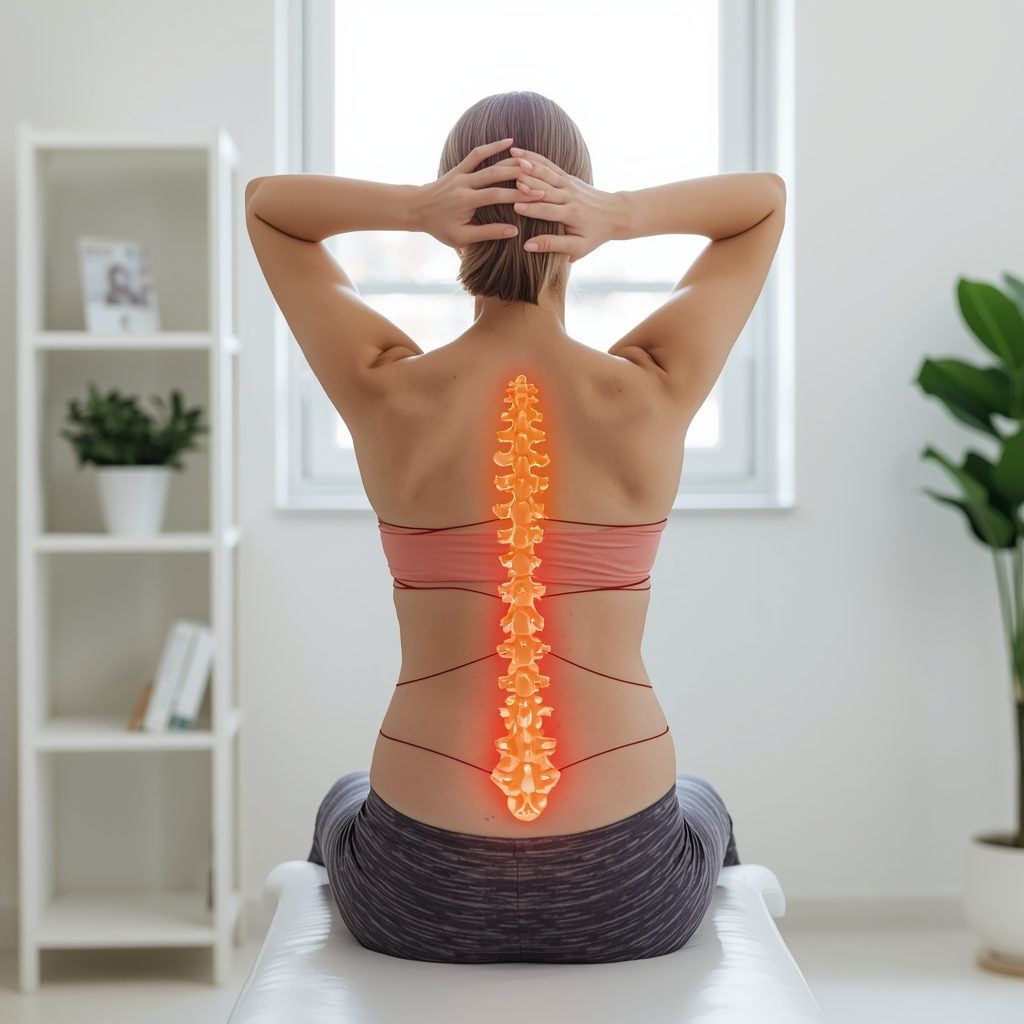
Understanding Sciatica During the Third Trimester
Sciatica, characterized by pain radiating along the sciatic nerve, is common in late pregnancy due to increased pressure on the lower back and pelvis. Hormonal changes and the growing uterus can exacerbate nerve compression, leading to discomfort. While many expectant mothers experience relief through conservative methods, chiropractic care offers targeted support. It’s important to recognize that sciatica during this stage requires careful management to ensure both maternal and fetal well-being. A qualified chiropractor can assess individual needs and develop a plan that prioritizes safety. This article explores techniques that are generally considered safe and effective, emphasizing the importance of professional guidance. Always consult a healthcare provider before pursuing any treatment during pregnancy.
Safe Spinal Adjustment Techniques
Chiropractors often use gentle, modified spinal adjustments to alleviate sciatica during the third trimester. Techniques like the Webster Technique focus on balancing the pelvis and reducing pressure on the sciatic nerve. These adjustments are typically performed with the patient lying on their side or using a specially designed pregnancy table to avoid direct pressure on the abdomen. The goal is to restore proper alignment and improve nerve function without compromising the mother’s comfort. It’s crucial to seek a chiropractor with experience in prenatal care, as they understand the unique considerations of late pregnancy. While adjustments are generally safe, they should never be forced or overly aggressive. Patients should communicate openly with their provider to ensure the approach aligns with their specific condition and stage of pregnancy.
Pelvic Alignment and Support
Pelvic misalignment can contribute to sciatic pain by compressing nerves and altering weight distribution. Chiropractors may employ pelvic blocking or sacroiliac joint adjustments to restore balance and reduce discomfort. These methods aim to relieve pressure on the sciatic nerve while supporting the changing structure of the pelvis. In addition to manual techniques, soft tissue therapies like myofascial release can address muscle tension around the hips and lower back. Patients may also benefit from posture education and exercises to maintain alignment between visits. It’s essential to avoid techniques that involve twisting or high-velocity maneuvers, which could pose risks during pregnancy. A personalized plan, developed in collaboration with a chiropractor, ensures both safety and effectiveness for managing sciatica.
Considerations for Third-Trimester Care
As the body undergoes significant changes in the third trimester, chiropractic care must adapt to accommodate the growing uterus and shifting center of gravity. Chiropractors often modify their approach by using supportive cushions or adjusting the patient’s position to prevent strain. Techniques that focus on the lumbar spine and sacroiliac joints are typically prioritized, as these areas are most affected by sciatica. Patients should inform their provider of any pre-existing conditions or complications, such as placenta previa or preeclampsia, which may influence treatment options. Regular communication with both the chiropractor and obstetrician ensures that care remains aligned with the mother’s health needs. While chiropractic adjustments are generally safe, they should complement, not replace, other medical recommendations during pregnancy.
When to Seek Professional Help
If sciatic pain becomes severe, persistent, or accompanied by numbness, tingling, or weakness, it’s important to consult a healthcare provider promptly. These symptoms could indicate a more serious underlying issue that requires medical evaluation. Chiropractors can work alongside obstetricians to address sciatica safely, but they are not a substitute for emergency care. Patients should avoid self-treatment methods, such as untrained manual manipulations or excessive stretching, which could worsen discomfort. A qualified chiropractor can differentiate between typical pregnancy-related sciatica and other conditions, ensuring appropriate care. Regular check-ins with a healthcare team help monitor progress and adjust strategies as needed. Prioritizing professional guidance ensures the best outcomes for both mother and baby during this critical time.
Conclusion: Balancing Safety and Relief
Managing sciatica during the third trimester requires a thoughtful, individualized approach that prioritizes safety and comfort. Chiropractic care offers valuable tools for alleviating nerve compression and improving mobility, but it must be tailored to the unique needs of late pregnancy. Techniques like pelvic alignment, gentle adjustments, and soft tissue work can provide relief when performed by a qualified practitioner. Patients should remain proactive in communicating their symptoms and concerns to ensure their care plan evolves with their changing body. While chiropractic interventions are generally safe, they should always be part of a broader healthcare strategy. By working closely with a chiropractor and other medical professionals, expectant mothers can find effective, safe ways to manage sciatica and support a healthier pregnancy journey.















