
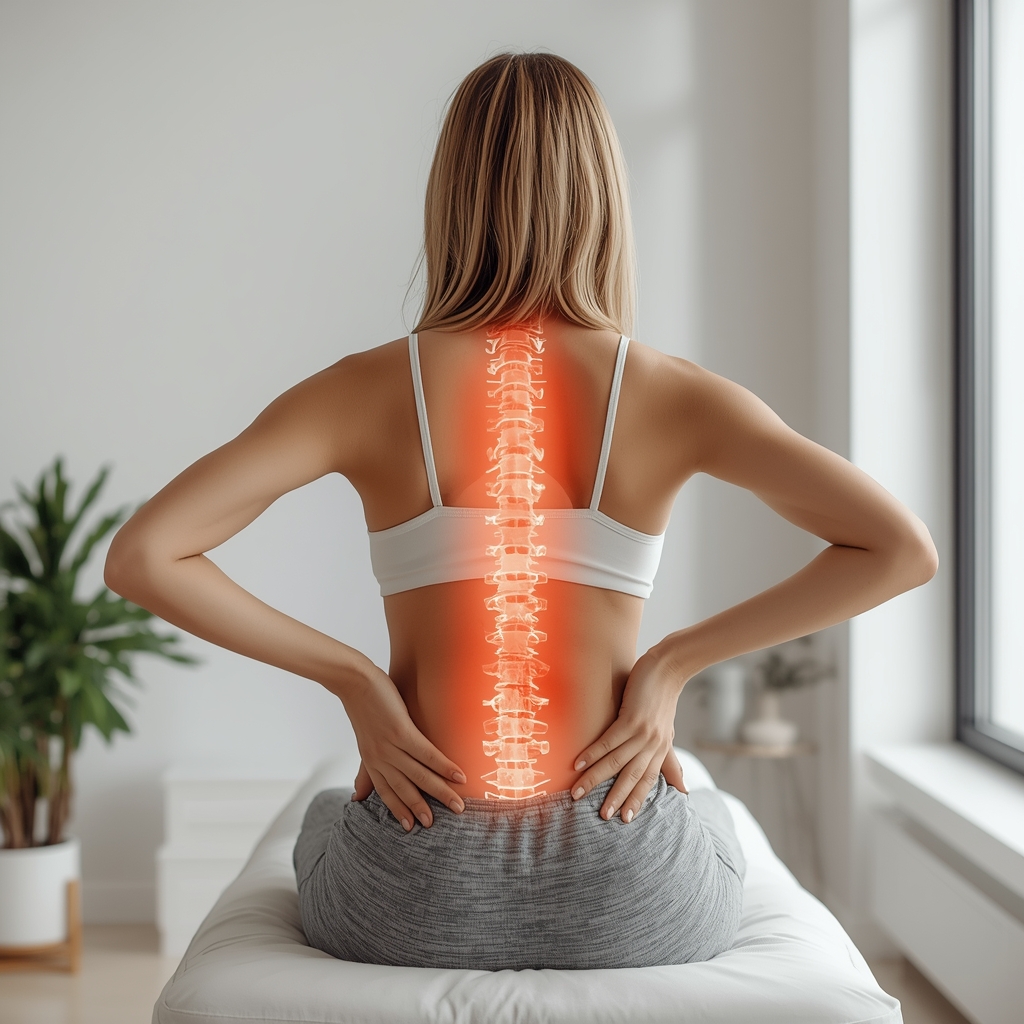
Understanding Sciatica During the Third Trimester
Sciatica, characterized by pain radiating along the sciatic nerve, affects many pregnant individuals, particularly in the third trimester. As the uterus expands, it can press on the sciatic nerve, causing discomfort in the lower back, hips, and legs. This condition often worsens with prolonged sitting or standing and may interfere with daily activities. While common, it’s important to address sciatica during pregnancy with care, as traditional pain medications may not be advisable. Chiropractic care offers a non-invasive approach to managing this discomfort, focusing on alignment and nerve function without medication.
How Chiropractic Adjustments May Help
Chiropractic adjustments aim to realign the spine and pelvis, potentially reducing pressure on the sciatic nerve. By improving spinal mechanics, these adjustments may alleviate pain and enhance mobility. During pregnancy, the body undergoes significant changes, and a chiropractor can use specialized techniques to accommodate the growing belly and ensure comfort. While research on pregnancy-specific chiropractic care is limited, general consensus supports its safety and efficacy for musculoskeletal issues. It’s crucial to consult a qualified chiropractor with experience in prenatal care to tailor adjustments to individual needs.
Safety Considerations for Prenatal Chiropractic Care
Chiropractic care during pregnancy is generally considered safe when performed by a licensed professional trained in prenatal techniques. These practitioners use modified positions and gentle methods to avoid discomfort or risk. For example, adjustments may focus on the pelvis and lower back while avoiding direct pressure on the abdomen. However, certain conditions—such as placenta previa or severe preeclampsia—may require caution. Always disclose your full medical history to your chiropractor to ensure the safest approach. Regular communication with your obstetrician is also recommended to coordinate care and address any concerns.
Techniques Used for Sciatica Relief
Chiropractors may employ various techniques to address sciatica during pregnancy, including spinal adjustments, soft tissue therapy, and pelvic alignment. The Webster Technique, often used in prenatal care, focuses on balancing the pelvis to reduce nerve pressure and improve fetal positioning. Additionally, traction or mobilization may help relieve nerve compression. These methods are typically gentle, prioritizing comfort and safety. Patients often report reduced pain and improved posture after sessions. However, results vary, and it’s essential to work with a provider who can adapt techniques to your stage of pregnancy and specific symptoms.
Benefits of Non-Invasive Pain Management
Chiropractic adjustments offer a drug-free alternative for managing sciatica, which is particularly appealing during pregnancy. By addressing structural imbalances, this approach may reduce reliance on medications that could affect the developing baby. Many individuals find that regular adjustments improve their overall comfort, allowing for better sleep and daily functioning. Additionally, chiropractic care may support the body’s natural ability to adapt to pregnancy-related changes. While not a cure, it can complement other strategies like gentle exercise or ergonomic adjustments. Always discuss any new treatment with your healthcare team to ensure it aligns with your care plan.
When to Seek Professional Guidance
If sciatica becomes severe or persistent, consulting a chiropractor can provide targeted relief. A qualified provider can assess your condition and develop a personalized care plan. It’s also important to rule out other causes of pain, such as herniated discs or infections, through proper medical evaluation. Chiropractic care should never replace necessary medical treatments but can serve as a supportive option. For the third trimester, regular check-ins with both your chiropractor and obstetrician ensure your care remains safe and effective. Open dialogue with healthcare professionals helps navigate this stage of pregnancy with greater confidence and comfort.











