
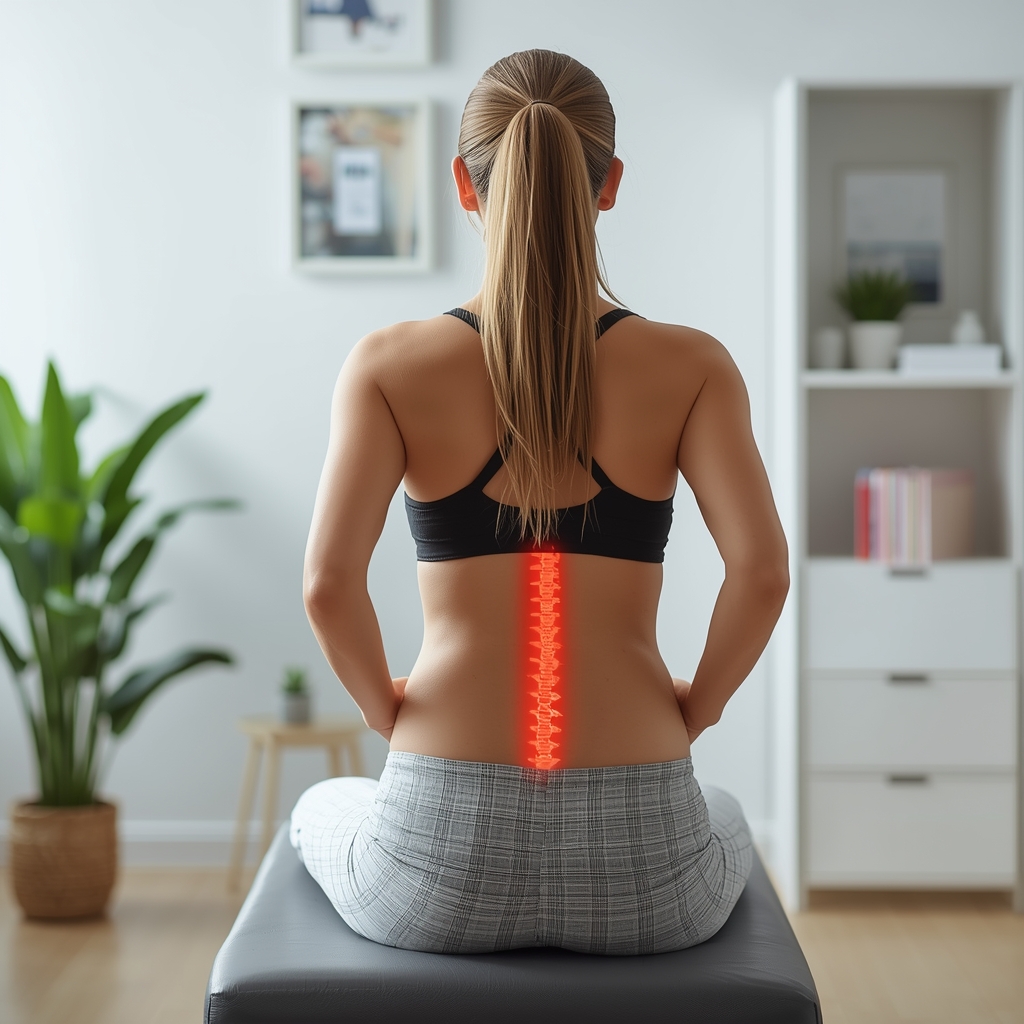
Understanding Sciatica in the Third Trimester
Sciatica, characterized by pain radiating along the sciatic nerve, affects many pregnant individuals, especially in the third trimester. The growing uterus can compress the nerve, while hormonal changes relax ligaments, increasing spinal pressure. This combination often leads to lower back, hip, or leg pain. While common, sciatica during pregnancy requires careful management to avoid complications. Chiropractic care and targeted exercises may offer relief by addressing structural imbalances and reducing nerve irritation. However, solutions should be tailored to the individual’s needs and guided by healthcare professionals to ensure safety for both mother and baby.
Chiropractic Adjustments for Sciatica Relief
Chiropractic adjustments can help alleviate sciatica by realigning the spine and reducing pressure on the sciatic nerve. Techniques like the Webster Technique, designed for pregnant individuals, focus on balancing pelvic muscles and ligaments to ease nerve compression. Gentle adjustments may also improve posture and mobility, which are often compromised during pregnancy. Research suggests that spinal manipulation is generally safe during pregnancy when performed by a qualified provider. However, it’s crucial to communicate with a chiropractor about the pregnancy’s stage and any specific concerns to ensure adjustments are tailored to the individual’s comfort and safety.
Prenatal Exercises to Alleviate Sciatica
Low-impact prenatal exercises can complement chiropractic care by strengthening core and back muscles, improving posture, and reducing sciatic nerve pressure. Gentle stretches like pelvic tilts, cat-cow poses, and hamstring stretches may ease discomfort by promoting flexibility and circulation. Walking, swimming, or prenatal yoga can also support spinal health without excessive strain. These exercises should be performed under the guidance of a healthcare provider or certified prenatal instructor to avoid overexertion. While exercise alone may not resolve sciatica, it can enhance overall well-being and reduce the frequency of pain episodes when combined with other therapies.
Combining Adjustments and Exercises for Optimal Results
A holistic approach that integrates chiropractic adjustments with prenatal exercises often yields the best outcomes for sciatica relief. Adjustments address structural misalignments, while targeted exercises strengthen supporting muscles and improve mobility. For example, a chiropractor might recommend specific stretches to perform at home following an adjustment, enhancing nerve decompression. This combined strategy can also reduce reliance on medication, which is often a concern during pregnancy. However, consistency and communication with healthcare providers are key to ensuring these methods align with the individual’s unique needs and pregnancy progress.
Safety and Considerations for Prenatal Care
When addressing sciatica during pregnancy, safety is paramount. Chiropractors specializing in prenatal care use modified techniques to accommodate the changing body, avoiding high-impact maneuvers. Patients should disclose any pre-existing conditions, such as placenta previa or preeclampsia, to ensure treatments are safe. Similarly, prenatal exercises must be approved by a healthcare provider to prevent strain or injury. Regular check-ins with both a chiropractor and obstetrician help monitor progress and adjust strategies as needed. By prioritizing safety and professional guidance, individuals can manage sciatica effectively without compromising their health or the baby’s.
Consulting a Qualified Provider for Personalized Care
Every pregnancy is unique, and sciatica relief strategies should reflect individual needs. A chiropractor experienced in prenatal care can assess the spine, identify contributing factors, and create a tailored plan. This may include adjustments, exercise recommendations, or referrals to other specialists. It’s also important to coordinate care with an obstetrician to ensure all interventions align with the pregnancy’s progression. While general advice can be helpful, personalized guidance from qualified professionals is essential for safe and effective sciatica management during the third trimester.











