
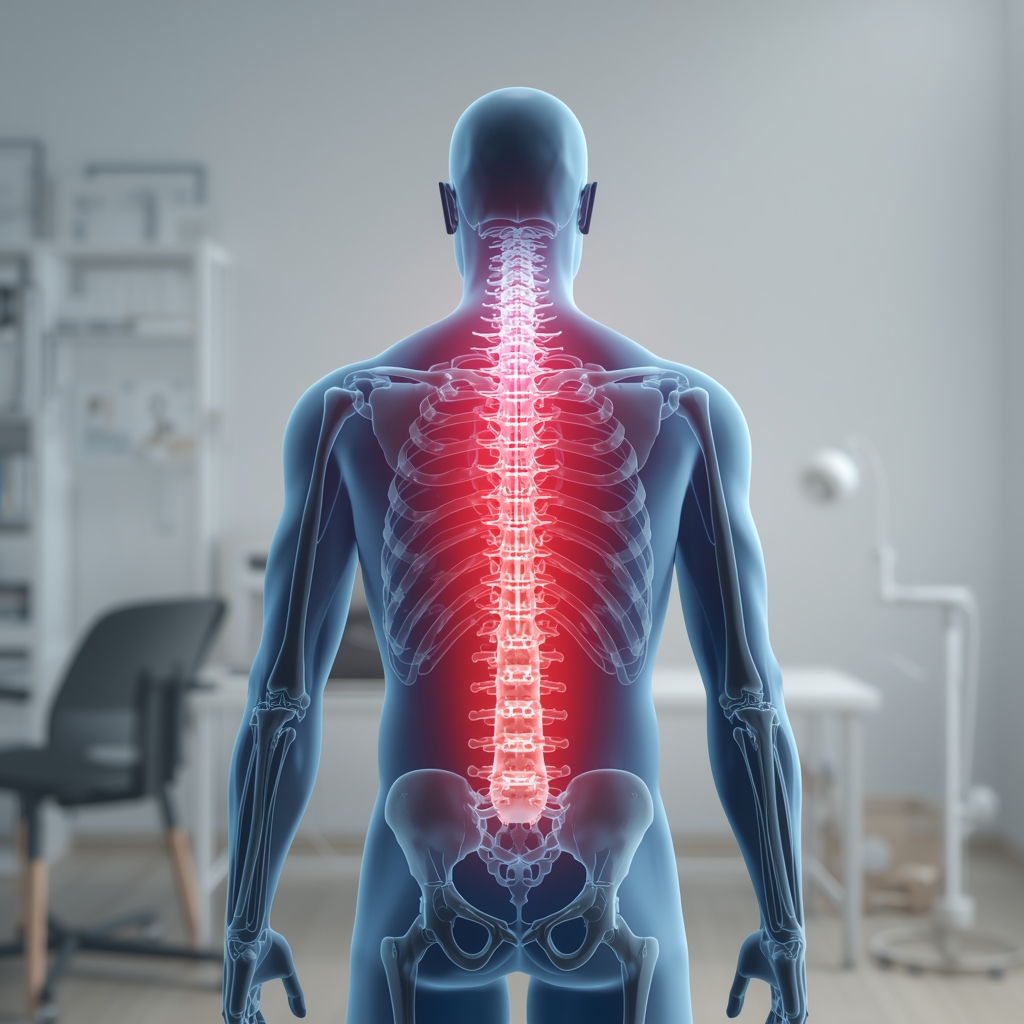
Understanding Chronic Joint Pain and Opioid-Free Options
Chronic joint pain, often linked to conditions like arthritis, affects millions, prompting a search for non-opioid solutions. While medications remain common, their risks—including addiction—have driven interest in alternative approaches. Chiropractic care offers a drug-free pathway, focusing on musculoskeletal health. By addressing joint dysfunction and nerve interference, chiropractors aim to reduce pain and improve mobility. This method aligns with broader efforts to minimize pharmaceutical reliance, emphasizing holistic, patient-centered strategies. Understanding these options requires examining evidence-based practices that prioritize safety and long-term wellness.
Spinal Adjustments and Joint Realignment
Spinal adjustments, a cornerstone of chiropractic care, involve manual manipulations to correct misalignments. These techniques may alleviate joint pain by restoring proper biomechanics and reducing nerve pressure. Research suggests that adjustments can improve function and decrease discomfort in conditions like osteoarthritis. While not a cure, they often complement other therapies. Patients report reduced pain and increased range of motion, though results vary. Chiropractors tailor adjustments to individual needs, ensuring safety and effectiveness. This approach underscores the body’s capacity for self-regulation, offering a non-invasive alternative to medication for managing chronic joint issues.
Soft Tissue Therapies and Myofascial Release
Soft tissue therapies, such as myofascial release, target muscles and connective tissues to relieve tension around painful joints. These methods can reduce inflammation and improve flexibility, easing discomfort from conditions like rheumatoid arthritis. Techniques like Active Release Technique (ART) address adhesions that restrict movement, enhancing joint function. Studies indicate such therapies may decrease pain and disability in chronic cases. When combined with spinal care, they offer a multi-faceted approach. Patients often experience relief through regular sessions, though consistency is key. These non-invasive strategies highlight the value of addressing both structural and muscular components of joint pain.
Exercise and Rehabilitation Programs
Customized exercise regimens are vital for chronic joint pain management, strengthening muscles and supporting joints. Chiropractors often recommend low-impact activities like swimming or yoga to improve flexibility and reduce stiffness. Strengthening exercises target weak areas, stabilizing joints and preventing further damage. Research shows that regular movement enhances recovery and reduces reliance on pain medications. These programs are tailored to individual capabilities, ensuring safety and gradual progress. By integrating exercise with other chiropractic methods, patients can achieve lasting relief. This approach empowers individuals to take an active role in their health, fostering long-term wellness beyond temporary symptom management.
Complementary Modalities and Integrative Care
Chiropractic care frequently combines with other therapies to enhance outcomes. Modalities like cold laser therapy or electrical stimulation may reduce inflammation and promote healing. Nutritional guidance and stress management techniques also play roles in overall pain reduction. Integrative approaches address multiple factors contributing to chronic pain, offering a comprehensive solution. While evidence varies, many patients find these combinations beneficial. Chiropractors assess individual needs to create personalized plans, ensuring safety and efficacy. This collaborative model reflects a growing trend toward holistic care, prioritizing patient well-being without pharmaceutical intervention.
Consulting a Qualified Chiropractor for Personalized Care
Each patient’s chronic joint pain is unique, requiring tailored strategies. A qualified chiropractor conducts thorough evaluations to identify underlying causes and develop effective plans. Open communication ensures treatments align with individual goals and health status. While evidence supports many chiropractic methods, results depend on proper diagnosis and technique. Patients should seek licensed professionals with experience in joint pain management. Regular follow-ups allow adjustments to the care plan as needed. By working with a trusted provider, individuals can explore safe, evidence-based options to manage pain and improve quality of life without opioids.














