
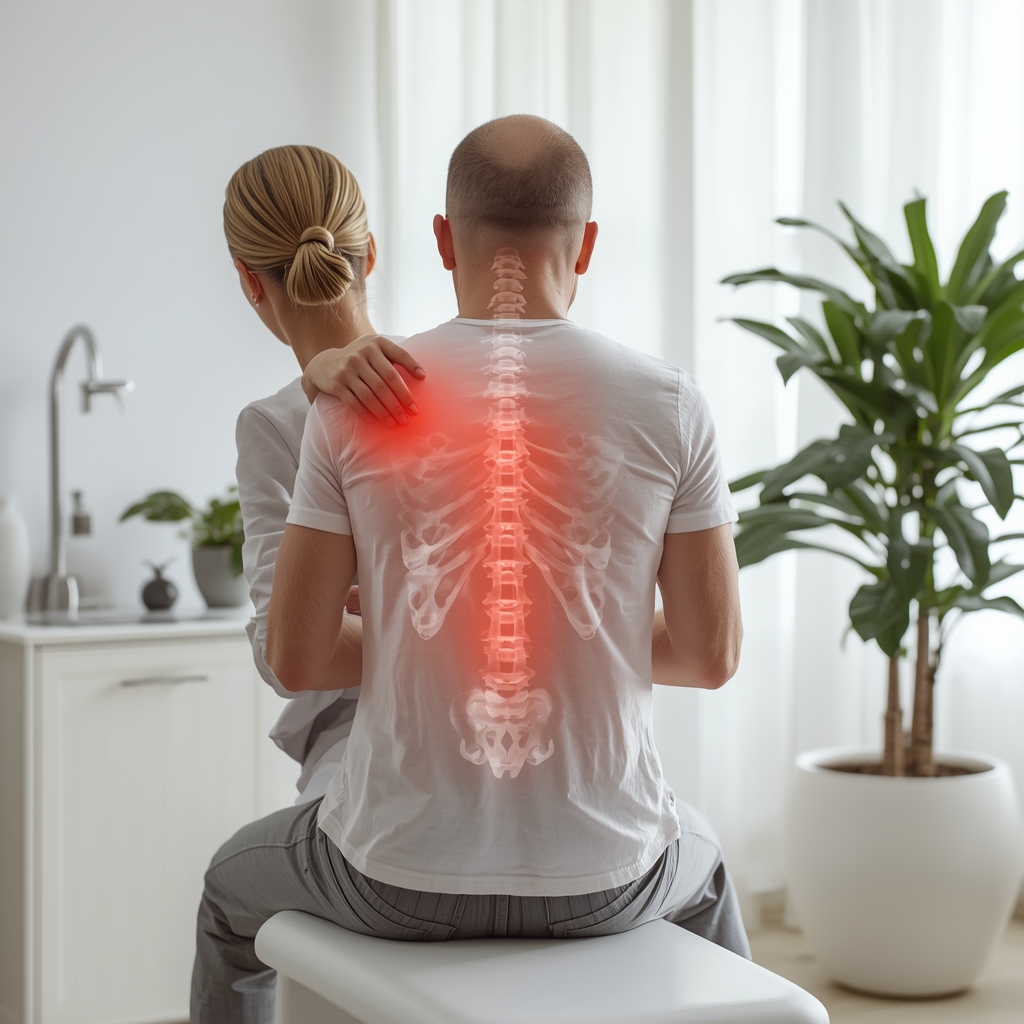
Understanding the Role of Chiropractic Care in Opioid-Alternative Pain Management
For individuals dependent on opioids, exploring non-pharmacological pain relief options is critical to reducing reliance on medications. Chiropractic care offers a drug-free approach by addressing musculoskeletal imbalances and nervous system function. Techniques such as spinal manipulation, soft tissue therapies, and decompression therapy are increasingly recognized as complementary strategies. These methods aim to alleviate pain by improving alignment, reducing inflammation, and enhancing mobility. While not a substitute for medical supervision, chiropractic interventions can support holistic pain management. Patients should consult licensed professionals to determine the most suitable approach for their condition, ensuring safety and effectiveness.
Spinal Manipulation and Adjustments for Pain Relief
Spinal manipulation, a cornerstone of chiropractic care, involves precise adjustments to the spine to correct misalignments (subluxations) that may contribute to pain. By restoring proper joint function, this technique can reduce pressure on nerves and muscles, potentially alleviating chronic pain. For opioid-dependent patients, this approach offers a non-invasive way to manage discomfort without medication. Research suggests that spinal adjustments may improve mobility and decrease pain intensity, though individual responses vary. Practitioners tailor adjustments to each patient’s needs, prioritizing comfort and safety. While not a guaranteed solution, many find spinal manipulation beneficial as part of a broader pain management plan.
Soft Tissue Therapies for Musculoskeletal Pain
Soft tissue therapies, including Active Release Technique (ART) and myofascial release, target muscles, ligaments, and tendons to relieve tension and improve function. These methods address pain caused by muscle tightness, scar tissue, or overuse, which are common in chronic pain conditions. For opioid-dependent patients, reducing muscle-related discomfort can enhance overall well-being and decrease reliance on medication. Techniques like Graston® Instrument-Assisted Soft Tissue Mobilization use specialized tools to break down adhesions, promoting healing. While these therapies are generally safe, they should be performed by trained professionals to avoid injury. Combining soft tissue work with other chiropractic strategies may offer a multifaceted approach to pain relief.
Decompression Therapy for Nerve and Spinal Relief
Spinal decompression therapy uses gentle traction to relieve pressure on spinal discs and nerves, often used for conditions like herniated discs or sciatica. This non-surgical technique can reduce pain by increasing space between vertebrae, allowing herniated material to retract and easing nerve compression. For patients seeking alternatives to opioids, decompression therapy provides a targeted solution for nerve-related discomfort. It is typically part of a broader treatment plan that includes adjustments and lifestyle modifications. While research on its efficacy varies, many patients report improved mobility and reduced pain. As with all chiropractic care, it should be administered by a qualified provider to ensure proper technique and safety.
Integrative Approaches to Chronic Pain Management
Chiropractic care often integrates multiple techniques to address complex pain conditions. For opioid-dependent patients, combining spinal adjustments, soft tissue therapies, and decompression can create a comprehensive strategy. Additional modalities like cold laser therapy or electrical stimulation may also be used to reduce inflammation and promote healing. These approaches work synergistically to improve function and decrease pain without medication. However, success depends on individualized care plans developed by licensed chiropractors. Patients should communicate their goals and concerns to ensure treatments align with their needs. While integrative methods show promise, they are most effective when part of a broader health strategy that includes proper nutrition, exercise, and medical oversight.
Consulting a Chiropractor for Personalized Care
Every patient’s pain experience is unique, requiring tailored chiropractic solutions. A qualified chiropractor will conduct a thorough evaluation to identify the root causes of pain and recommend appropriate techniques. This process may involve imaging, physical exams, and a review of medical history to ensure safe and effective care. For opioid-dependent individuals, open communication with the provider is essential to address concerns and monitor progress. Chiropractic care is not a one-size-fits-all solution, and adjustments may evolve over time based on response and feedback. Patients should seek practitioners who prioritize patient education and collaborate with other healthcare providers when necessary. By working closely with a chiropractor, individuals can explore drug-free options that support long-term pain management and overall wellness.














