
Understanding the Opioid Crisis and Non-Pharmacological Alternatives
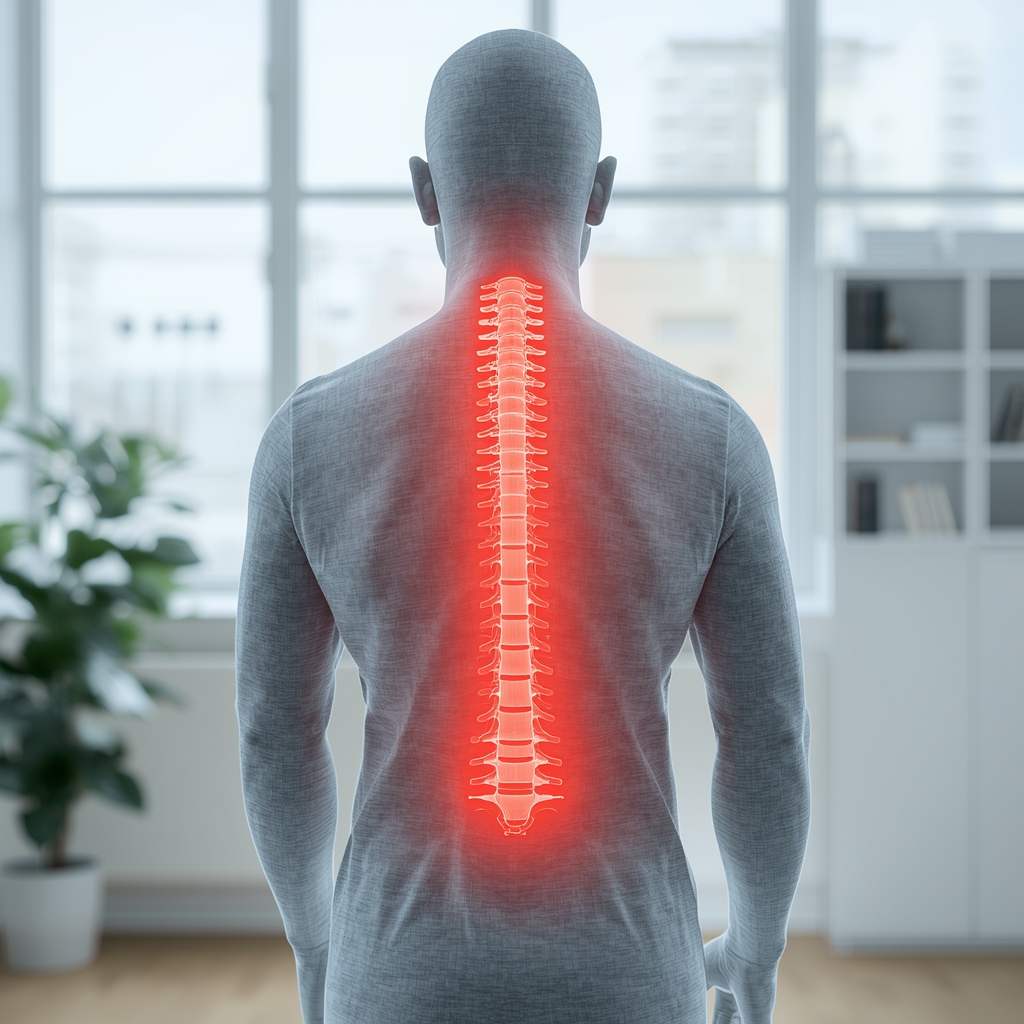
The opioid epidemic has underscored the urgent need for safe, effective alternatives to medication for chronic pain management. Chronic back pain, a leading cause of disability worldwide, often drives reliance on opioids, which carry risks of addiction, tolerance, and side effects. Chiropractic care offers non-invasive, drug-free strategies to address pain by focusing on musculoskeletal and nervous system health. Techniques such as spinal adjustments, soft tissue therapies, and rehabilitative exercises aim to restore function, reduce inflammation, and improve quality of life. These approaches align with growing medical consensus that movement, manual therapy, and holistic care play critical roles in long-term pain relief. By prioritizing the body’s natural healing mechanisms, chiropractic interventions provide a viable complement or alternative to pharmacological treatments, particularly for patients seeking to minimize medication use.
Spinal Manipulation and Adjustments for Back Pain Relief
Spinal manipulation, a cornerstone of chiropractic care, involves precise, controlled forces applied to the spine to correct misalignments (subluxations) and improve joint mobility. For chronic back pain, this technique can alleviate pressure on nerves, reduce inflammation, and restore proper biomechanics. Studies suggest that spinal adjustments may enhance proprioception—the body’s awareness of its position—and modulate pain signals through the central nervous system. By addressing structural imbalances, chiropractors help patients achieve lasting relief without medication. This method is particularly effective for conditions like herniated discs, facet joint dysfunction, and muscle spasms. While results vary, many patients report reduced pain intensity and improved function after regular adjustments. It is important to note that spinal manipulation should be performed by a licensed professional to ensure safety and efficacy, making it a targeted, non-pharmacological option for those seeking alternatives to opioids.
Soft Tissue Therapies: Active Release Technique and Graston
Soft tissue therapies target muscles, ligaments, and tendons to relieve tension, break up scar tissue, and improve circulation—key factors in chronic back pain. Active Release Technique (ART) uses hands-on pressure and movement to release adhesions in soft tissues, restoring flexibility and reducing pain. Graston Technique employs specialized instruments to detect and treat areas of restricted mobility, promoting faster healing. Both methods are effective for conditions like muscle strains, myofascial pain, and repetitive strain injuries. By addressing the root causes of pain rather than just masking symptoms, these therapies complement spinal adjustments and reduce reliance on pain medications. Patients often experience improved range of motion and decreased discomfort after sessions. When integrated with other chiropractic strategies, soft tissue treatments offer a multidimensional approach to pain management, emphasizing the body’s capacity to heal itself without pharmaceutical intervention.
Decompression Therapy for Disc-Related Back Pain
Spinal decompression therapy is a non-surgical option for patients with disc-related back pain, such as herniated or bulging discs. This technique uses mechanical traction to gently stretch the spine, creating negative pressure in the discs to promote rehydration and reduce nerve compression. By alleviating pressure on spinal nerves, decompression therapy can ease radiating pain, numbness, and tingling. It is often used alongside other chiropractic methods to enhance overall outcomes. Research suggests that decompression may be particularly beneficial for patients who have not responded to traditional treatments. The process is typically painless and involves a series of sessions tailored to individual needs. As a drug-free alternative, it addresses structural issues contributing to chronic pain, offering a safer option for long-term management. Patients often report significant improvements in mobility and reduced dependency on pain medications, making it a valuable tool in opioid-free care plans.
Integrative Approaches: Combining Techniques for Comprehensive Care
Chiropractic care often integrates multiple techniques to address chronic back pain holistically. For example, a patient might receive spinal adjustments to correct alignment, soft tissue therapies to ease muscle tension, and decompression therapy to relieve disc pressure. This multidisciplinary approach targets pain from various angles, enhancing overall effectiveness. Additionally, chiropractors may recommend corrective exercises, ergonomic adjustments, or lifestyle modifications to support long-term recovery. By combining these strategies, patients can achieve more sustainable relief than with a single intervention. This integrative model aligns with evidence-based practices emphasizing the importance of personalized, patient-centered care. It also reduces the need for medication by fostering the body’s natural healing processes. For those seeking opioid alternatives, this comprehensive approach offers a structured, evidence-informed path to managing chronic back pain without relying on pharmacological solutions.
Consulting a Chiropractor: Your Path to Opioid-Free Pain Management
While chiropractic techniques show promise as opioid alternatives, their effectiveness depends on individualized care. A qualified chiropractor will conduct a thorough assessment to identify the underlying causes of back pain and design a tailored treatment plan. This may include a combination of adjustments, soft tissue work, and rehabilitative strategies. Patients should discuss their medical history, current medications, and pain management goals to ensure safety and efficacy. Chiropractic care is not a one-size-fits-all solution, but for many, it provides a viable, non-invasive option for chronic pain. By working closely with a licensed professional, patients can explore these techniques as part of a broader strategy to reduce medication use. Ultimately, the goal is to empower individuals with tools to manage pain sustainably, improving their quality of life without the risks associated with long-term opioid use.














