
Introduction to Diagnostic Innovations in Chiropractic Care
Diagnostic accuracy is a cornerstone of effective chiropractic care, ensuring that treatment plans address the root causes of musculoskeletal issues. In 2023, advancements in chiropractic equipment are revolutionizing how practitioners assess patient conditions. These innovations prioritize precision, reducing guesswork and enhancing outcomes. From digital imaging to AI-driven analytics, new tools enable chiropractors to gather objective data, leading to more tailored interventions. As patient expectations for efficient, evidence-based care grow, these technologies are becoming essential. By integrating cutting-edge equipment, chiropractors can improve diagnostic consistency and better communicate findings to patients. This shift underscores the profession’s commitment to evolving with medical science while maintaining its holistic approach. Staying informed about these developments helps practitioners deliver safer, more effective care.
Digital Spinal Analysis Systems
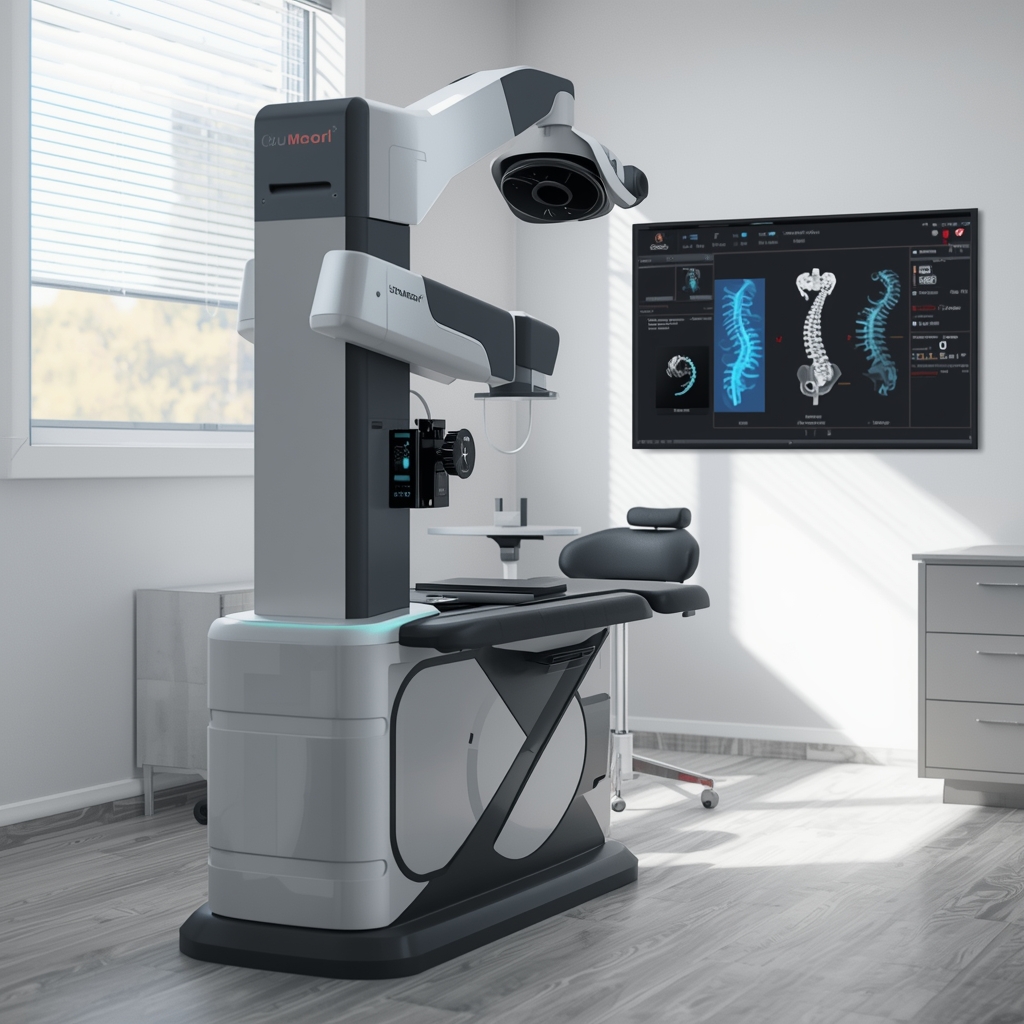
Digital spinal analysis systems are transforming how chiropractors evaluate musculoskeletal health. These tools use sensors, thermal imaging, and pressure mapping to detect misalignments, muscle imbalances, and nerve interference. By providing real-time, visual data, they reduce reliance on subjective manual assessments. For example, some systems measure temperature differences along the spine, which may indicate inflammation or dysfunction. Others analyze posture and movement patterns to identify asymmetries. This objective information allows for more accurate diagnoses and tracking progress over time. Patients often appreciate the visual feedback, which can enhance their understanding of their condition. As these systems become more accessible, they are helping chiropractors refine their approach, ensuring adjustments are targeted and effective. This technology also supports documentation, making it easier to share findings with other healthcare providers.
AI-Powered Imaging Tools
Artificial intelligence (AI) is making waves in chiropractic diagnostics by enhancing imaging technologies. AI algorithms can analyze X-rays, MRIs, and other scans to detect subtle abnormalities, such as disc degeneration or spinal stenosis. These tools identify patterns that might be missed by the human eye, improving early detection of issues. For instance, AI can highlight areas of concern in a scan, allowing chiropractors to focus on critical regions during evaluations. While AI serves as a supportive tool, the final diagnosis remains in the hands of the practitioner, ensuring clinical judgment is preserved. This technology also streamlines workflows, reducing the time needed for analysis. As AI continues to evolve, its integration into chiropractic practice is expected to grow, offering more precise insights. By leveraging these innovations, practitioners can provide more accurate assessments and better-informed treatment plans for their patients.
Portable Ultrasound Devices
Portable ultrasound devices are gaining traction in chiropractic settings due to their ability to provide real-time imaging of soft tissues and joints. Unlike traditional imaging methods, ultrasounds use sound waves, eliminating radiation exposure. These devices allow chiropractors to visualize muscles, ligaments, and tendons during evaluations, helping identify injuries or dysfunctions that may not be apparent through manual exams. For example, they can detect tears in soft tissues or assess joint mobility dynamically. The portability of these tools makes them ideal for in-office use, enabling immediate feedback during patient consultations. This technology also supports follow-up assessments, tracking changes in tissue health over time. By incorporating portable ultrasounds, chiropractors can enhance diagnostic accuracy and offer more comprehensive care. As the technology becomes more refined, its role in chiropractic diagnostics is likely to expand further.
Wearable Sensors for Real-Time Monitoring
Wearable sensors are emerging as a valuable tool for continuous monitoring in chiropractic care. These devices track movement, posture, and muscle activity, providing data that can reveal patterns contributing to musculoskeletal issues. For instance, sensors worn during daily activities can highlight poor posture or repetitive strain, helping chiropractors pinpoint the root causes of pain. This real-time feedback allows for more personalized treatment plans, as practitioners can adjust interventions based on objective data. Wearables also empower patients by offering insights into their habits, encouraging proactive self-management. Some systems integrate with mobile apps, enabling patients to monitor progress and communicate with their chiropractor remotely. As these technologies become more advanced, they are expected to play a larger role in preventive care. By leveraging wearable sensors, chiropractors can enhance diagnostic precision and foster long-term patient engagement.
Conclusion: The Future of Chiropractic Diagnostics
The innovations in chiropractic equipment discussed here represent a significant leap forward in diagnostic accuracy. By embracing technologies like digital analysis systems, AI-driven imaging, portable ultrasounds, and wearable sensors, practitioners can deliver more precise and patient-centered care. These tools not only enhance the diagnostic process but also improve communication with patients, fostering trust and compliance. As the field continues to evolve, staying informed about these advancements will be crucial for chiropractors aiming to provide cutting-edge services. While technology cannot replace clinical expertise, it serves as a powerful ally in achieving better outcomes. Patients benefit from more accurate assessments, leading to targeted treatments and faster recovery. Ultimately, these innovations reflect the chiropractic profession’s dedication to integrating science and care, ensuring that diagnostic practices remain at the forefront of modern healthcare.













