
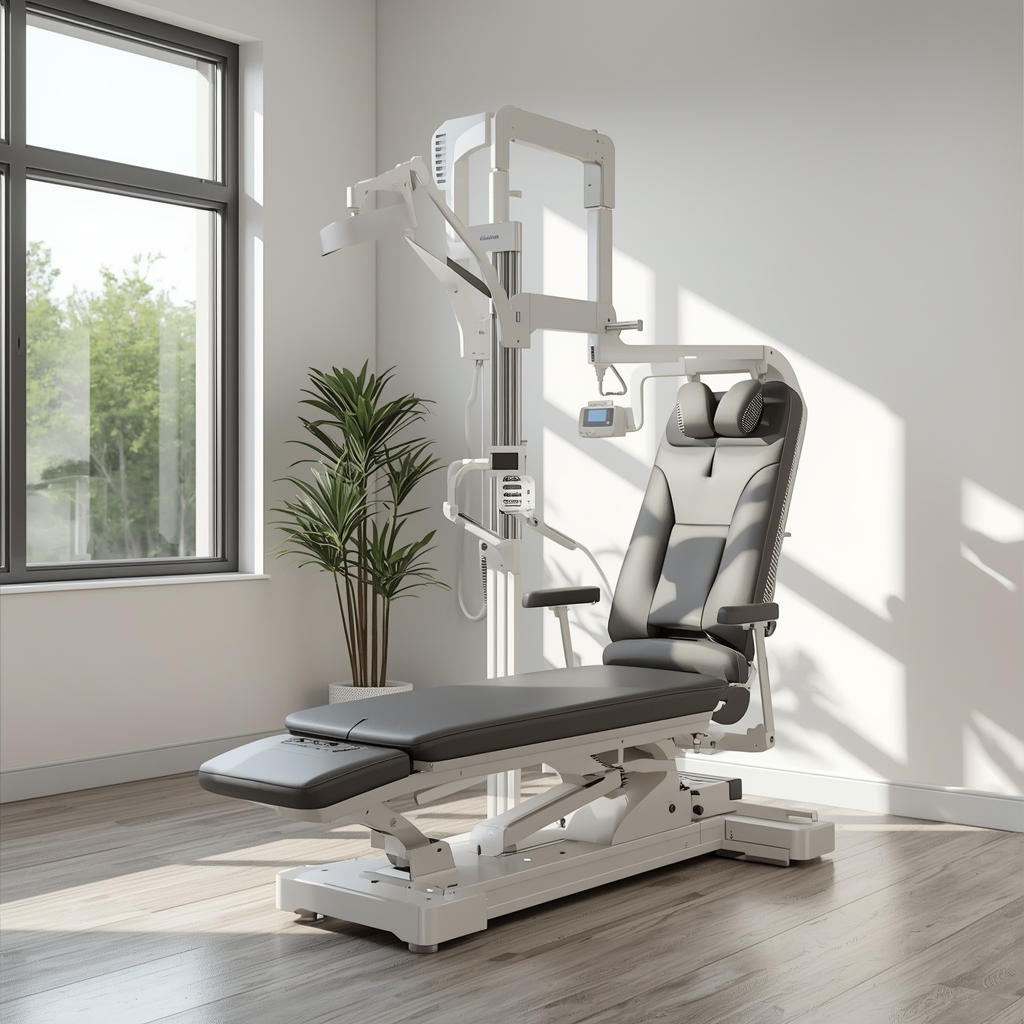
Emerging Technologies Reshaping Chiropractic Care
Modern chiropractic practices are embracing cutting-edge tools to enhance diagnostic accuracy and treatment effectiveness. From advanced imaging systems to AI-assisted diagnostics, these innovations help practitioners deliver more precise care. Patients benefit from faster assessments and personalized treatment plans, improving overall outcomes. As technology evolves, chiropractors are integrating devices that streamline workflows while maintaining a focus on holistic health. These tools complement traditional techniques, ensuring a balanced approach to musculoskeletal care. The shift toward tech-driven solutions reflects a broader trend in healthcare toward data-informed decision-making.
Digital Imaging and Real-Time Analysis
Digital X-ray systems and portable MRI devices are becoming staples in chiropractic clinics, offering clearer, faster imaging than traditional methods. These tools allow for real-time analysis of spinal alignment and joint function, enabling quicker adjustments. Some systems incorporate AI to highlight areas of concern, reducing human error in interpretation. This technology also minimizes patient exposure to radiation compared to older methods. By providing immediate feedback, chiropractors can tailor treatments more effectively. Patients appreciate the efficiency and reduced wait times, making visits more convenient. As these systems become more accessible, their impact on diagnostic precision continues to grow.
Low-Level Laser Therapy Devices
Low-level laser therapy (LLLT) devices are gaining popularity for their non-invasive approach to pain relief and tissue repair. These tools use specific light wavelengths to stimulate cellular activity, reducing inflammation and promoting healing. Chiropractors use them to address conditions like muscle strains, joint pain, and nerve discomfort. Unlike traditional treatments, LLLT requires no medication or surgery, appealing to patients seeking drug-free options. The devices are portable and easy to integrate into existing treatment protocols. Research suggests they may enhance recovery times when combined with manual adjustments. As evidence of their efficacy grows, more clinics are adopting this technology to expand their therapeutic offerings.
Smart Traction Systems for Spinal Relief
Advanced traction devices now feature smart technology to customize spinal decompression therapies. These systems use sensors to monitor pressure and alignment, adjusting in real time to optimize comfort and effectiveness. Patients with herniated discs or sciatica often benefit from this targeted approach. The data collected during sessions helps chiropractors track progress and refine treatment plans. Some models include biofeedback mechanisms to ensure proper posture during therapy. This innovation reduces the risk of improper technique, enhancing safety. By combining traditional traction methods with modern automation, these tools improve patient outcomes and satisfaction.
Wearable Tech for Posture and Movement Monitoring
Wearable devices like posture sensors and motion trackers are helping patients maintain proper alignment outside of clinic visits. These gadgets provide real-time feedback on sitting, standing, and movement patterns, encouraging healthier habits. Some systems sync with smartphone apps to log data and generate progress reports. Chiropractors use this information to identify recurring issues and adjust treatment strategies. Patients gain greater awareness of their daily routines, fostering long-term improvements. As wearable technology becomes more sophisticated, its role in preventive care expands. This trend empowers individuals to take an active role in their spinal health and overall wellness.
Future-Ready Practices: Adapting to Technological Advances
Chiropractors are increasingly prioritizing technology integration to stay competitive and meet patient expectations. Training programs now emphasize digital literacy, ensuring practitioners can leverage new tools effectively. Clinics that adopt these innovations often see higher patient retention and satisfaction. However, balancing tech with personalized care remains critical. The goal is to enhance, not replace, the human element of chiropractic practice. As 2024 progresses, ongoing research will shape how these tools evolve. By staying informed about advancements, chiropractors can continue providing high-quality, forward-thinking care that addresses modern health challenges.












