
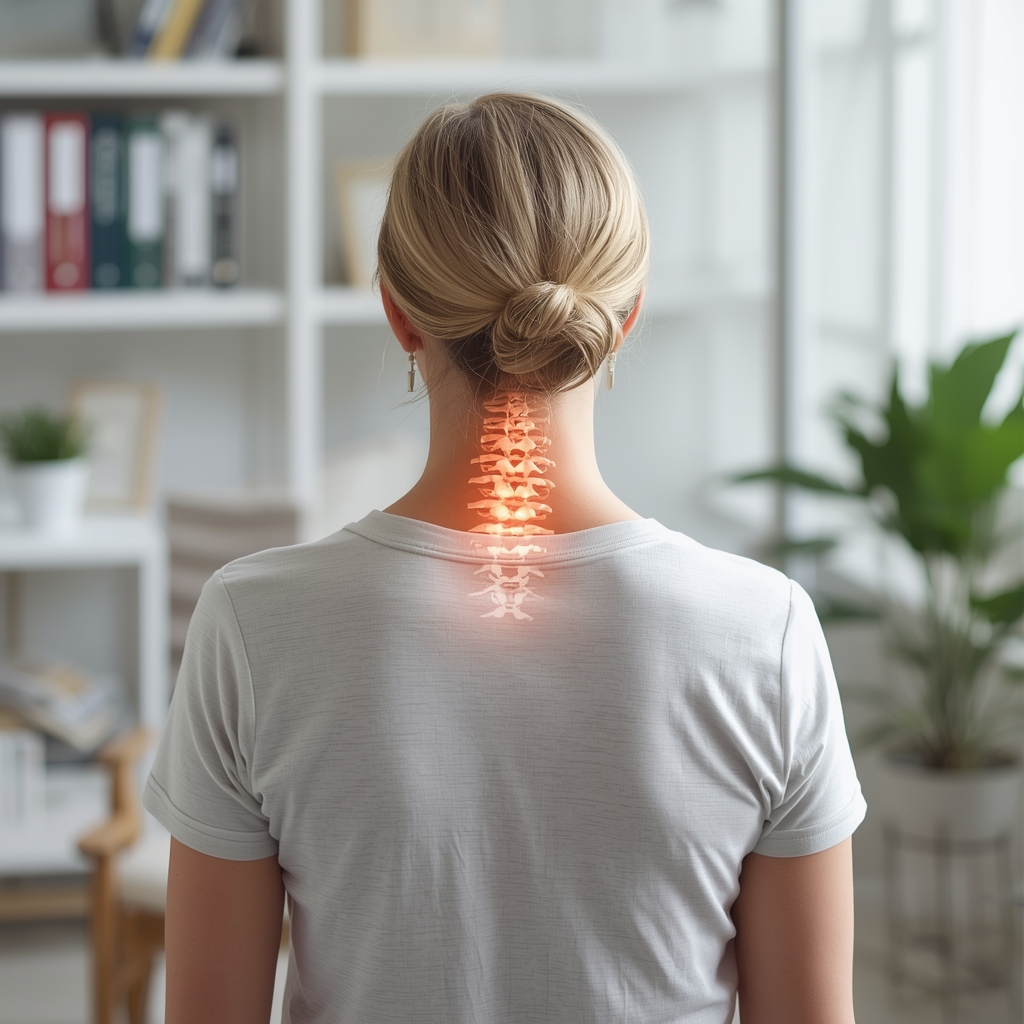
Understanding Cervical Radiculopathy
Cervical radiculopathy occurs when a nerve root in the neck becomes compressed or inflamed, often due to herniated discs, spinal stenosis, or degenerative changes. This condition can cause radiating pain, numbness, tingling, or weakness in the arms, hands, or shoulders. Common triggers include poor posture, repetitive strain, or sudden trauma. While the spine’s structure is complex, the goal of treatment is to reduce nerve irritation, restore mobility, and alleviate symptoms. Both chiropractic care and physical therapy are frequently recommended, but their effectiveness can vary depending on the individual’s specific condition and needs.
Chiropractic Care Approaches
Chiropractic care focuses on spinal manipulation and manual therapies to address misalignments (subluxations) that may contribute to nerve compression. Techniques like diversified adjustments, activator methods, or drop-table adjustments aim to relieve pressure on affected nerves and restore proper spinal function. Chiropractors may also incorporate soft tissue therapies, such as massage or myofascial release, to reduce muscle tension around the cervical spine. By targeting the root cause of nerve irritation, chiropractic interventions often provide rapid relief for acute symptoms. However, the effectiveness of these approaches depends on the severity of the condition and the patient’s overall health.
Physical Therapy Interventions
Physical therapy emphasizes strengthening, stretching, and improving mobility through targeted exercises and modalities. Therapists may use techniques like cervical traction, heat therapy, or electrical stimulation to reduce inflammation and ease muscle spasms. A key component of physical therapy is patient education, teaching individuals how to modify daily activities and maintain proper posture to prevent further strain. This approach often focuses on long-term functional improvement rather than immediate symptom relief. For patients with chronic or degenerative conditions, physical therapy can build resilience and reduce the risk of future episodes. However, it may require consistent participation over weeks or months to achieve optimal results.
Comparative Effectiveness
Research on the effectiveness of chiropractic care versus physical therapy for cervical radiculopathy is mixed. Some studies suggest that spinal manipulation can provide faster pain relief for acute cases, while physical therapy may offer more sustained improvements in mobility and strength. A 2018 review noted that both approaches can be beneficial, but outcomes vary based on factors like the patient’s age, symptom duration, and underlying causes. Chiropractic care may be particularly effective for nerve-related pain, whereas physical therapy often addresses musculoskeletal imbalances. Neither approach is universally superior, and many patients benefit from a combination of both. Individualized assessment by a healthcare provider is critical to determining the best course of action.
When Chiropractic Might Excel
Chiropractic care may be more effective for patients experiencing acute nerve compression with severe radiating pain. Spinal adjustments can quickly decompress affected nerves, offering relief that physical therapy alone might not achieve as rapidly. This is especially relevant for cases caused by herniated discs or sudden postural shifts. Patients who prefer non-invasive, drug-free options may also find chiropractic interventions more appealing. Additionally, chiropractors often address related musculoskeletal issues, such as muscle tightness or joint dysfunction, which can exacerbate radiculopathy symptoms. However, for conditions requiring long-term strengthening or rehabilitation, physical therapy may complement chiropractic care to ensure comprehensive recovery.
Consulting a Healthcare Provider
Deciding between chiropractic care and physical therapy requires a personalized evaluation by a qualified healthcare provider. Both approaches have evidence-based benefits, but their suitability depends on the specific cause and severity of cervical radiculopathy. A chiropractor can assess spinal alignment and nerve function, while a physical therapist can design a tailored exercise program. Patients should communicate their goals, preferences, and medical history to guide treatment decisions. In some cases, a combination of both therapies may yield the best outcomes. Ultimately, working with a trusted professional ensures safe, effective care that aligns with individual needs and promotes long-term spinal health.













