
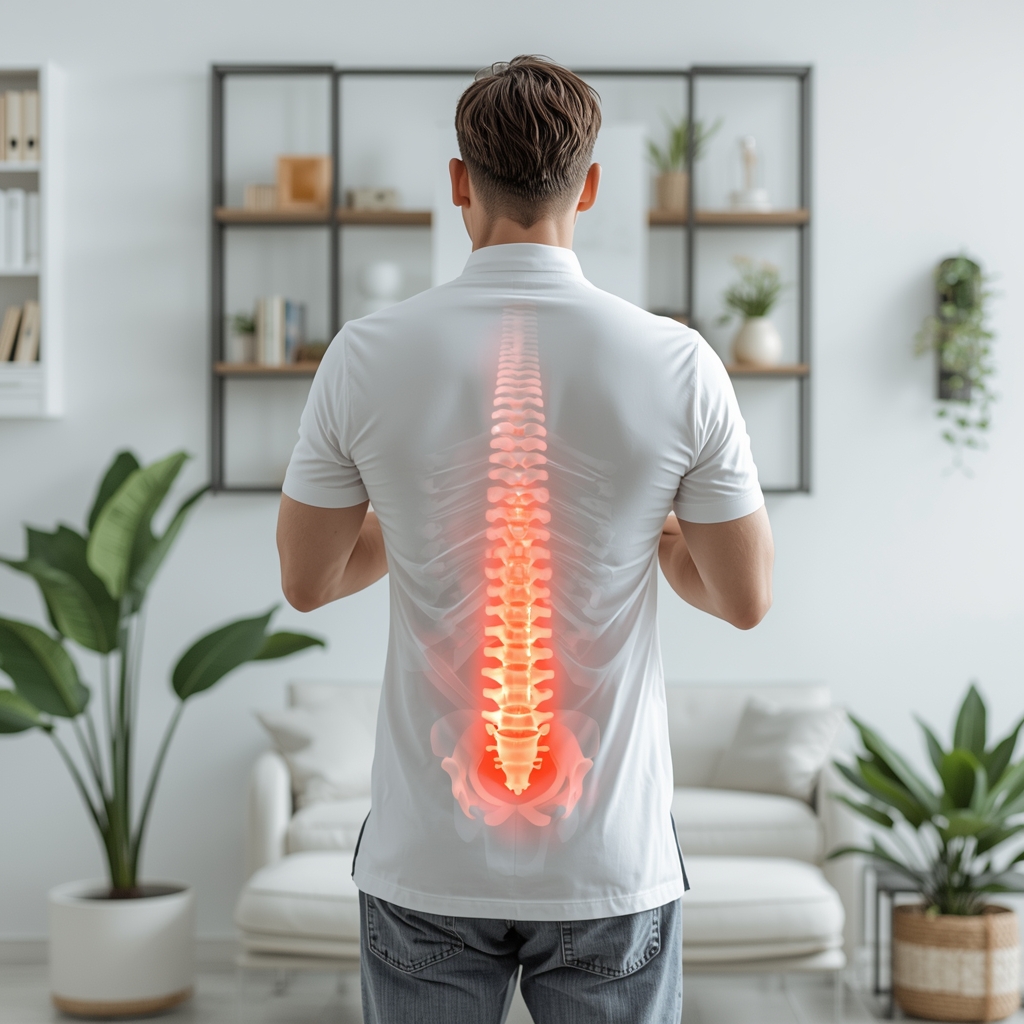
Understanding Sciatica and Common Treatment Approaches
Sciatica refers to pain radiating along the sciatic nerve, often caused by compression or irritation of the spinal nerves in the lower back. Symptoms may include sharp, shooting pain, numbness, or tingling that extends from the lower back down the legs. Both chiropractic care and physical therapy are frequently recommended for managing sciatica, but their approaches differ. Chiropractic care focuses on spinal adjustments to realign the spine and reduce nerve pressure, while physical therapy emphasizes strengthening exercises, stretching, and movement retraining. Patients often seek guidance to determine which modality suits their specific condition best. Understanding the scenarios where one approach may be more effective can help individuals make informed decisions about their treatment.
Scenarios Where Chiropractic Care May Excel
Chiropractic care may be particularly effective for sciatica when the condition stems from spinal misalignment or disc-related issues. For example, if a herniated disc or spinal stenosis is compressing the sciatic nerve, chiropractic adjustments can help relieve pressure and restore proper spinal function. Patients experiencing acute pain with a clear mechanical cause, such as a sudden injury or degenerative changes, often report rapid symptom relief through targeted adjustments. Additionally, chiropractors may use adjunct therapies like soft tissue work or decompression techniques to enhance outcomes. However, it’s important to note that these scenarios are not universally applicable, and individual responses can vary. A qualified chiropractor can assess the root cause of sciatica and determine if spinal adjustments are a suitable intervention.
Comparing Chiropractic and Physical Therapy Techniques
Physical therapy for sciatica typically involves customized exercise programs to improve flexibility, strengthen core muscles, and correct posture. Therapists may also use modalities like heat, ice, or electrical stimulation to reduce inflammation and pain. In contrast, chiropractic care prioritizes manual adjustments to correct spinal misalignments that contribute to nerve compression. While physical therapy focuses on long-term functional improvement, chiropractic care often targets immediate relief of structural issues. Both approaches can complement each other, but their effectiveness depends on the underlying cause of sciatica. For instance, if nerve irritation is primarily due to poor posture or muscle weakness, physical therapy may be more beneficial. Conversely, if spinal alignment is the primary issue, chiropractic adjustments might offer faster relief.
Factors Influencing Treatment Effectiveness
The effectiveness of chiropractic care or physical therapy for sciatica depends on several factors, including the severity and duration of symptoms, the patient’s overall health, and the root cause of the condition. For example, patients with mild sciatica caused by temporary nerve irritation may find physical therapy sufficient, while those with chronic or severe cases might benefit from a combination of both approaches. Individual preferences, such as a willingness to engage in regular exercise versus seeking hands-on treatment, also play a role. Additionally, the expertise of the provider matters—chiropractors with experience in spinal decompression and physical therapists specializing in movement correction can offer more tailored care. Patients should consider these factors when evaluating their options and consult with healthcare professionals to determine the best path forward.
How Patients Can Make an Informed Decision
Patients deciding between chiropractic care and physical therapy for sciatica should start by consulting a qualified healthcare provider, such as a chiropractor or physical therapist, for a thorough evaluation. This assessment can help identify the underlying cause of sciatica and guide treatment recommendations. Patients should also consider their personal preferences, such as whether they prefer non-invasive manual techniques or structured exercise programs. It’s important to discuss expected outcomes, treatment duration, and potential risks with each provider. In some cases, a combination of both approaches may yield the best results. By gathering information, asking questions, and working with experienced professionals, patients can make a decision that aligns with their health goals and lifestyle.
When to Seek Professional Guidance
While general guidance can help, patients should always seek professional advice for sciatica treatment. A chiropractor or physical therapist can perform a comprehensive evaluation to determine the most appropriate intervention. For example, if sciatica is accompanied by severe weakness, loss of bladder control, or progressive symptoms, immediate medical attention is necessary to rule out serious conditions. Even for milder cases, a healthcare provider can tailor recommendations to the individual’s needs. Patients should also be cautious of unproven treatments or providers making unrealistic claims. By working with licensed professionals, individuals can ensure their care is safe, evidence-based, and aligned with their health goals. Regular follow-ups and open communication with providers can further optimize outcomes and support long-term recovery.













