
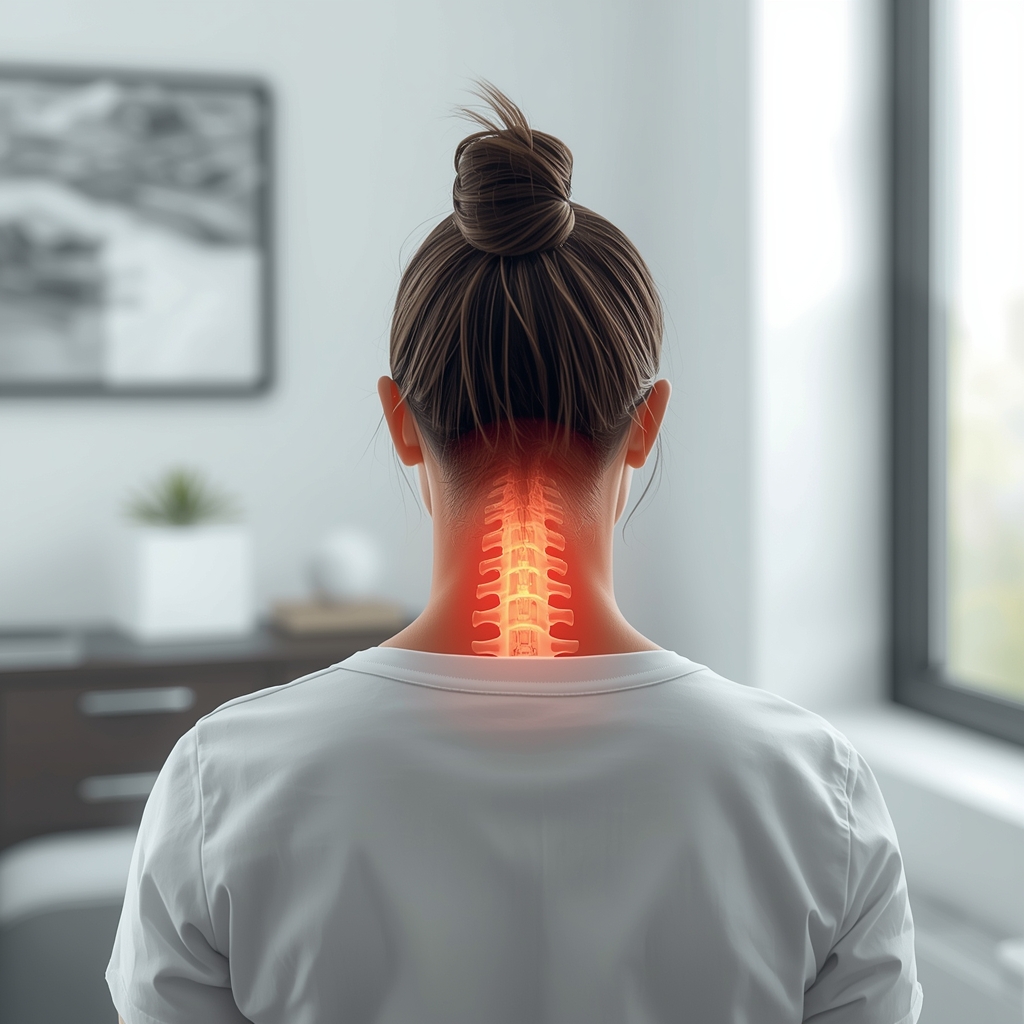
Understanding Cervical Radiculopathy and Treatment Approaches
Cervical radiculopathy, often called a "pinched nerve" in the neck, occurs when a herniated disc or bone spur compresses a nerve root. This can cause radiating pain, numbness, or weakness in the arms, shoulders, or hands. Both chiropractic care and physical therapy are commonly recommended for managing this condition, but their approaches differ significantly. Chiropractic care focuses on spinal alignment and manual adjustments, while physical therapy emphasizes strengthening, mobility, and rehabilitation. Understanding these distinctions helps patients make informed decisions about their treatment. Neither approach is universally superior; the choice depends on individual needs, symptom severity, and provider recommendations. This article explores key differences in techniques, goals, and applications for each method.
Chiropractic Care for Cervical Radiculopathy
Chiropractic care for cervical radiculopathy centers on spinal manipulation and manual adjustments to restore proper alignment and reduce nerve compression. Chiropractors use specific techniques, such as high-velocity, low-amplitude thrusts, to realign the vertebrae and alleviate pressure on affected nerves. This approach aims to improve joint function, reduce inflammation, and promote natural healing. Some chiropractors may also incorporate adjunct therapies like soft tissue work, ultrasound, or cold laser therapy to enhance outcomes. The goal is to address the root cause of the condition rather than just managing symptoms. Patients often report relief from pain and improved range of motion after adjustments, though results can vary based on the severity of the issue and the patient’s overall health.
Physical Therapy for Cervical Radiculopathy
Physical therapy for cervical radiculopathy focuses on strengthening the neck and shoulder muscles, improving posture, and increasing flexibility to reduce nerve irritation. Therapists design personalized exercise programs that may include stretching, resistance training, and low-impact aerobic activities. Manual therapy techniques, such as mobilization of the cervical spine, are sometimes used to improve joint mobility. Education on ergonomics and proper body mechanics is also a key component, helping patients avoid further strain. Unlike chiropractic care, physical therapy emphasizes long-term functional improvement rather than immediate structural correction. Patients typically engage in multiple sessions over weeks or months, with progress monitored through regular assessments. This approach is particularly beneficial for those with chronic symptoms or underlying musculoskeletal imbalances.
Comparing Goals and Outcomes
The primary goal of chiropractic care is to correct spinal misalignments and reduce nerve compression through manual adjustments, aiming for rapid symptom relief. Physical therapy, in contrast, prioritizes restoring strength, mobility, and overall function through targeted exercises and education. While chiropractic interventions may provide quicker pain reduction, physical therapy often addresses the underlying causes of cervical radiculopathy, such as poor posture or muscle weakness. Both approaches can lead to improved outcomes, but the timeline and focus differ. Chiropractic care may be more suitable for acute cases, while physical therapy is often recommended for long-term management. Some patients benefit from a combination of both, leveraging the strengths of each method to achieve optimal results.
Collaboration Between Chiropractic and Physical Therapy
In some cases, chiropractic care and physical therapy may be used together to address cervical radiculopathy comprehensively. For example, a chiropractor might perform adjustments to relieve nerve pressure, while a physical therapist works on strengthening the surrounding muscles to prevent recurrence. This integrated approach can enhance recovery by combining structural correction with functional rehabilitation. Communication between providers is essential to ensure treatments complement each other and avoid conflicting interventions. Patients should discuss their treatment plan with both professionals to align goals and expectations. While collaboration is not always necessary, it can be particularly valuable for complex or chronic cases requiring multidisciplinary care.
Key Considerations for Patients
When choosing between chiropractic care and physical therapy for cervical radiculopathy, patients should consider factors like symptom severity, treatment preferences, and provider expertise. Chiropractic care may appeal to those seeking non-invasive, hands-on interventions, while physical therapy suits individuals looking for structured exercise programs. It’s important to consult with a qualified healthcare professional to determine the best approach for individual needs. Patients should also be aware of potential risks, such as temporary discomfort after adjustments or overexertion during therapy sessions. Open communication with providers ensures treatments are tailored effectively. Ultimately, the decision should prioritize safety, effectiveness, and alignment with the patient’s health goals.












