
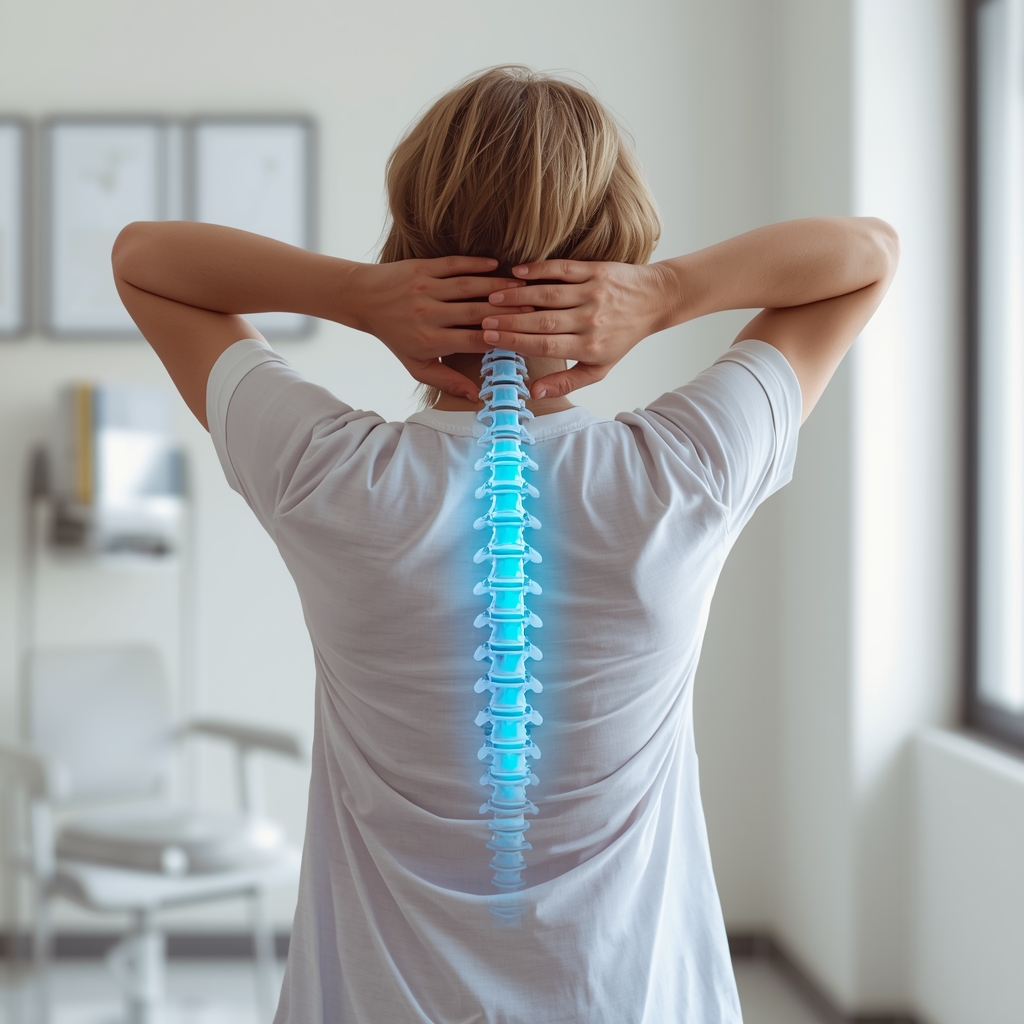
Understanding Spinal Stenosis in Younger Adults
Spinal stenosis, typically associated with aging, can also affect younger individuals due to congenital factors, trauma, or conditions like scoliosis. This narrowing of the spinal canal compresses nerves, causing pain, numbness, or weakness. While less common in younger adults, it often stems from structural abnormalities or repetitive stress. Symptoms may mimic those of other spinal issues, making accurate diagnosis critical. Unlike age-related stenosis, younger patients might experience sudden onset or activity-related discomfort. Understanding the unique causes in this demographic helps tailor effective care. Chiropractic approaches, such as thoracic adjustments and decompression therapy, aim to alleviate pressure and restore function without invasive procedures. These methods focus on improving alignment and mobility, offering non-surgical options for symptom management.
How Thoracic Spine Adjustments Work
Thoracic spine adjustments involve manual manipulations to correct misalignments in the upper back. These adjustments aim to reduce nerve compression and improve spinal mobility, which can ease symptoms like pain or restricted movement. By restoring proper joint function, chiropractors help the body’s natural healing processes. For younger adults, this approach may address structural imbalances caused by poor posture, sports injuries, or congenital conditions. The adjustments are typically gentle, focusing on precise areas of restriction. While not a cure, they can significantly reduce discomfort and enhance overall spinal health. Many patients report improved flexibility and reduced pressure on nerves after sessions. However, results vary, and a chiropractor will assess individual needs to determine the best course of action.
Role of Decompression Therapy in Spinal Stenosis
Decompression therapy uses controlled traction to gently stretch the spine, creating space between vertebrae. This can relieve pressure on nerves and discs, offering relief for spinal stenosis symptoms. The therapy is often applied to the thoracic or lumbar regions, depending on the affected area. For younger adults, it may help alleviate pain caused by herniated discs or compressed nerves. By reducing mechanical stress, decompression can improve blood flow and nutrient delivery to spinal tissues. It is often used alongside adjustments to enhance outcomes. Sessions are non-invasive and typically painless, making them a viable option for those seeking alternatives to medication or surgery. While research on its effectiveness in younger populations is ongoing, many patients find it beneficial for managing chronic discomfort.
Combined Benefits for Symptom Relief
Thoracic adjustments and decompression therapy often work synergistically to address spinal stenosis. Adjustments correct misalignments, while decompression reduces nerve pressure, creating a dual approach to symptom management. This combination may improve mobility, reduce inflammation, and enhance nerve function. Younger adults, with their generally higher healing capacity, might experience faster relief compared to older patients. The therapies also promote better posture and spinal stability, preventing future complications. Patients often report decreased pain and improved daily functioning after consistent treatment. However, outcomes depend on the severity of the condition and adherence to a personalized care plan. A chiropractor can evaluate whether these methods align with an individual’s needs, ensuring a safe and effective strategy.
Considerations for Younger Patients
Younger adults with spinal stenosis may have different underlying causes than older patients, such as genetic factors or sports-related injuries. This necessitates a tailored approach to treatment. Chiropractors consider the patient’s lifestyle, activity level, and medical history when recommending adjustments or decompression. For instance, athletes or physically active individuals might benefit from therapies that support flexibility and strength. It’s also important to rule out other conditions that could mimic stenosis, like muscle imbalances or disc herniations. While non-invasive, these treatments require professional guidance to avoid complications. Younger patients should communicate openly with their chiropractor about symptoms and goals to optimize care. Regular follow-ups ensure adjustments are effective and adjustments are made as needed.
When to Seek Professional Help
If you experience persistent back pain, numbness, or difficulty with movement, consult a chiropractor or healthcare provider. Early intervention can prevent symptoms from worsening, especially in younger adults whose lifestyles may involve repetitive strain. A qualified chiropractor will conduct a thorough evaluation, including imaging if necessary, to determine the best treatment plan. Thoracic adjustments and decompression therapy are part of a broader range of options, and a professional can guide you through the process. Avoid self-diagnosis or unproven remedies, as they may delay effective care. For younger patients, maintaining spinal health through regular check-ups and proactive care can reduce the risk of long-term issues. Always discuss any treatment with a licensed provider to ensure it’s safe and appropriate for your condition.















