
Understanding Tech Neck and the Rise of Remote Work
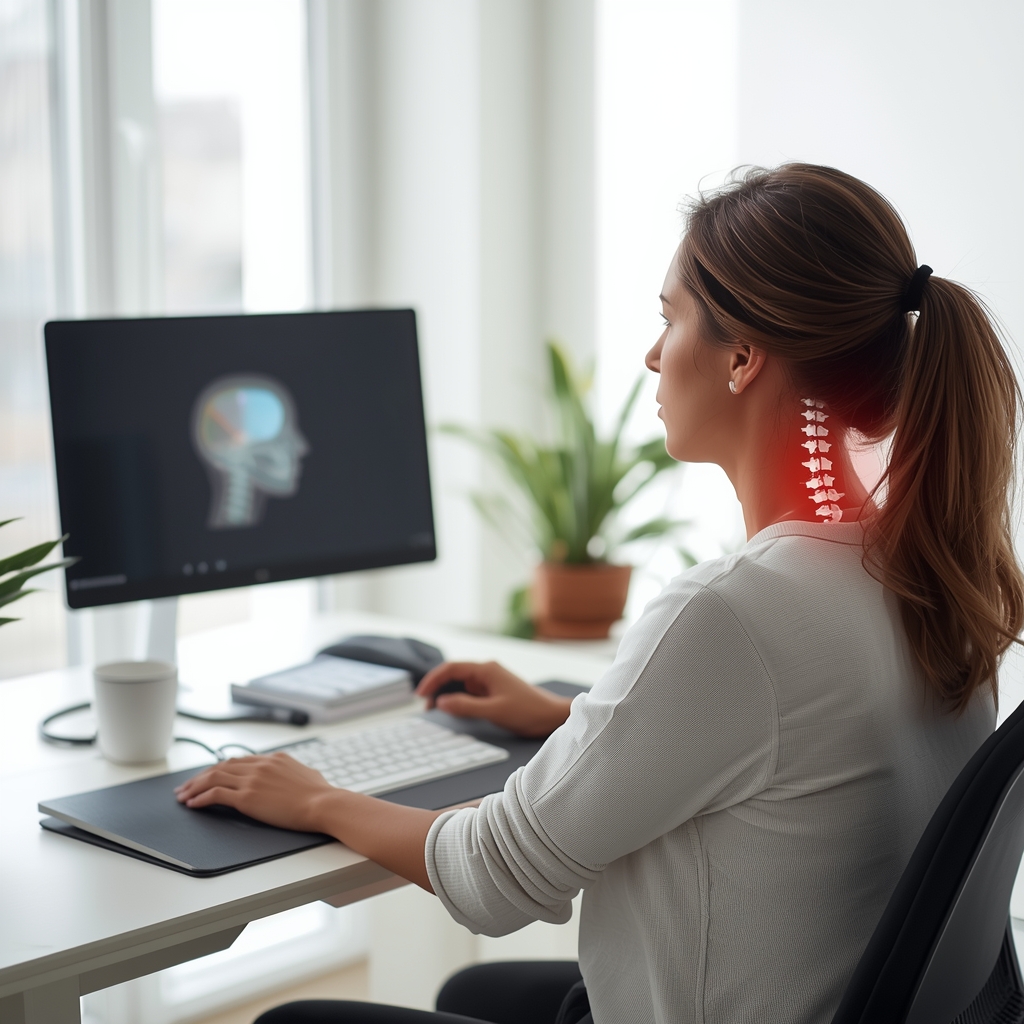
Technological advancements have revolutionized how we work, with remote employment becoming increasingly common. However, this shift has introduced new health challenges, particularly tech neck—a condition caused by prolonged forward head posture while using digital devices. The weight of the head, which can exceed 10 pounds in a forward position, strains the cervical spine and surrounding muscles, leading to chronic pain, reduced mobility, and even nerve discomfort. As more individuals work from home or hybrid setups, the risk of tech neck grows, emphasizing the need for proactive solutions. Telehealth platforms now offer innovative tools to address this issue, combining technology with healthcare to support remote workers in maintaining proper posture and preventing long-term complications.
Real-Time Posture Feedback Through Telehealth
Telehealth platforms leverage video conferencing and AI-driven tools to provide real-time posture assessments. During virtual consultations, chiropractors can observe a patient’s sitting or working posture and offer immediate feedback. Some systems use motion sensors or smartphone cameras to track head and spine alignment, alerting users when they slouch or adopt harmful positions. This instant correction helps reinforce proper posture habits, reducing the cumulative strain on the neck and upper back. By integrating these technologies, telehealth enables continuous monitoring, allowing users to adjust their ergonomics throughout the day. Such feedback is especially valuable for remote workers who may lack in-person supervision, making it easier to maintain healthy postural patterns without frequent office visits.
Customized Exercise Programs for Posture Correction
Telehealth platforms also facilitate the creation of personalized exercise regimens tailored to address tech neck. Chiropractors can design corrective exercises that target weakened neck, shoulder, and core muscles, which often contribute to poor posture. These programs may include stretches, resistance exercises, and breathing techniques to improve alignment and reduce tension. Virtual sessions allow for guided practice, ensuring patients perform movements correctly and safely. Additionally, some platforms use interactive apps to track progress, offering reminders and adjustments as needed. By combining professional expertise with digital tools, telehealth empowers remote workers to take an active role in their recovery, fostering long-term musculoskeletal health and preventing recurring discomfort.
The Role of Chiropractors in Telehealth Consultations
Chiropractors play a critical role in telehealth by adapting their expertise to virtual settings. During remote consultations, they assess a patient’s posture, discuss symptoms, and recommend interventions. They may use video calls to demonstrate proper ergonomics for home offices or suggest adjustments to workstations. Chiropractors also educate patients on the importance of regular movement, hydration, and sleep in maintaining spinal health. While telehealth cannot replace hands-on adjustments, it enhances accessibility, allowing patients to receive guidance from the comfort of their homes. This approach is particularly beneficial for individuals with busy schedules or limited access to in-person care, ensuring they stay on track with their posture correction and injury prevention goals.
Benefits of Telehealth for Remote Workers
Telehealth offers numerous advantages for remote workers seeking to combat tech neck. It provides convenient, on-demand access to professional advice, eliminating the need for travel or time off work. Real-time feedback and customized programs help users address posture issues before they escalate into chronic conditions. Additionally, telehealth fosters a proactive approach to health, encouraging regular check-ins and adjustments. For employers, investing in telehealth services can reduce workplace injuries and improve productivity. By integrating these platforms into wellness programs, companies support employee well-being while promoting a culture of health. As remote work continues to shape the future of employment, telehealth stands as a vital tool in maintaining musculoskeletal health and preventing tech-related ailments.
Conclusion: Embracing Telehealth for Posture Health
As remote work becomes the norm, addressing tech neck requires innovative solutions that prioritize accessibility and personalization. Telehealth platforms bridge the gap between traditional chiropractic care and modern lifestyles, offering real-time posture feedback and tailored exercise programs. By leveraging technology, these services empower individuals to take control of their spinal health, reducing the risk of long-term complications. While telehealth cannot replace in-person care entirely, it complements it by providing continuous support and education. For remote workers, this approach ensures they receive the guidance needed to maintain proper posture and prevent strain. As the healthcare landscape evolves, embracing telehealth will be key to fostering a healthier, more resilient workforce.













