
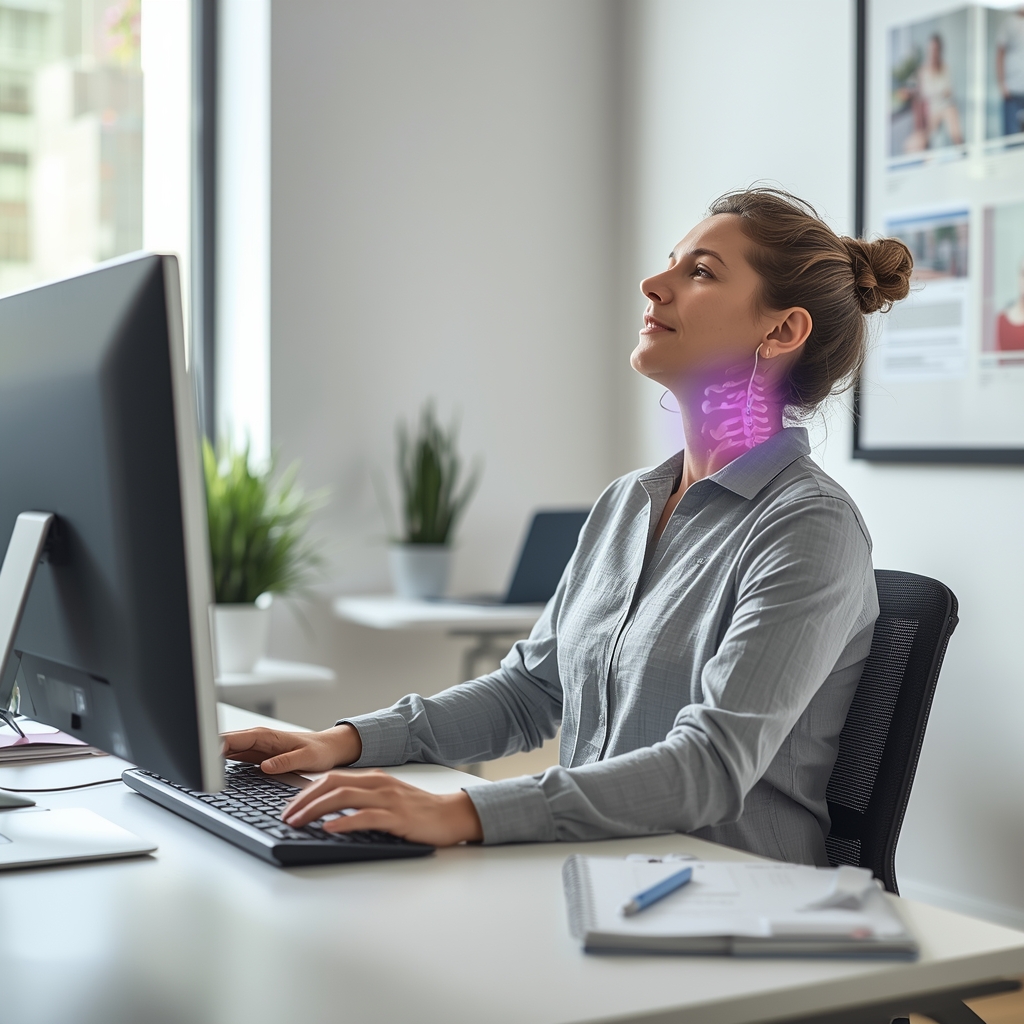
Understanding Tech Neck and Its Impact on Remote Workers
Tech neck, a modern affliction caused by prolonged forward head posture while using devices, is increasingly common among remote workers juggling multiple screens. This condition strains the cervical spine, leading to discomfort, stiffness, and even chronic pain. The repetitive nature of screen-based work exacerbates muscle fatigue and poor posture, creating a cycle of discomfort. While tech neck is not a formal medical diagnosis, its symptoms align with broader issues like cervical strain and musculoskeletal imbalances. Addressing it requires a combination of ergonomic adjustments and targeted exercises to alleviate pressure on the neck and shoulders. Understanding the root causes is the first step in developing strategies to mitigate its effects.
Ergonomic Devices to Alleviate Tech Neck Strain
Adjusting your workspace with ergonomic tools can significantly reduce tech neck symptoms. A monitor stand or adjustable desk helps position screens at eye level, minimizing the need to tilt the head downward. Ergonomic keyboards and mouse setups promote neutral wrist and arm positions, reducing secondary strain. Lumbar support cushions and ergonomic chairs provide proper spinal alignment, distributing pressure evenly. Additionally, standing desks encourage movement and posture changes throughout the day. These devices work together to create a supportive environment that aligns with natural body mechanics. While they don’t cure tech neck, they offer practical solutions to ease daily discomfort and prevent long-term issues.
Chiropractic Exercises for Tech Neck Relief
Chiropractic exercises focus on strengthening and stretching the muscles that support the neck and upper back. Simple movements like chin tucks, neck rotations, and shoulder rolls can improve flexibility and reduce tension. Isometric exercises, such as gently pressing the head against a wall, help build stability without overexertion. These routines are often tailored to individual needs, ensuring they address specific imbalances. Consistency is key, as regular practice can enhance posture and reduce the frequency of tech neck symptoms. A chiropractor can guide patients in performing these exercises correctly, emphasizing proper form to avoid further strain. Combining these exercises with ergonomic adjustments creates a holistic approach to managing tech neck discomfort.
Posture Correction Techniques for Remote Work
Correcting posture is essential for preventing and alleviating tech neck. Remote workers should prioritize sitting with their ears aligned over their shoulders and shoulders over their hips. This neutral position reduces spinal compression and muscle overuse. Frequent breaks to stand, stretch, or walk are crucial, as prolonged static postures worsen symptoms. Using a supportive chair with adjustable lumbar support helps maintain the spine’s natural curve. Additionally, placing monitors at eye level prevents the head from tilting forward. Mindful posture adjustments throughout the day, paired with ergonomic tools, can significantly reduce strain. Over time, these habits become second nature, fostering long-term spinal health and comfort.
Combining Ergonomics and Chiropractic Care
The most effective approach to managing tech neck involves integrating ergonomic adjustments with chiropractic care. Ergonomic devices address environmental factors, while chiropractic interventions target musculoskeletal imbalances. Regular chiropractic sessions can identify and correct misalignments contributing to posture issues. A chiropractor may also recommend personalized exercise routines to strengthen supporting muscles. Together, these strategies create a comprehensive plan to reduce strain and improve overall well-being. For remote workers, this dual approach offers sustainable relief, preventing recurring symptoms. It’s important to consult a qualified professional to tailor these solutions to individual needs, ensuring safe and effective outcomes.
When to Seek Professional Help for Tech Neck
If tech neck symptoms persist despite ergonomic adjustments and exercises, consulting a chiropractor is advisable. Chronic pain, limited range of motion, or neurological symptoms like numbness warrant professional evaluation. A chiropractor can assess spinal alignment, muscle tension, and posture to develop a targeted treatment plan. They may use techniques like spinal adjustments, soft tissue therapy, or rehabilitative exercises to address underlying issues. Early intervention often prevents long-term complications, making it essential to seek help before symptoms worsen. Remote workers should prioritize their health by scheduling regular check-ups, ensuring their workspace and habits support spinal wellness.













