
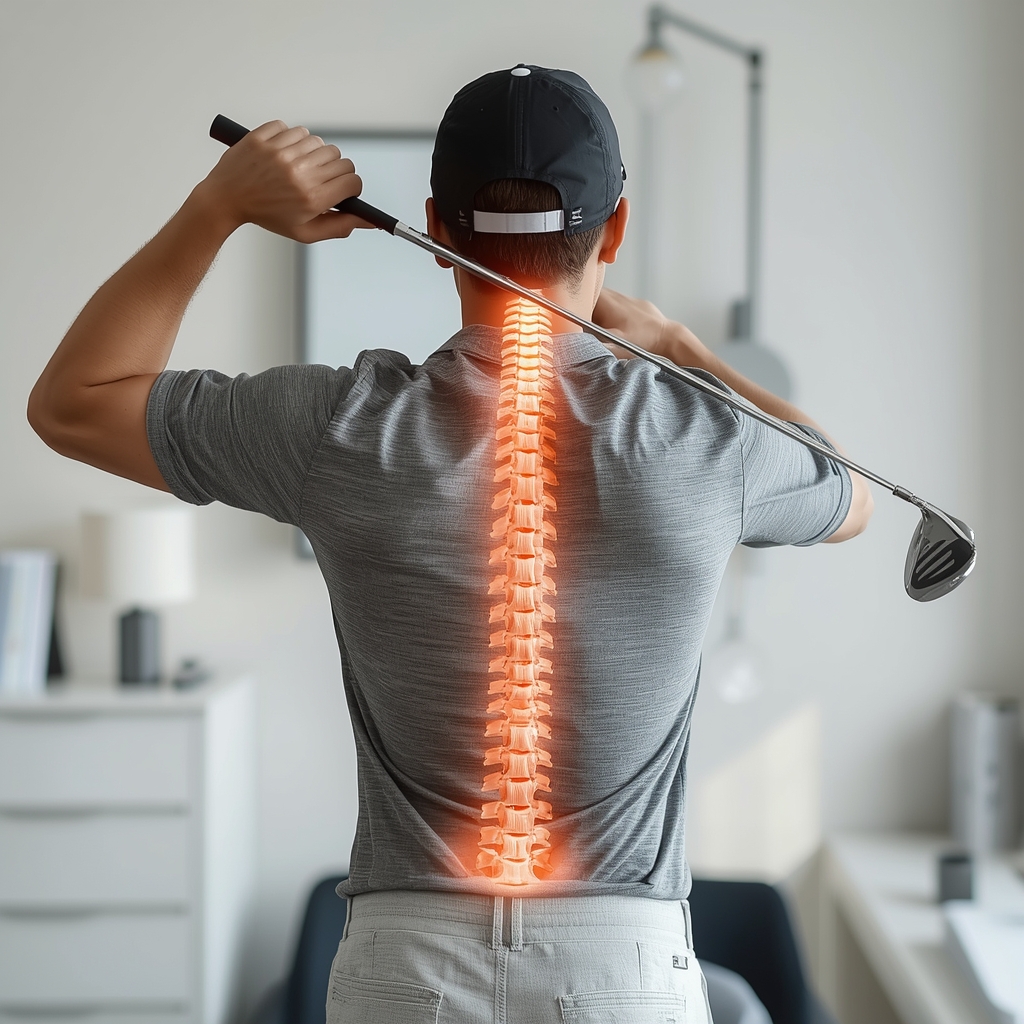
Understanding the Thoracic Spine's Role in Golf Swing Mechanics
The thoracic spine, located in the upper back, plays a critical role in rotational movement and stability during a golf swing. Restrictions or misalignments in this region can limit range of motion, disrupt kinetic chain efficiency, and increase strain on surrounding muscles and joints. Golfers with thoracic spine restrictions often experience reduced swing power, inconsistent ball striking, and compensatory movements that may lead to injury. Chiropractic care focuses on identifying and addressing these restrictions to restore natural spinal mobility, which is essential for optimizing the complex, multi-joint coordination required in golf. By improving thoracic spine function, golfers can enhance their ability to generate torque and maintain proper posture throughout the swing.
How Thoracic Restrictions Impact Swing Efficiency
Thoracic spine restrictions, such as joint dysfunction or muscle tightness, can hinder the body’s ability to rotate efficiently. During a golf swing, the thoracic spine must move freely to transfer energy from the lower body to the upper body and ultimately to the club. When this area is restricted, golfers may compensate by overusing the lumbar spine or shoulders, leading to imbalances and potential injury. These compensations can also reduce swing speed and accuracy, as the body struggles to maintain proper biomechanics. Additionally, restricted thoracic mobility may contribute to poor posture, further affecting swing mechanics. Addressing these issues through targeted chiropractic interventions can help golfers regain optimal movement patterns and improve overall performance.
The Role of Chiropractic Adjustments in Restoring Mobility
Spinal adjustments performed by chiropractors aim to correct misalignments and improve joint function in the thoracic spine. These adjustments can increase range of motion, reduce muscle tension, and enhance nervous system communication, which is vital for coordinated movement. For golfers, restoring thoracic spine mobility allows for more efficient energy transfer during the swing, reducing the risk of compensatory movements. Chiropractors may use manual techniques or specialized tools to gently realign the vertebrae, ensuring the spine moves as intended. By addressing restrictions, adjustments can help golfers achieve a more fluid, powerful swing while minimizing strain on the body. This approach supports long-term athletic performance and injury prevention.
Techniques Targeting Thoracic Spine Restrictions
Chiropractors employ various techniques to address thoracic spine restrictions, including diversified adjustments, activator methods, and soft tissue therapies. Diversified adjustments involve manual thrusts to restore joint mobility, while activator methods use a handheld instrument for precise, low-force corrections. Soft tissue work, such as myofascial release, can alleviate muscle tightness contributing to restricted movement. Some practitioners may also incorporate mobilization exercises to reinforce spinal flexibility. These techniques are tailored to the individual’s needs, ensuring safe and effective care. For golfers, the goal is to enhance thoracic spine function without causing additional strain, enabling a more efficient and pain-free swing.
Benefits for Golfers and Performance Outcomes
Addressing thoracic spine restrictions through chiropractic care can lead to measurable improvements in golf performance. Golfers often report increased swing speed, better balance, and reduced discomfort during play. Enhanced thoracic mobility allows for more efficient energy transfer, resulting in longer drives and more consistent shots. Additionally, improved posture and reduced compensatory movements can lower the risk of overuse injuries. Many athletes find that regular chiropractic care supports their training by maintaining optimal spinal function. While results vary, the focus remains on restoring natural movement patterns to help golfers perform at their best. As with any treatment, individual outcomes depend on the severity of restrictions and adherence to a comprehensive care plan.
Consulting a Chiropractor for Personalized Care
Golfers experiencing swing inefficiencies or upper back discomfort should consult a qualified chiropractor for an evaluation. A professional can identify specific thoracic spine restrictions and develop a tailored care plan. This may include adjustments, rehabilitative exercises, and lifestyle recommendations to support long-term spinal health. It is important to note that chiropractic care is not a one-size-fits-all solution, and individualized assessment is crucial. Golfers should avoid self-diagnosis or unproven treatments, as these can worsen existing issues. By working with a licensed provider, athletes can safely address thoracic spine concerns and optimize their performance on the course.














