
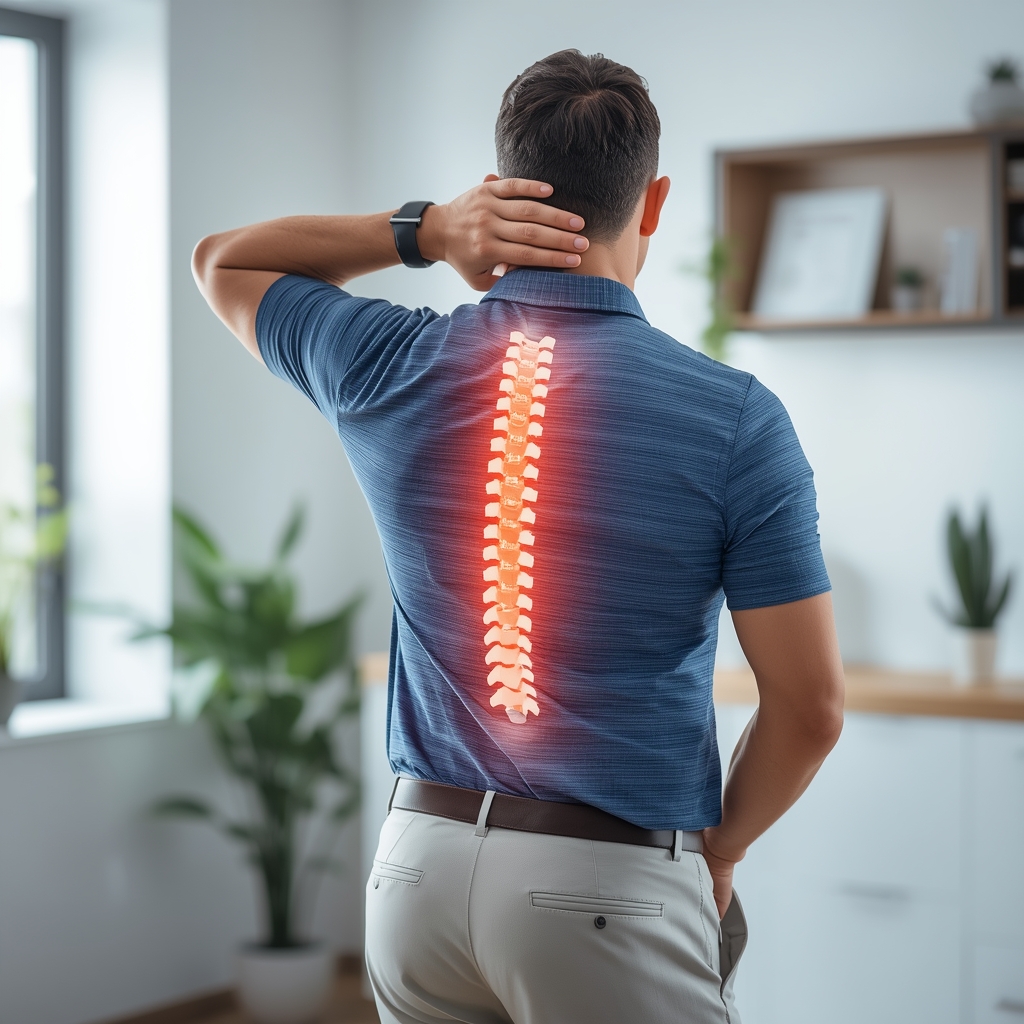
Understanding the Link Between Spinal Alignment and Flexibility
Chiropractic adjustments focus on optimizing spinal alignment, which directly impacts overall flexibility. The spine houses and protects the nervous system, which controls muscle function and joint mobility. When misalignments (subluxations) occur, they can restrict movement and reduce range of motion. For golfers, this can limit the rotational movements essential for a smooth swing. By restoring proper spinal positioning, adjustments may help loosen tight muscles, improve joint articulation, and enhance the body’s natural ability to move efficiently. This foundational support is critical for athletes seeking to maintain or regain flexibility, especially those with existing limitations.
Targeting Key Joints for Improved Range of Motion
Golf requires coordinated movement across multiple joints, including the hips, shoulders, and thoracic spine. Limited flexibility in these areas can lead to compensatory movements that strain other parts of the body. Chiropractors assess and address restrictions in these joints through targeted adjustments. For example, mobilizing the thoracic spine can enhance rotational flexibility, while hip adjustments may alleviate tightness that hinders a full swing. By focusing on these areas, chiropractic care aims to restore balanced movement patterns, reducing the risk of overuse injuries and improving overall performance on the course.
Reducing Muscle Tension and Enhancing Mobility
Chiropractic adjustments can help alleviate muscle tension that contributes to reduced flexibility. When joints are misaligned, surrounding muscles often tighten to stabilize the area, leading to stiffness and restricted movement. Adjustments release these tension points, allowing muscles to function more efficiently. This process can also improve blood flow and reduce inflammation, further supporting mobility. For golfers, relaxed, well-aligned muscles enable smoother, more controlled swings while minimizing the risk of strains or sprains. Regular adjustments may therefore play a role in maintaining optimal muscle function and flexibility over time.
Preventing Injuries Through Balanced Body Mechanics
Limitations in range of motion often lead to improper movement patterns, increasing injury risk. Chiropractic care addresses these imbalances by ensuring the body moves as a coordinated unit. For instance, a golfer with restricted hip rotation might overuse their lower back, leading to strain. By correcting such issues, adjustments help distribute forces more evenly across the body. This not only reduces the likelihood of acute injuries but also prevents chronic wear and tear. Golfers with limited flexibility may find that regular chiropractic sessions provide a proactive approach to injury prevention, supporting long-term athletic health.
The Role of the Nervous System in Movement Efficiency
The nervous system plays a central role in regulating muscle activity and joint function. Spinal misalignments can interfere with nerve signals, impairing the body’s ability to move efficiently. Chiropractic adjustments restore proper communication between the brain and muscles, enhancing coordination and responsiveness. This improved neuromuscular control can translate to better flexibility and more precise movements during a golf swing. By fostering a well-functioning nervous system, chiropractic care supports the body’s natural ability to adapt and perform, making it a valuable tool for athletes seeking to optimize their physical capabilities.
Consulting a Chiropractor for Personalized Care
While chiropractic adjustments offer potential benefits for flexibility and injury prevention, individual needs vary. A qualified chiropractor can evaluate a golfer’s specific limitations and create a tailored care plan. This may include adjustments, soft tissue therapies, and corrective exercises to address unique challenges. Golfers with limited range of motion should discuss their goals with a professional to determine the most effective approach. By combining chiropractic care with other strategies, athletes can work toward improved flexibility, reduced injury risk, and enhanced performance on the golf course.














