
Understanding the Link Between Flexibility and Golf Performance
Flexibility is critical for golfers, as it enables a full range of motion during swings and reduces injury risk. Limited mobility in key areas like the hips, shoulders, or spine can lead to compensatory movements, increasing strain on joints and muscles. Chiropractic care addresses these issues by identifying and correcting musculoskeletal imbalances. Techniques such as spinal adjustments and soft tissue therapies aim to restore natural movement patterns, supporting the body’s ability to perform athletic activities efficiently. Golfers with restricted motion often benefit from targeted interventions that enhance joint function and muscle elasticity. While individual results vary, many find that regular chiropractic care complements their training routines. Always consult a licensed chiropractor to determine the best approach for your specific needs.
Spinal Adjustments for Improved Mobility and Posture
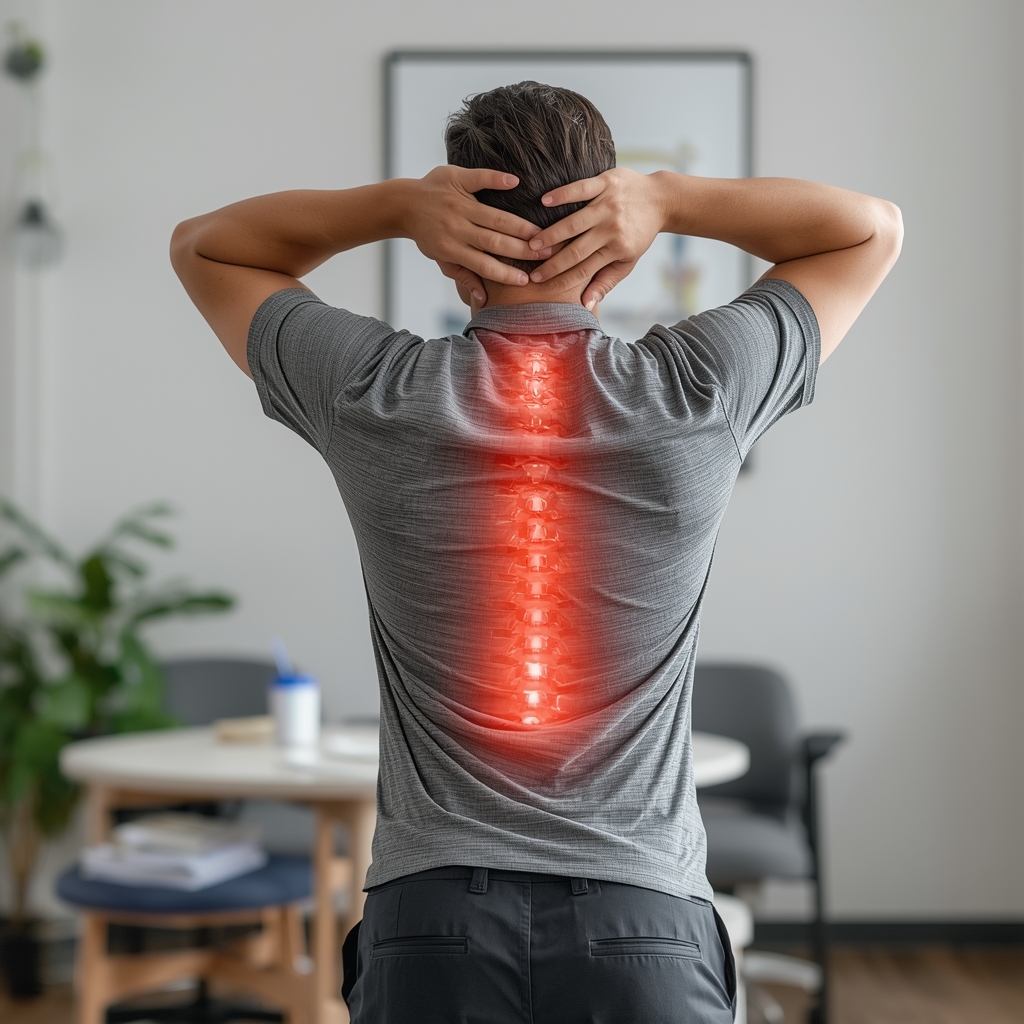
Spinal adjustments are a cornerstone of chiropractic care, particularly for athletes like golfers. By realigning the spine, these adjustments can alleviate nerve interference, improve joint mobility, and enhance overall body mechanics. For golfers with limited range of motion, misalignments in the thoracic or lumbar spine may restrict rotational movement, affecting swing efficiency. Chiropractors use precise manual techniques to restore proper spinal function, which can reduce pain and improve flexibility. This approach also supports better posture, a key factor in maintaining consistent swing form. While adjustments are generally safe, they should be performed by a qualified professional. Golfers experiencing chronic stiffness or pain should discuss this option with their chiropractor to explore its potential benefits.
Active Release Technique (ART) for Soft Tissue Health
Active Release Technique (ART) is a specialized soft tissue therapy that targets adhesions and scar tissue, which can limit flexibility and cause pain. Golfers often develop tightness in muscles like the rotator cuff, hamstrings, or hip flexors due to repetitive motion. ART involves the chiropractor applying pressure while the patient moves the affected area, breaking up restrictions and restoring normal function. This technique is particularly effective for addressing muscle imbalances that contribute to reduced range of motion. By improving tissue elasticity, ART can enhance swing mechanics and lower injury risk. While many athletes report positive outcomes, results depend on individual conditions. A chiropractor can assess whether ART is suitable for your specific needs and integrate it into a broader care plan.
Corrective Exercises to Enhance Range of Motion
Corrective exercises are tailored movements designed to address musculoskeletal imbalances and improve flexibility. For golfers, these exercises often focus on strengthening weak muscles and stretching tight ones, promoting optimal movement patterns. A chiropractor may recommend routines that target the core, hips, and shoulders—areas critical for a powerful, injury-free swing. By incorporating these exercises into their routine, golfers can enhance joint stability and reduce compensatory movements that strain the body. Consistency is key, as gradual progress leads to lasting improvements. While general guidelines exist, personalized programs are essential for addressing individual limitations. Always work with a qualified provider to ensure exercises are performed correctly and safely.
Soft Tissue Therapies for Injury Prevention
Soft tissue therapies, including massage and Graston Technique, play a vital role in maintaining muscle health and preventing injuries. These methods help reduce muscle tension, improve circulation, and break down adhesions that hinder flexibility. For golfers, tightness in the back, shoulders, or legs can disrupt swing mechanics and increase injury risk. Chiropractors may combine these therapies with adjustments to create a holistic approach to care. Regular sessions can enhance recovery between rounds and support long-term musculoskeletal health. While beneficial for many, these therapies should be part of a comprehensive plan. Discuss your goals with a chiropractor to determine the best combination of treatments for your unique situation.
Collaborative Care for Optimal Golf Performance
Chiropractic care for golfers often involves a multidisciplinary approach, integrating adjustments, soft tissue work, and exercise. This collaboration ensures that all aspects of mobility, strength, and function are addressed. By working with a chiropractor experienced in sports performance, golfers can develop a customized plan to enhance flexibility and prevent injuries. Regular assessments allow for adjustments to the care strategy as needs evolve. While chiropractic techniques offer valuable support, they are most effective when combined with proper training and recovery practices. Always seek guidance from a licensed professional to explore how these methods can benefit your game. Open communication with your chiropractor is essential for achieving the best outcomes.













