
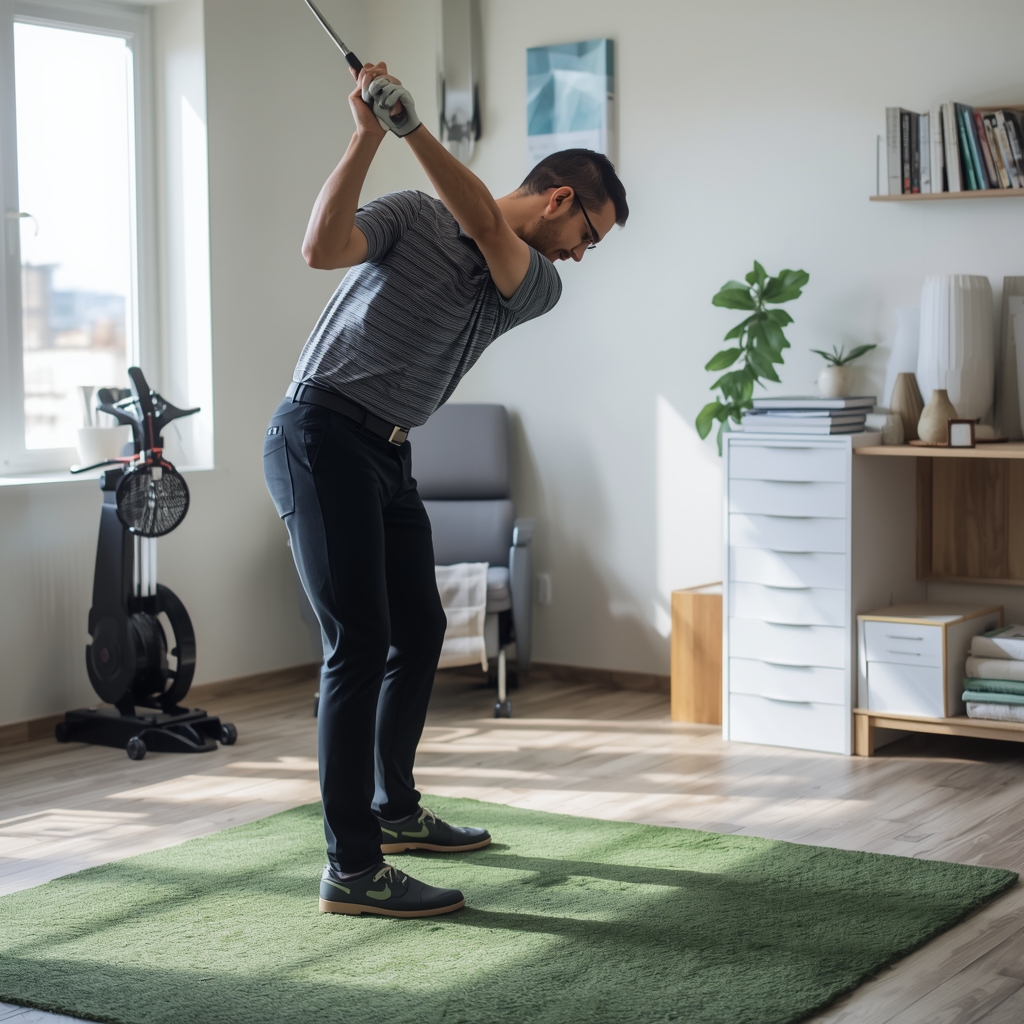
Understanding Rotational Mobility in Golf
Rotational mobility refers to the spine’s and torso’s ability to twist efficiently, a critical component of a golfer’s swing. The golf swing demands coordinated movement between the hips, core, and upper body, requiring the thoracic spine (middle back) to flex, extend, and rotate. Limited rotational mobility can lead to compensatory movements, such as excessive hip rotation or lower back strain, which reduce swing efficiency and increase injury risk. Chiropractic care focuses on optimizing spinal alignment and joint function, directly addressing these limitations. By ensuring the spine moves freely, chiropractors help golfers achieve a fuller range of motion, allowing for a smoother, more powerful swing. This foundation of mobility not only enhances performance but also protects the body from the repetitive stress of golfing. Understanding how chiropractic adjustments support rotational movement is key to unlocking a golfer’s full potential while maintaining long-term musculoskeletal health.
The Role of Spinal Alignment in Rotational Movement
The spine’s structure plays a pivotal role in rotational mobility. The thoracic vertebrae, though less flexible than the cervical (neck) and lumbar (lower back) regions, are essential for twisting motions. Misalignments or restrictions in the thoracic spine can hinder rotation, forcing the lower back to compensate. Chiropractic adjustments target these misalignments, restoring proper joint function and nerve communication. When the spine is properly aligned, the body can rotate more efficiently, reducing strain on the lumbar region. This is particularly important for golfers, as the swing’s rotational force originates from the core and transfers through the spine. By improving spinal mechanics, chiropractors help golfers maintain a stable base while generating power. Additionally, enhanced spinal mobility supports better posture, which further optimizes swing mechanics. This synergy between alignment and movement ensures that golfers can perform with greater ease and reduced risk of injury.
Chiropractic Techniques for Enhancing Rotational Mobility
Chiropractors use a variety of techniques to improve rotational mobility, tailored to each golfer’s needs. Spinal adjustments, such as diversified or activator methods, correct misalignments in the thoracic and lumbar spine, restoring natural movement patterns. Soft tissue therapies, like myofascial release, address tight muscles that restrict rotation, such as the latissimus dorsi or obliques. Instrument-assisted techniques, including the Graston Technique, break down scar tissue and adhesions that limit flexibility. Some practitioners incorporate mobility drills or corrective exercises to reinforce adjustments and build long-term stability. These methods work together to enhance the body’s ability to rotate efficiently, supporting a golfer’s swing mechanics. By combining hands-on care with targeted exercises, chiropractors help golfers achieve a balanced, pain-free range of motion. This holistic approach ensures that adjustments are not only effective but also sustainable, allowing golfers to maintain their improvements over time.
Reducing Back Strain Through Improved Mechanics
Excessive back strain during golf is often a result of poor rotational mechanics, where the spine bears more stress than it should. Chiropractic care addresses this by ensuring the body moves as intended, distributing forces evenly across the musculoskeletal system. When the spine is properly aligned, the rotational forces of the swing are absorbed by the core and hips rather than the lower back. This reduces the risk of strains, disc herniations, or facet joint pain, which are common in golfers. Additionally, improved mobility allows for a more efficient transfer of energy from the lower body to the upper body, minimizing unnecessary tension. Chiropractors also assess and correct imbalances in muscle strength or flexibility that contribute to poor swing mechanics. By addressing these factors, they help golfers maintain a healthier, more sustainable approach to the game. This proactive care not only prevents injuries but also enhances overall performance by promoting optimal movement patterns.
Complementary Therapies and Exercises for Rotational Mobility
Chiropractic adjustments are often most effective when paired with complementary therapies and exercises that reinforce mobility and strength. Stretching routines targeting the thoracic spine, such as foam rolling or cat-cow stretches, can enhance flexibility and reduce stiffness. Strengthening exercises for the core and stabilizing muscles, like planks or rotational medicine ball exercises, build the foundation needed for efficient movement. Some chiropractors recommend yoga or Pilates, which combine flexibility and strength training to support rotational mechanics. Additionally, soft tissue therapies like dry needling or massage can alleviate muscle tension that restricts movement. These approaches work in tandem with adjustments to create a balanced, functional body. Golfers who integrate these practices into their routine often experience greater ease of movement and reduced fatigue during play. By combining professional care with self-management strategies, they can maintain their improvements and continue to perform at their best.
Consulting a Chiropractor for Personalized Care
Every golfer’s body is unique, and rotational mobility needs vary based on factors like age, fitness level, and swing mechanics. A qualified chiropractor can assess individual limitations and design a tailored care plan to address specific concerns. During an evaluation, they may use motion analysis or range-of-motion tests to identify restrictions and imbalances. This personalized approach ensures that adjustments and therapies are precisely targeted to enhance performance and prevent injury. Golfers should seek a chiropractor with experience in sports performance, as they understand the demands of the game and can provide specialized guidance. Regular check-ups can also help monitor progress and make necessary adjustments to the care plan. By working closely with a chiropractor, golfers gain the tools to optimize their swing while protecting their long-term musculoskeletal health. This partnership empowers athletes to play smarter, stronger, and with greater confidence.














