
The Biomechanics of Golf and Its Impact on Hip Mobility
Golf requires a complex interplay of flexibility, balance, and rotational strength, particularly in the hips and lower back. The golf swing involves a dynamic sequence of movements that demand significant hip mobility to generate power and maintain proper form. Limited hip flexibility can lead to compensatory patterns, such as excessive lower back rotation or lateral shifting, which may increase strain on spinal structures. Over time, these imbalances can contribute to chronic discomfort or injury. Chiropractic care addresses these issues by focusing on joint alignment, soft tissue health, and neuromuscular function. By restoring optimal hip mechanics, chiropractors help golfers achieve a more efficient swing while reducing the risk of overuse injuries. This foundational approach supports long-term athletic performance and comfort on the course.
How Lower Back Strain Develops in Golfers
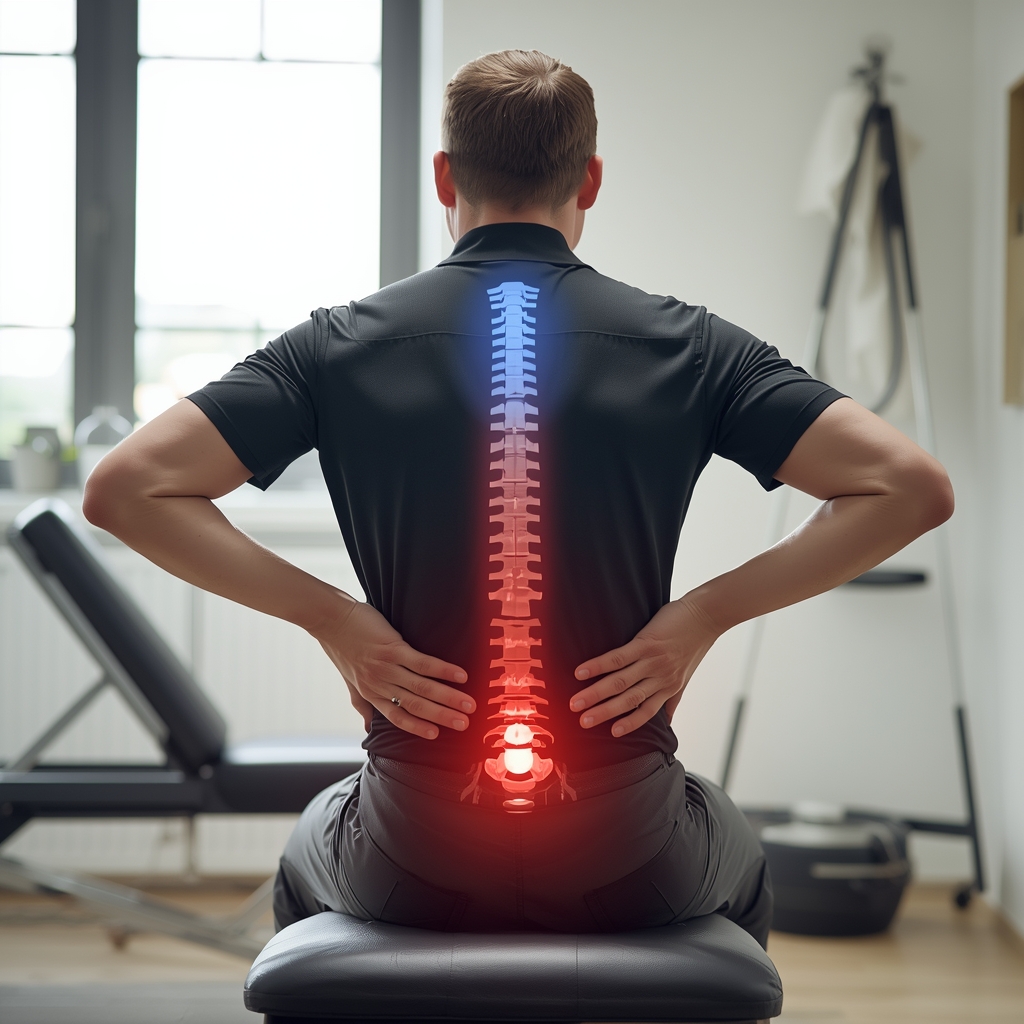
The lower back is particularly vulnerable during golf due to the repetitive twisting and bending motions inherent in the sport. Poor hip mobility often forces the lumbar spine to compensate, leading to increased pressure on discs, facet joints, and surrounding muscles. This can result in conditions like lumbar strain, sciatica, or sacroiliac joint dysfunction. Golfers may also experience pain from improper weight transfer or poor posture during their swing. Chiropractic adjustments aim to alleviate this strain by improving spinal alignment and reducing nerve interference. Techniques such as spinal manipulation and soft tissue therapy can restore natural movement patterns, allowing the lower back to function more efficiently. Addressing these issues early can prevent chronic pain and enhance overall golf performance.
Chiropractic Techniques to Improve Hip Mobility
Chiropractors use a variety of techniques to enhance hip mobility, tailored to the specific needs of golfers. Spinal adjustments help realign the pelvis and lumbar spine, reducing restrictions that limit hip movement. Soft tissue therapies, such as Active Release Technique (ART), target tight muscles and fascia around the hips, improving flexibility and range of motion. Mobilization exercises and joint manipulation of the hip itself can also be beneficial, especially for golfers with stiffness in the acetabulum or femoral head. These interventions work together to restore natural biomechanics, allowing for a more fluid and powerful golf swing. By addressing both structural and muscular imbalances, chiropractic care supports the body’s ability to move efficiently and with less discomfort.
Reducing Lower Back Strain Through Spinal Alignment
Proper spinal alignment is critical for minimizing lower back strain in golfers. When the spine is misaligned, it can create uneven stress on the lumbar region, exacerbating pain during repetitive movements. Chiropractic adjustments correct these misalignments, restoring balance to the musculoskeletal system. This not only reduces immediate discomfort but also prevents long-term damage from chronic poor posture or movement patterns. Techniques like diversified spinal manipulation or flexion-distraction therapy can relieve pressure on spinal nerves and discs, promoting healing. Additionally, chiropractors often incorporate rehabilitative exercises to strengthen core muscles, which provide essential support for the lower back during golf swings. These combined approaches help golfers maintain a healthier, more resilient spine.
Enhancing Athletic Performance with Chiropractic Care
By addressing biomechanical inefficiencies, chiropractic care can significantly enhance a golfer’s performance. Improved hip mobility allows for greater rotational power, while reduced lower back strain enables more consistent and pain-free swings. Golfers who receive regular chiropractic adjustments often report increased flexibility, better balance, and faster recovery between rounds. These benefits stem from the body’s ability to move more efficiently, with less energy wasted on compensatory movements. Chiropractors may also recommend sport-specific exercises to reinforce these improvements, ensuring long-term results. For golfers seeking to maintain or elevate their game, integrating chiropractic care into their routine can provide a competitive edge while supporting overall musculoskeletal health.
Consulting a Chiropractor for Personalized Care
Every golfer’s body is unique, and the effectiveness of chiropractic care depends on individualized assessment and treatment. A qualified chiropractor will evaluate a golfer’s posture, range of motion, and movement patterns to identify specific areas of concern. This tailored approach ensures that adjustments and therapies address the root causes of hip mobility issues or lower back strain. Golfers should discuss their goals and any existing discomfort with their chiropractor to create a customized care plan. While chiropractic care offers valuable support, it is most effective when combined with other strategies like proper warm-ups, strength training, and ergonomic adjustments. Working with a skilled provider helps golfers achieve optimal results and maintain long-term musculoskeletal health.













