
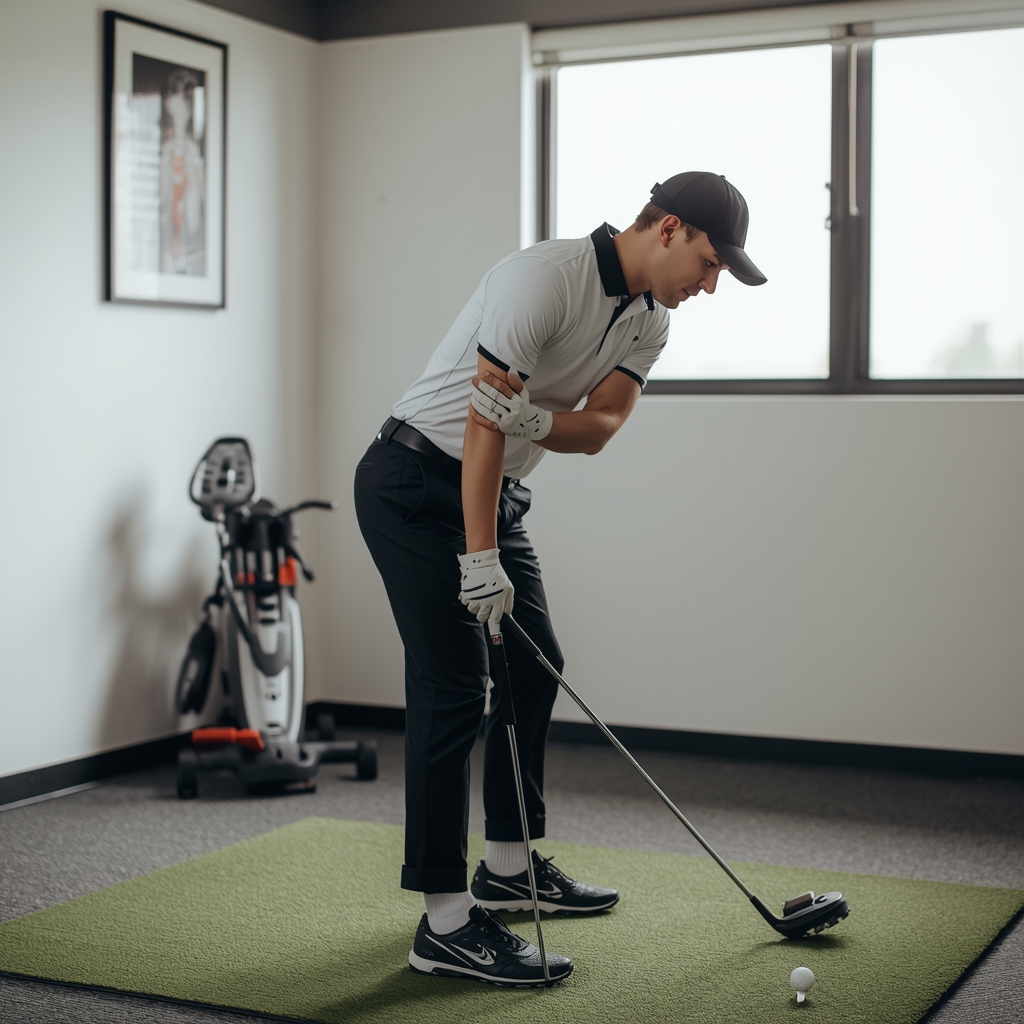
Understanding the Link Between Hip Mobility and Golf Performance
Hip mobility plays a critical role in a golfer’s swing mechanics and overall performance. Limited flexibility in the hips can restrict rotational movement, leading to compensatory patterns that strain other parts of the body, such as the lower back or shoulders. This reduced range of motion may also increase the risk of injuries, including strains or joint discomfort. For golfers with existing mobility issues, maintaining optimal hip function is essential to sustain a consistent, injury-free swing. Chiropractic care addresses these concerns by focusing on the musculoskeletal system, particularly the joints, muscles, and nerves that influence movement. By improving alignment and function, chiropractors help golfers achieve greater flexibility, which can enhance both power and precision during play. This foundational approach supports long-term athletic performance and reduces the likelihood of chronic issues. Understanding how the body’s structure impacts movement is key to appreciating the role of chiropractic care in this context.
How Chiropractic Adjustments Enhance Hip Mobility
Chiropractic adjustments target misalignments in the spine and pelvis, which can directly affect hip mobility. When the pelvis is out of balance, it can create tension in the surrounding muscles and restrict the hip joint’s natural movement. Through precise, controlled manipulations, chiropractors restore proper alignment, reducing pressure on nerves and improving joint function. This process can alleviate pain and stiffness, allowing for a broader range of motion. Additionally, adjustments may help correct postural imbalances that contribute to limited flexibility. For golfers, this means a more efficient swing with less strain on the body. Chiropractors often combine adjustments with soft tissue techniques to further relax tight muscles and enhance mobility. By addressing both structural and muscular factors, this holistic approach supports the body’s ability to move freely. Regular sessions can help maintain these improvements, ensuring that golfers retain their flexibility over time. This proactive strategy is especially valuable for those with chronic mobility challenges.
Preventing Injuries Through Targeted Chiropractic Care
Golfers with limited hip flexibility are more susceptible to injuries due to the repetitive, rotational nature of the sport. Chiropractic care helps mitigate this risk by identifying and addressing potential problem areas before they escalate. For instance, a chiropractor might detect muscle imbalances or joint restrictions that could lead to strains or sprains. By correcting these issues early, golfers can avoid common injuries such as hip flexor tears or lower back pain. Additionally, chiropractors often recommend corrective exercises to strengthen the muscles supporting the hips, further reducing injury risk. These exercises, tailored to the individual’s needs, improve stability and coordination. Chiropractic care also emphasizes the importance of proper warm-up and cool-down routines, which are crucial for maintaining flexibility. By combining manual adjustments with lifestyle guidance, chiropractors empower golfers to protect their bodies. This preventive focus not only supports current performance but also promotes long-term joint health. Regular check-ups can help sustain these benefits, ensuring golfers remain injury-free.
Integrating Chiropractic Care with Golf-Specific Training
Chiropractic care works best when integrated with other golf-specific training methods. A chiropractor may collaborate with fitness professionals to create a comprehensive plan that addresses both mobility and strength. For example, flexibility exercises targeting the hips can be combined with chiropractic adjustments to maximize results. This synergy ensures that golfers not only gain mobility but also develop the muscular support needed for a stable swing. Chiropractors often emphasize the importance of dynamic stretching and mobility drills, which can be incorporated into a golfer’s routine. These practices help maintain the improvements achieved through adjustments and prevent future restrictions. Additionally, chiropractic care can aid in recovery after intense training or competition by reducing inflammation and promoting tissue repair. Golfers who adopt this integrated approach often experience better performance and fewer setbacks. By aligning chiropractic care with athletic training, golfers can achieve a balanced, sustainable path to success. This collaborative strategy highlights the value of a multidisciplinary approach to sports performance.
The Role of Soft Tissue Techniques in Hip Mobility
Soft tissue techniques, such as Active Release Technique (ART) and myofascial release, are valuable tools in improving hip mobility. These methods target tight muscles, adhesions, and scar tissue that can limit movement and cause discomfort. By breaking down these restrictions, chiropractors help restore natural flexibility and reduce pain. For golfers, this means improved rotation and a more efficient swing. ART, in particular, is effective for addressing issues in the hip flexors, hamstrings, and glutes—muscles critical to golf performance. Chiropractors may also use massage therapy or instrument-assisted techniques to enhance these effects. These approaches complement spinal adjustments by ensuring that surrounding tissues are also optimized. Regular sessions can prevent the buildup of tension that often accompanies repetitive motions. Golfers who incorporate soft tissue work into their care plan often report greater comfort and range of motion. This holistic strategy supports long-term mobility and reduces the risk of overuse injuries. Combining these techniques with other chiropractic methods creates a well-rounded approach to hip health.
Consulting a Chiropractor for Personalized Care
Every golfer’s needs are unique, making personalized chiropractic care essential for optimal results. A qualified chiropractor will conduct a thorough assessment to identify specific mobility limitations, postural issues, or areas of tension. This evaluation may include movement analysis, muscle strength testing, and a review of the golfer’s training routine. Based on these findings, the chiropractor can develop a tailored care plan that addresses individual concerns. For golfers with limited flexibility, this might involve a combination of adjustments, soft tissue work, and rehabilitative exercises. Regular follow-ups allow for adjustments to the plan as progress is made. It’s important to note that chiropractic care is not a one-size-fits-all solution. What works for one golfer may not suit another, highlighting the need for professional guidance. By working closely with a chiropractor, golfers can ensure their care aligns with their goals and physical condition. This collaborative approach fosters long-term mobility and injury prevention, supporting a healthier, more enjoyable golfing experience.












