
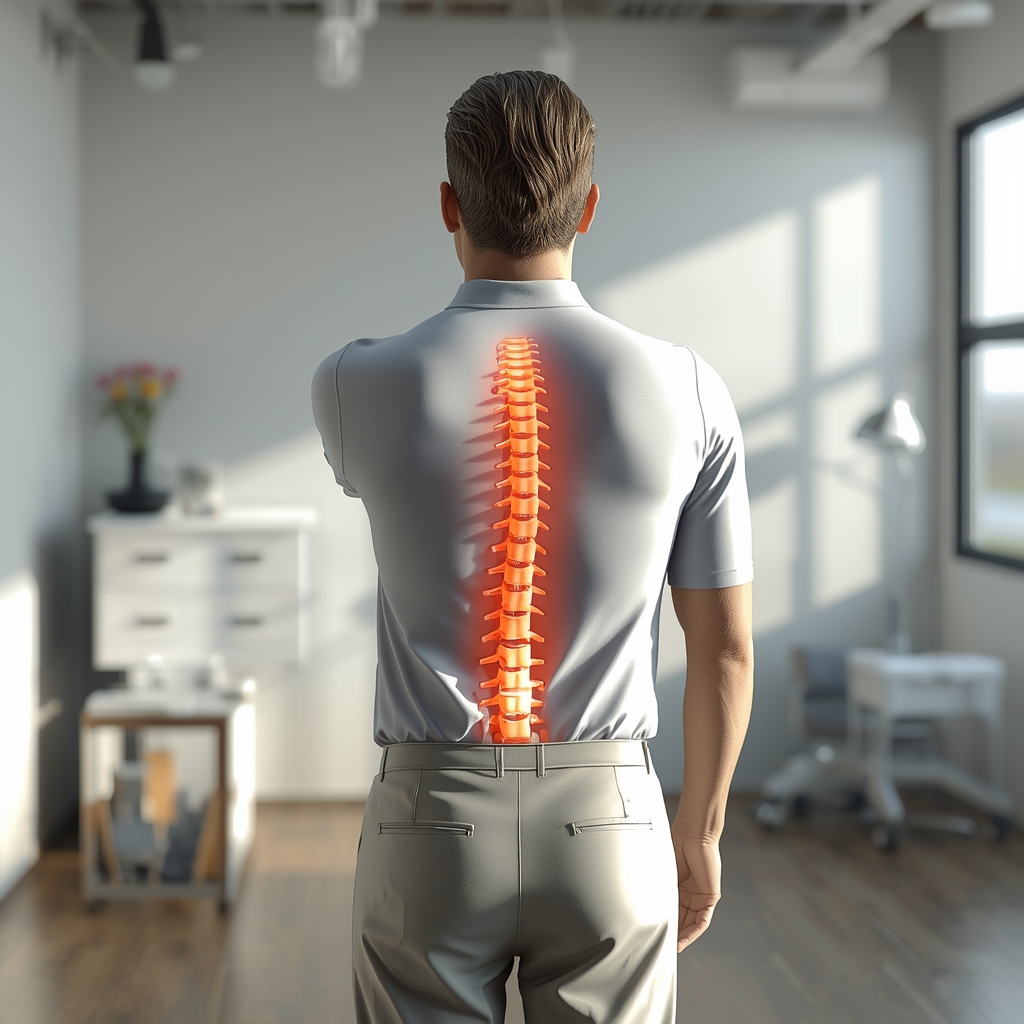
Understanding Rotational Spine Strain in Golf
Golfers rely on precise, rotational movements during their swing, which places unique demands on the spine. The twisting motion engages the thoracic and lumbar regions, often leading to strain if biomechanics are imbalanced. Core stability is critical for distributing force efficiently and protecting the spine from excessive stress. When the core muscles are weak or misaligned, golfers may experience reduced power, increased injury risk, and discomfort. Chiropractic care addresses these challenges by focusing on spinal alignment and neuromuscular coordination, ensuring the body can handle the rotational forces inherent to the sport.
The Role of Core Stability in Golf Performance
Core stability acts as the foundation for a golfer’s swing mechanics, providing balance, power, and control. A strong, stable core helps maintain proper posture during the swing, reducing unnecessary strain on the spine and joints. Weakness or misalignment in the core can lead to compensatory movements, increasing the likelihood of injury. Chiropractic adjustments support core function by improving spinal mobility and nerve communication, which enhances muscle activation and coordination. This synergy between spinal health and core strength allows golfers to generate more force efficiently while minimizing the risk of rotational spine strain during play.
How Chiropractic Adjustments Support Core Stability
Chiropractic adjustments target misalignments in the spine, particularly in the thoracic and lumbar regions, which are heavily involved in rotational movements. By restoring proper joint mobility and reducing nerve interference, adjustments can enhance the body’s ability to engage core muscles effectively. This improved neuromuscular connection helps golfers maintain better posture and control during their swing. Additionally, adjustments may alleviate muscle tension that contributes to instability, allowing the core to function more efficiently. While results vary, many athletes report improved performance and reduced discomfort after consistent chiropractic care tailored to their sport’s demands.
Golf-Specific Adjustments and Techniques
Chiropractors specializing in sports performance often use techniques designed to address the unique stresses of golf. These may include spinal manipulations to correct rotational imbalances, soft tissue therapies to relieve muscle tightness, and exercises to strengthen stabilizing muscles. Adjustments focus on the thoracic spine, sacroiliac joints, and cervical regions, which are critical for rotational force transfer. By integrating these methods, chiropractors help golfers achieve optimal biomechanics, reducing strain on the spine during swings. However, the effectiveness of these interventions depends on individual needs, making personalized assessments essential for tailored care plans.
Enhancing Biomechanics for Better Swing Mechanics
Proper spinal alignment and core engagement are foundational for efficient golf swing mechanics. Chiropractic care supports this by ensuring joints move freely and muscles work in harmony, which enhances the body’s ability to generate power. When the spine is properly aligned, golfers can rotate more effectively, reducing the load on the lower back and increasing swing speed. Adjustments may also improve proprioception—the body’s awareness of movement—helping golfers maintain consistent form. While these benefits are widely observed, they should be discussed with a qualified provider to determine how they apply to specific cases and goals.
Collaborating with a Chiropractor for Personalized Care
Each golfer’s biomechanics and injury history are unique, making personalized chiropractic care essential. A chiropractor can assess spinal alignment, muscle imbalances, and movement patterns to create a tailored plan. This may involve regular adjustments, rehabilitative exercises, and lifestyle recommendations to support long-term core stability. Golfers should consult with a provider experienced in sports performance to ensure interventions align with their goals. While chiropractic care can complement training, it is not a substitute for professional medical advice. Open communication with a qualified provider helps optimize outcomes and address specific concerns related to rotational spine strain.













