
Understanding Cold Laser Therapy and Rotator Cuff Injuries
Cold laser therapy, also known as low-level laser therapy (LLLT), uses specific wavelengths of light to stimulate cellular function and promote healing. Rotator cuff injuries, which involve the tendons and muscles surrounding the shoulder joint, often cause pain, limited mobility, and inflammation. While traditional treatments focus on reducing symptoms, cold laser therapy aims to address underlying tissue damage. By targeting the affected area, this therapy may enhance recovery by improving blood flow, reducing swelling, and supporting tissue regeneration. It is often used alongside other chiropractic techniques to create a holistic approach to healing. Understanding how cold laser therapy interacts with the body’s natural repair processes is key to appreciating its potential role in managing rotator cuff injuries.
How Cold Laser Therapy Promotes Tissue Repair
Cold laser therapy works by delivering light energy to damaged tissues, which is absorbed by cells and converted into biochemical energy. This process, known as photobiomodulation, can stimulate ATP production, reduce oxidative stress, and enhance cellular metabolism. For rotator cuff injuries, this may accelerate the repair of torn or inflamed tendons and muscles. The therapy also has anti-inflammatory effects, which can alleviate pain and swelling. By improving circulation and oxygen delivery to the injured area, cold laser therapy may support faster recovery. While research on its efficacy for specific conditions is ongoing, many practitioners report positive outcomes when integrating it into treatment plans. It is important to note that results vary, and individual responses should be discussed with a qualified healthcare provider.
The Role of Spinal Adjustments in Recovery
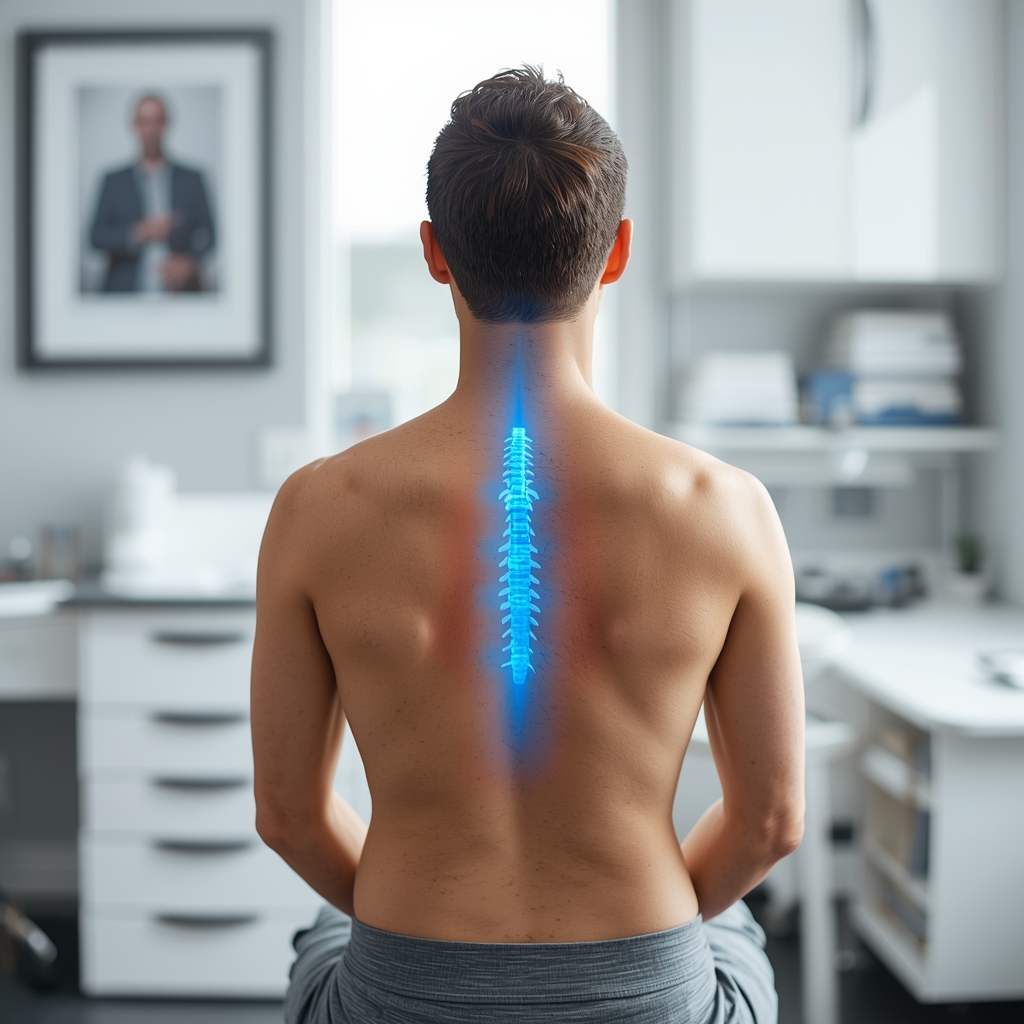
Spinal adjustments, a core component of chiropractic care, focus on correcting misalignments in the spine that may contribute to musculoskeletal imbalances. For rotator cuff injuries, spinal misalignments—particularly in the cervical or thoracic regions—can affect nerve function and muscle coordination. By restoring proper spinal alignment, adjustments may reduce pressure on nerves, improve posture, and enhance overall musculoskeletal function. This can indirectly support shoulder recovery by addressing potential contributing factors. Additionally, spinal adjustments may alleviate referred pain or tension that radiates from the neck to the shoulder area. When combined with cold laser therapy, this dual approach targets both local tissue repair and systemic musculoskeletal health, offering a comprehensive strategy for recovery.
Synergistic Effects of Combining Both Therapies
When cold laser therapy and spinal adjustments are used together, they may create a synergistic effect that enhances recovery outcomes. Cold laser therapy addresses localized tissue damage, while spinal adjustments tackle broader musculoskeletal imbalances. This combination can improve nerve function, reduce inflammation, and promote better mobility. For example, spinal adjustments may relieve pressure on nerves that affect shoulder movement, while cold laser therapy accelerates healing in the rotator cuff area. The two therapies also work on different aspects of the body’s healing mechanisms—cold laser stimulates cellular repair, and spinal adjustments optimize biomechanical function. Together, they may provide more comprehensive relief than either approach alone. However, treatment plans should be tailored to individual needs, as each patient’s condition and response to therapy can vary.
Patient Considerations and Treatment Planning
When considering cold laser therapy and spinal adjustments for rotator cuff injuries, patients should work closely with a licensed chiropractor to develop a personalized treatment plan. Factors such as the severity of the injury, overall health, and response to previous treatments will influence the approach. Cold laser therapy is generally safe, but its effectiveness may depend on the device’s specifications and the practitioner’s technique. Spinal adjustments require careful assessment to ensure proper alignment and avoid unnecessary strain. Patients should communicate openly with their provider about symptoms, expectations, and any concerns. Regular follow-ups allow for adjustments to the treatment plan as needed. While these therapies can support recovery, they are not a substitute for medical evaluation or other necessary interventions. A collaborative approach ensures the best possible outcomes.
Conclusion: Integrating Cold Laser and Spinal Care
Combining cold laser therapy with spinal adjustments offers a multifaceted approach to recovering from rotator cuff injuries. Cold laser therapy supports tissue repair and reduces inflammation, while spinal adjustments address musculoskeletal imbalances that may contribute to the injury. This integrated strategy can enhance mobility, alleviate pain, and promote long-term recovery. However, the effectiveness of these treatments depends on individual factors, and professional guidance is essential. Patients should discuss their options with a qualified chiropractor to determine the most suitable plan. As research continues to explore the benefits of these therapies, their role in injury recovery remains an area of growing interest. By combining evidence-based practices with personalized care, patients can take a proactive step toward restoring function and improving their quality of life.














