
Understanding Fibromyalgia and the Role of Complementary Therapies
Fibromyalgia is a chronic condition characterized by widespread musculoskeletal pain, fatigue, and heightened sensitivity to pressure. While the exact cause remains unclear, it often involves dysregulation of the nervous system and altered pain processing. Traditional treatments may include medication, physical therapy, and lifestyle adjustments. Complementary therapies, such as cold laser therapy and spinal adjustments, are increasingly explored to address symptoms holistically. These approaches aim to reduce pain, improve mobility, and support the body’s natural healing mechanisms without relying solely on pharmaceuticals. By integrating multiple strategies, patients may experience more balanced relief and enhanced quality of life.
How Cold Laser Therapy Works for Pain Relief
Cold laser therapy, also known as low-level laser therapy (LLLT), uses specific wavelengths of light to stimulate cellular function and reduce inflammation. The therapy is non-invasive and typically painless, making it a viable option for sensitive patients. It is believed to enhance ATP production in cells, promote tissue repair, and modulate nerve activity. For fibromyalgia, this can translate to reduced pain intensity and improved circulation in affected areas. While research on its efficacy for fibromyalgia is ongoing, many patients report localized pain relief and increased comfort after sessions. Its ability to target specific regions without systemic side effects makes it a valuable tool in a multidisciplinary care plan.
The Benefits of Spinal Adjustments for Fibromyalgia
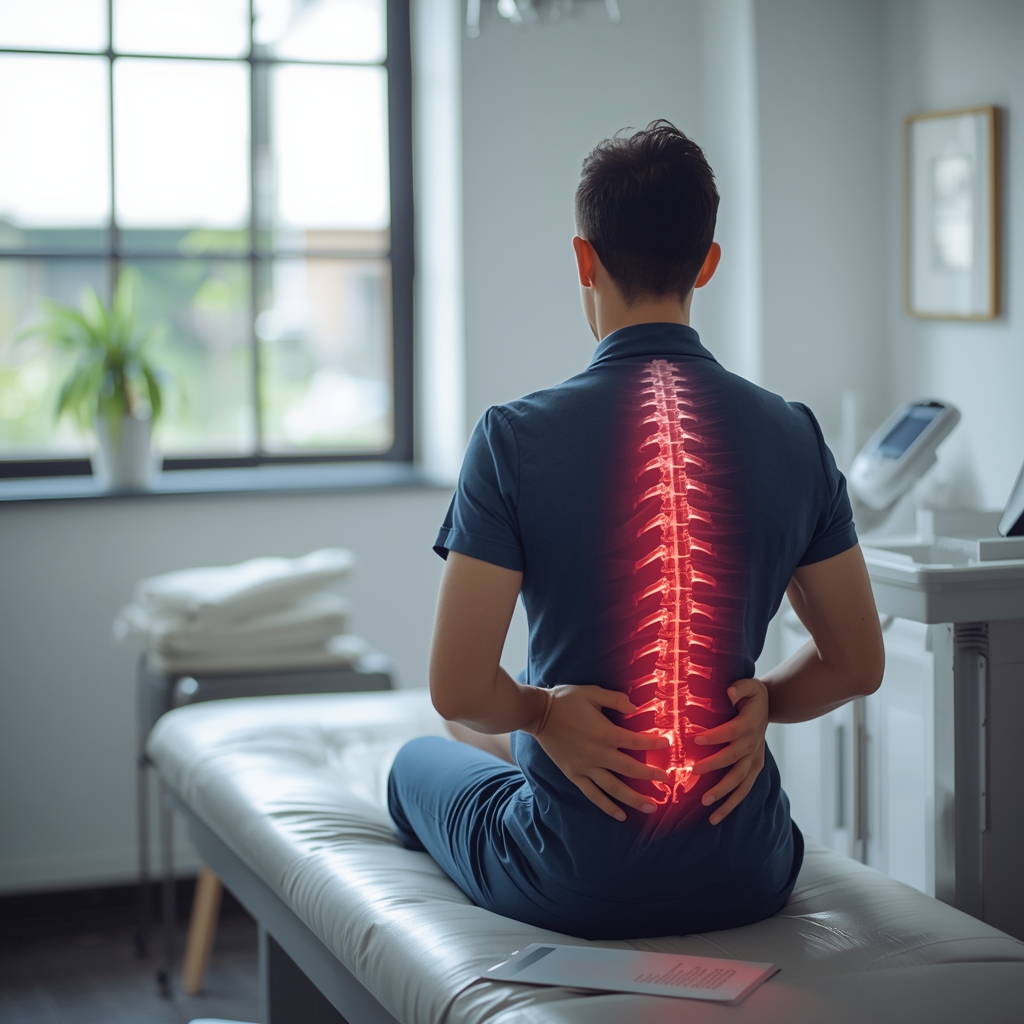
Spinal adjustments, a cornerstone of chiropractic care, focus on correcting misalignments in the spine to restore proper function to the nervous system. For fibromyalgia patients, these adjustments may help alleviate pressure on nerves, reduce muscle tension, and improve overall posture. By addressing spinal dysfunctions, chiropractors aim to decrease pain signals and enhance the body’s ability to self-regulate. Many individuals with fibromyalgia experience improved mobility and reduced discomfort after regular adjustments. However, the approach is tailored to each patient’s needs, emphasizing gentle techniques to avoid exacerbating symptoms. When combined with other therapies, spinal adjustments can contribute to a more comprehensive pain management strategy.
Combining Cold Laser Therapy and Spinal Adjustments
The integration of cold laser therapy with spinal adjustments creates a synergistic effect, addressing both localized and systemic aspects of fibromyalgia pain. Cold laser therapy can target specific areas of inflammation or nerve sensitivity, while spinal adjustments work to realign the spine and optimize nervous system function. This dual approach may reduce pain more effectively than either method alone, as they address different contributing factors. For example, laser therapy might ease muscle tightness in the neck, while adjustments improve spinal stability and nerve communication. Patients often report faster relief and longer-lasting benefits when these therapies are used together, highlighting the value of a collaborative, patient-centered care model.
Enhancing Recovery Through Integrated Care
Combining cold laser therapy and spinal adjustments allows for a more holistic approach to fibromyalgia management, addressing both physical and neurological components of the condition. This integration can lead to reduced reliance on medications, fewer flare-ups, and improved daily functioning. By targeting pain at multiple levels—through tissue repair, nerve modulation, and structural alignment—patients may experience greater overall comfort. Additionally, the non-invasive nature of these therapies makes them suitable for long-term use. However, results vary, and it is essential to work with a qualified chiropractor to develop a personalized plan. Regular assessments and adjustments ensure that the treatment remains effective and aligned with the patient’s evolving needs.
Consulting a Chiropractor for Personalized Guidance
While cold laser therapy and spinal adjustments show promise for fibromyalgia, their effectiveness depends on individual factors such as symptom severity, overall health, and treatment history. A chiropractor can evaluate a patient’s condition and recommend a tailored approach, incorporating these therapies alongside other supportive strategies. It is important to communicate openly with healthcare providers to ensure safety and compatibility with existing treatments. Patients should also be aware that results may take time and require consistent care. By combining evidence-based practices with a focus on patient well-being, chiropractors can help individuals with fibromyalgia achieve meaningful improvements in their quality of life.














