
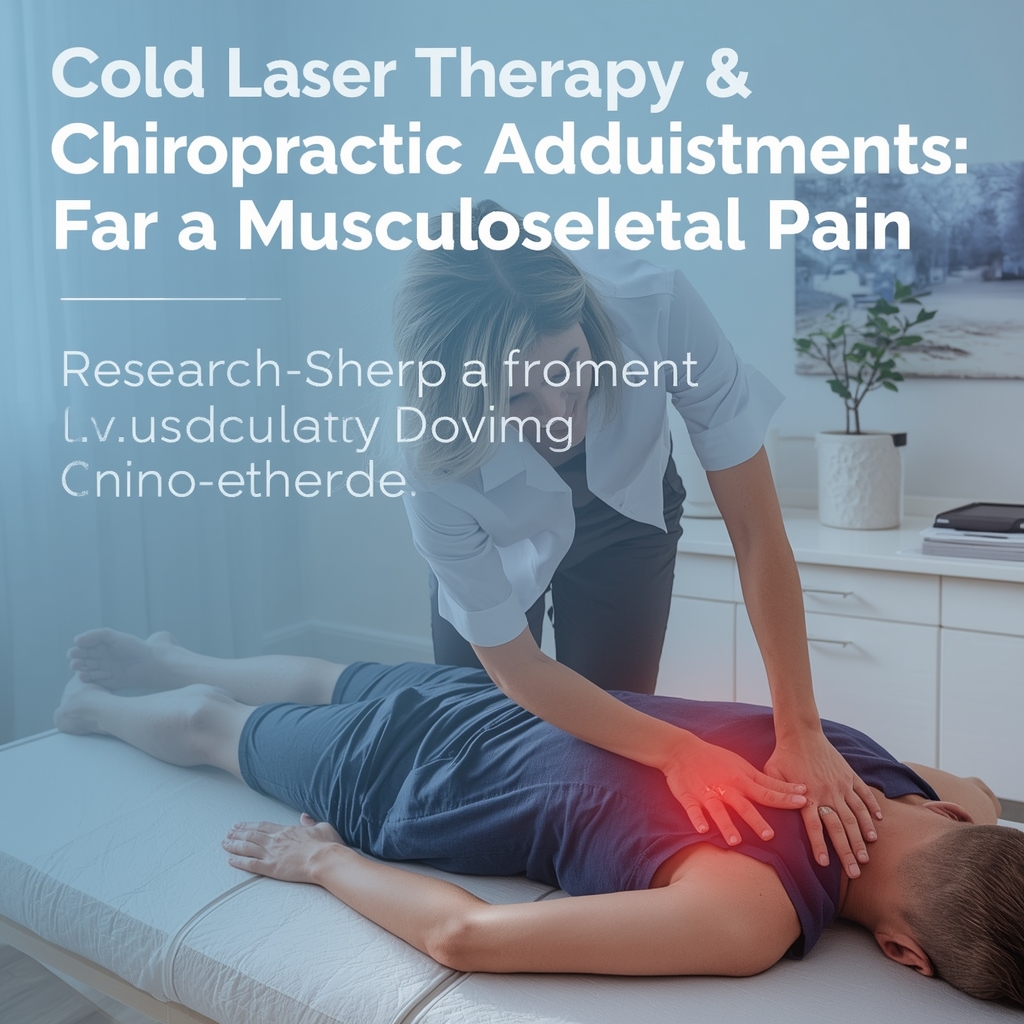
Understanding Cold Laser Therapy and Chiropractic Adjustments
Cold laser therapy, also known as low-level laser therapy (LLLT), uses specific wavelengths of light to stimulate cellular function and promote healing. When combined with traditional chiropractic adjustments, which focus on aligning the spine and improving musculoskeletal function, this integrative approach aims to enhance recovery outcomes. Chiropractic adjustments address structural imbalances, while cold laser therapy targets inflammation and tissue repair. Together, they create a complementary strategy for managing pain and improving mobility. This combination is often explored for conditions like back pain, joint inflammation, and soft tissue injuries. While both modalities have individual evidence supporting their efficacy, their integration is gaining attention for potential synergistic benefits. Understanding how these treatments interact can help patients and practitioners make informed decisions about their care plans.
Research-Backed Benefits of Integrated Care
Studies suggest that combining cold laser therapy with chiropractic adjustments may offer enhanced relief for musculoskeletal pain. Research indicates that cold laser therapy can reduce inflammation and accelerate tissue repair, which may support the spine and joint realignment achieved through adjustments. For example, a review of clinical trials found that patients receiving both treatments reported greater pain reduction compared to those receiving adjustments alone. Another study highlighted improved functional outcomes in individuals with chronic lower back pain when cold laser therapy was incorporated into their care. These findings align with broader trends in integrative medicine, which emphasize multimodal approaches for complex conditions. While more large-scale research is needed, the existing evidence supports the value of combining these therapies to address pain from multiple angles.
Mechanisms of Action in Musculoskeletal Healing
The combined effects of cold laser therapy and chiropractic adjustments stem from their distinct yet complementary mechanisms. Chiropractic adjustments physically correct misalignments, reducing pressure on nerves and improving joint mobility. Cold laser therapy, on the other hand, works at the cellular level by increasing ATP production, reducing oxidative stress, and modulating inflammatory responses. This dual approach may optimize healing by addressing both structural and biochemical factors contributing to pain. For instance, laser therapy can enhance the body’s natural repair processes, while adjustments restore proper biomechanics. Together, they may create a more comprehensive healing environment, particularly for conditions involving both mechanical stress and inflammatory components. These mechanisms underscore why practitioners often explore integrated care for patients seeking non-invasive, drug-free solutions.
Clinical Applications and Patient Outcomes
Clinicians increasingly use cold laser therapy alongside chiropractic adjustments to treat a range of musculoskeletal issues, including arthritis, sports injuries, and postural imbalances. Patient reports often highlight reduced pain intensity and improved range of motion following combined treatments. For example, individuals with osteoarthritis may experience less joint stiffness after a series of sessions, while athletes recovering from soft tissue injuries might see faster return to activity. These outcomes align with the growing emphasis on personalized, multidisciplinary care in modern healthcare. While individual responses vary, the integration of these therapies allows for tailored treatment plans that address both immediate symptoms and underlying causes. As more practitioners adopt this approach, ongoing clinical observations continue to refine best practices for optimal results.
Safety and Considerations in Combined Treatments
Both cold laser therapy and chiropractic adjustments are generally considered safe when administered by qualified professionals. However, patients should discuss their medical history and current conditions with their provider to ensure compatibility. For instance, individuals with certain skin conditions or photosensitivity may need to avoid laser therapy, while those with severe osteoporosis require careful adjustment techniques. It is also important to note that these treatments are not substitutes for medical care in acute or severe cases. Practitioners typically monitor patient progress closely, adjusting protocols as needed. Open communication between patients and providers is essential to address any concerns and optimize outcomes. By prioritizing safety and individualized care, integrated treatments can provide effective support for musculoskeletal health.
The Future of Integrated Musculoskeletal Care
As research into integrative therapies expands, the combination of cold laser therapy and chiropractic adjustments may play a larger role in musculoskeletal treatment. Advances in technology and clinical studies could further clarify their combined efficacy and ideal applications. Practitioners are increasingly adopting evidence-based approaches that blend traditional and modern techniques, reflecting a shift toward holistic care. Patients seeking alternatives to medication or surgery may find value in this integrated model, which emphasizes natural healing processes. While more rigorous studies are needed to establish standardized protocols, the current evidence supports the potential of these therapies to complement each other. As the field evolves, ongoing collaboration between researchers and clinicians will be key to refining and validating these approaches for broader use.












