
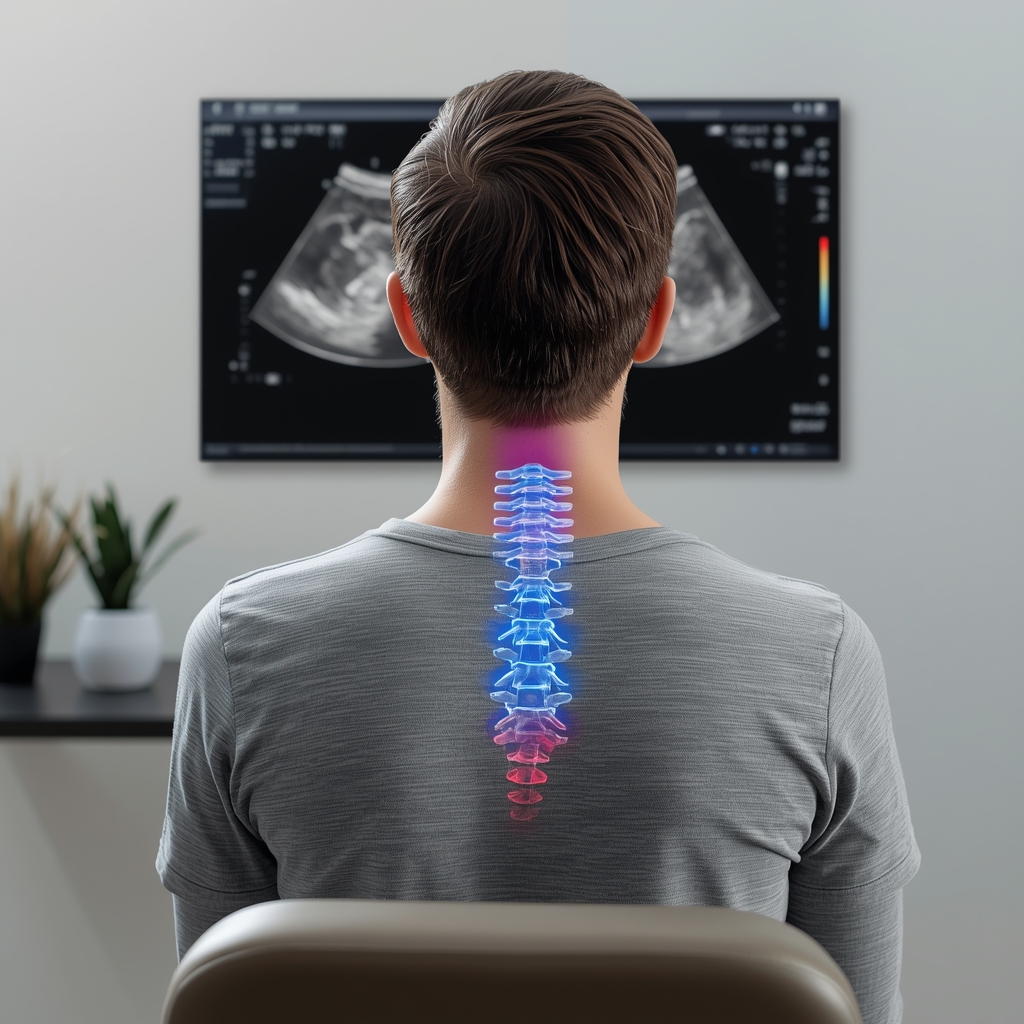
Understanding Real-Time Ultrasound Imaging in Chiropractic Care
Real-time ultrasound imaging is a cutting-edge tool that allows chiropractors to visualize spinal structures during patient visits. This technology uses high-frequency sound waves to create dynamic, real-time images of the spine, muscles, and soft tissues. Unlike static imaging methods like X-rays, ultrasound provides immediate feedback, enabling chiropractors to observe movement and alignment changes as they occur. This capability is particularly valuable for demonstrating how adjustments affect the spine, offering patients a clear, visual representation of their progress. By integrating ultrasound into consultations, chiropractors can bridge the gap between technical adjustments and patient understanding, fostering greater trust and engagement in the care process.
Enhancing Patient Education Through Visual Feedback
One of the primary benefits of real-time ultrasound is its ability to transform abstract concepts into tangible visuals. Patients often struggle to grasp how spinal misalignments or muscle tension impact their health. With ultrasound, chiropractors can show live images of the spine before and after adjustments, highlighting improvements in alignment or reduced muscle strain. This visual confirmation helps patients see the direct effects of treatment, making it easier to comprehend the importance of ongoing care. Additionally, it empowers patients to take an active role in their recovery by providing them with concrete evidence of their progress, which can improve adherence to recommended treatment plans.
Integrating Ultrasound into Chiropractic Visits
During a typical visit, chiropractors may use ultrasound to assess spinal structures, identify areas of concern, and demonstrate the impact of adjustments. For example, a patient with chronic lower back pain might see real-time images of their lumbar spine before and after an adjustment, revealing improved alignment or reduced pressure on nerves. This process not only validates the effectiveness of the treatment but also helps patients understand the underlying causes of their symptoms. By incorporating ultrasound into routine evaluations, chiropractors can create a more interactive and informative experience, addressing patient questions and concerns with visual clarity. The technology also allows for tracking long-term changes, providing a comprehensive view of a patient’s progress over time.
Addressing Common Concerns About Ultrasound Safety
Patients may have questions about the safety and appropriateness of ultrasound imaging. It is important to note that ultrasound does not involve ionizing radiation, making it a safer alternative to X-rays for repeated use. Chiropractors can explain that the technology is non-invasive and has no known harmful effects when used correctly. However, it is essential to emphasize that ultrasound should be performed by trained professionals who understand its limitations and proper application. While it provides valuable insights, it is not a substitute for other diagnostic tools like MRI or CT scans. By addressing these concerns openly, chiropractors can build patient confidence and ensure that the technology is used responsibly as part of a broader care strategy.
Supporting Evidence-Based Chiropractic Practices
The use of real-time ultrasound aligns with the growing emphasis on evidence-based practices in chiropractic care. By providing objective, visual data, chiropractors can reinforce the scientific foundation of their treatments and demonstrate measurable outcomes. This approach not only strengthens patient trust but also supports professional credibility within the broader healthcare community. While research on ultrasound in chiropractic settings is still evolving, its ability to enhance communication and transparency makes it a valuable addition to clinical practice. As technology advances, its role in chiropractic care is likely to expand, offering even more opportunities to improve patient education and treatment effectiveness.
Conclusion: A Tool for Better Communication and Outcomes
Real-time ultrasound imaging offers chiropractors a powerful way to demonstrate spinal alignment improvements and educate patients during visits. By providing visual evidence of treatment effects, this technology fosters greater understanding, trust, and engagement. It supports a patient-centered approach, empowering individuals to make informed decisions about their care. While it is not a replacement for traditional diagnostic methods, ultrasound enhances the chiropractic experience by making complex concepts more accessible. As the field continues to embrace technological advancements, tools like real-time ultrasound will play an increasingly important role in delivering clear, effective, and personalized chiropractic care.















