
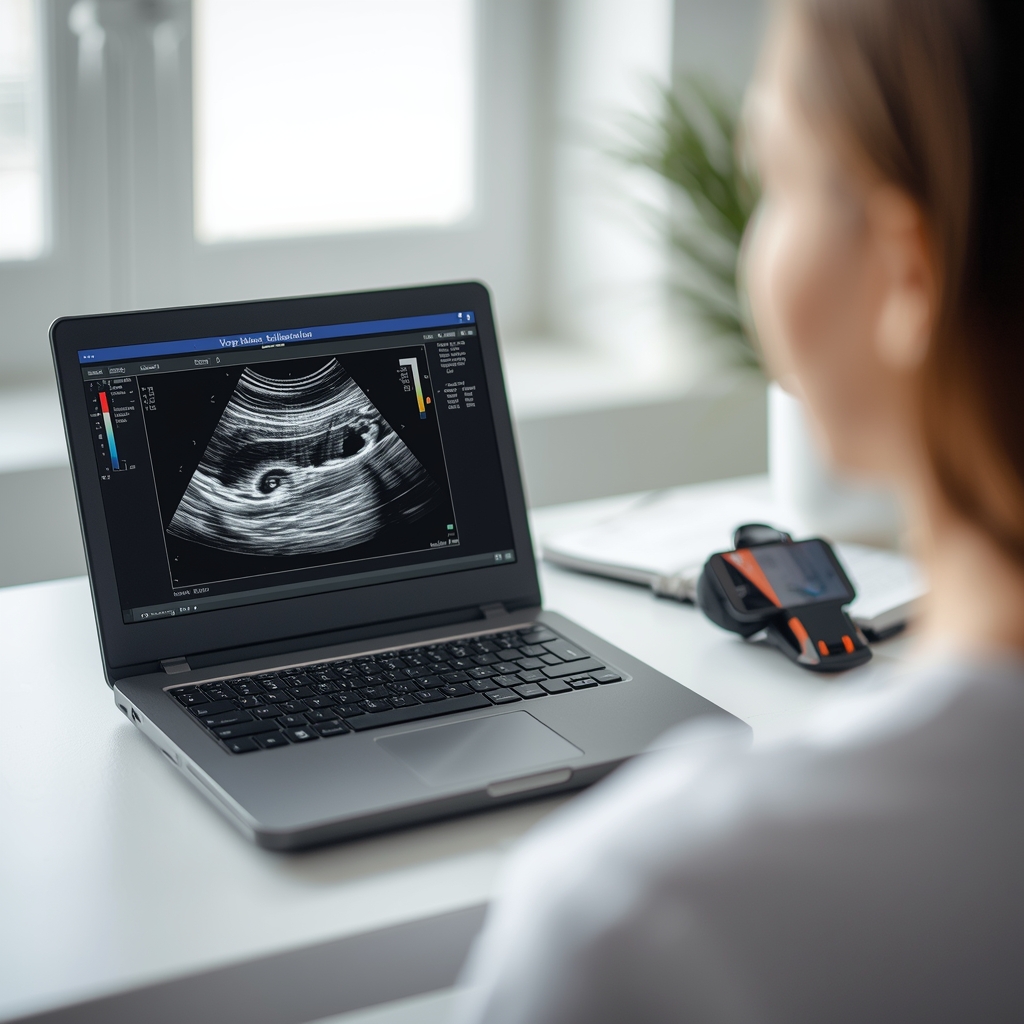
Introduction to Portable Ultrasound in Chiropractic Diagnostics
Portable ultrasound devices are revolutionizing how chiropractors assess musculoskeletal conditions by offering real-time imaging of soft tissues, muscles, and joints. Unlike traditional diagnostic tools like X-rays or MRIs, these compact devices provide immediate visual feedback without radiation exposure. Chiropractors use them to evaluate injuries, track treatment progress, and identify issues such as muscle tears, ligament damage, or joint abnormalities. Their portability allows for in-office use during patient consultations, reducing the need for referrals to external imaging facilities. This technology supports a more comprehensive approach to diagnosis, enabling practitioners to make informed decisions about treatment plans while enhancing patient engagement through visual explanations of their conditions.
Enhanced Visualization of Soft Tissues and Joints
One of the key advantages of portable ultrasound is its ability to capture high-resolution images of soft tissues, including tendons, ligaments, and muscles. This capability helps chiropractors detect conditions like tendonitis, bursitis, or muscle strains that may not always show up clearly on other imaging methods. By visualizing these structures in real time, practitioners can better assess the extent of an injury and determine the most effective treatment strategies. For example, ultrasound can reveal inflammation or fluid accumulation around a joint, guiding adjustments or therapeutic interventions. This level of detail supports more precise diagnoses, especially for complex cases where traditional exams alone may lack sufficient clarity. The non-invasive nature of ultrasound also minimizes patient discomfort during evaluations.
Real-Time Assessment During Adjustments and Treatments
Portable ultrasound devices allow chiropractors to perform real-time assessments during adjustments or therapeutic sessions. This dynamic capability helps practitioners observe how tissues respond to manual manipulations, ensuring adjustments are both effective and safe. For instance, during a spinal adjustment, ultrasound can show changes in muscle tension or joint alignment, providing immediate feedback to refine techniques. It also aids in monitoring the effectiveness of therapies like soft tissue work or instrument-assisted mobilization. By integrating ultrasound into treatment workflows, chiropractors can make data-driven decisions, reducing the guesswork associated with traditional diagnostic methods. This real-time insight fosters greater confidence in treatment outcomes and enhances the overall patient experience.
Non-Invasive and Safe for Patient Use
Unlike imaging techniques that involve radiation or contrast agents, portable ultrasound is non-invasive and considered safe for repeated use. This makes it an ideal tool for monitoring chronic conditions or tracking recovery progress over time without exposing patients to potential risks. Chiropractors can use it to evaluate patients of all ages, including children, pregnant individuals, and those with sensitive health conditions. The absence of ionizing radiation also means there are no long-term health concerns associated with its use, making it a preferred option for frequent assessments. Additionally, the device’s portability allows for quick scans during routine visits, enabling early detection of issues before they worsen. This safety profile aligns with chiropractic principles of minimizing harm while maximizing therapeutic benefits.
Integration with Chiropractic Workflows and Patient Education
Portable ultrasound devices seamlessly integrate into chiropractic practices, enhancing both diagnostic accuracy and patient communication. During consultations, chiropractors can use the technology to visually demonstrate injuries or conditions to patients, improving understanding and adherence to treatment plans. For example, showing a patient an ultrasound image of a herniated disc or inflamed tendon can clarify the need for specific interventions. The device’s ease of use also allows practitioners to perform scans quickly, saving time compared to scheduling external imaging appointments. By incorporating ultrasound into daily workflows, chiropractors can provide more immediate, personalized care while fostering trust through transparent, visual explanations of diagnoses and progress.
Future Prospects and Considerations for Chiropractic Adoption
As technology advances, portable ultrasound devices are likely to become even more sophisticated, offering higher resolution imaging and AI-assisted analysis. This could further improve diagnostic precision and streamline workflows for chiropractors. However, adoption requires training to interpret images accurately and integrate the technology effectively into practice. Practitioners should also consider cost, maintenance, and regulatory compliance when investing in such tools. While portable ultrasound is not a replacement for traditional diagnostic methods, it serves as a valuable complementary resource. As research continues to validate its efficacy, more chiropractors may embrace this technology to enhance patient care, aligning with the profession’s focus on evidence-based, patient-centered approaches.














