
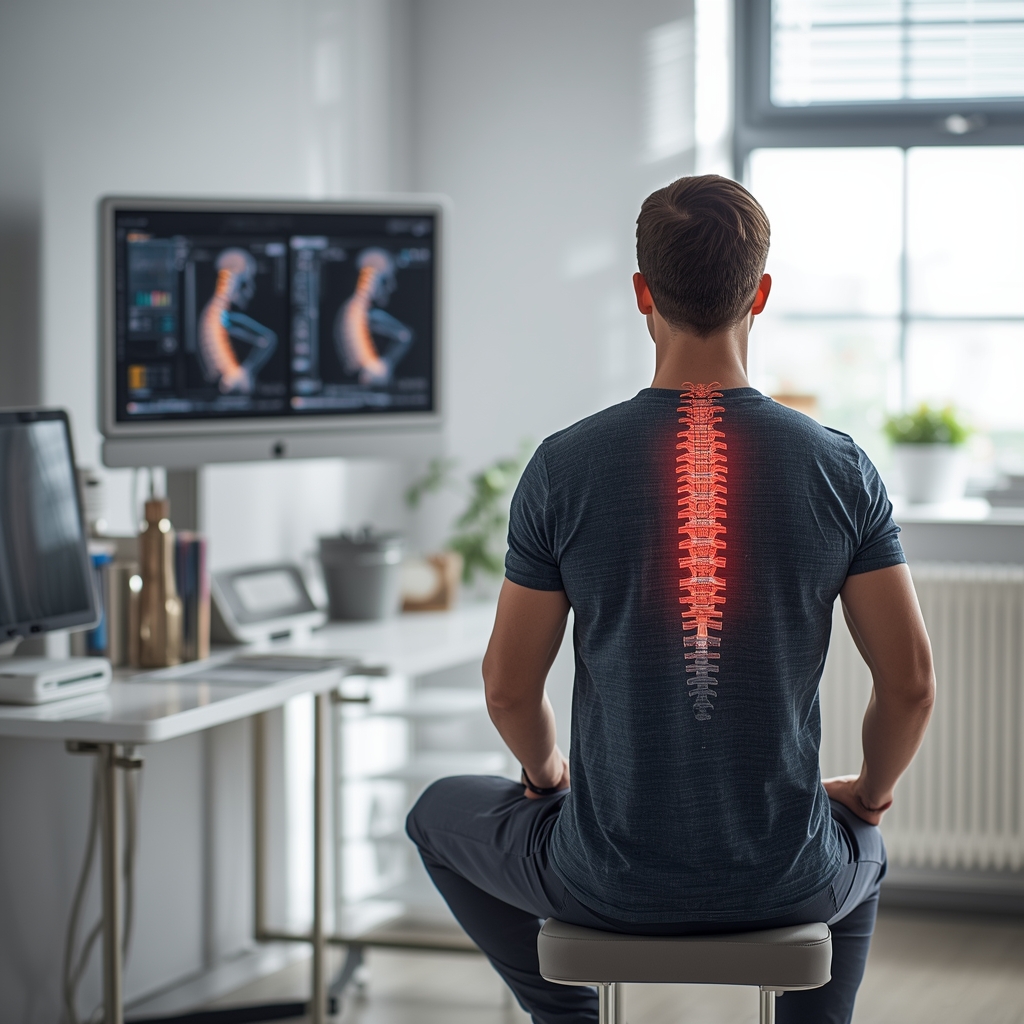
Emerging Portable Diagnostic Tools in Chiropractic Care
Portable diagnostic tools are transforming how chiropractors assess spinal function, offering real-time data and enhanced precision. These devices, designed for clinical use, include handheld electromyography (EMG) systems, inertial measurement units (IMUs), and portable ultrasound machines. By providing objective metrics, they reduce reliance on subjective manual exams, enabling more consistent evaluations. For instance, EMG devices measure muscle electrical activity, helping identify imbalances or nerve issues. Such tools align with the growing emphasis on evidence-based practices in chiropractic care, ensuring assessments are both efficient and scientifically grounded.
Enhancing Accuracy Through Real-Time Data
Portable diagnostics empower chiropractors to gather immediate, quantifiable data during patient visits. Inertial sensors, for example, track movement patterns and posture, detecting subtle abnormalities that might be missed in traditional exams. Portable ultrasound allows visualization of soft tissues, such as discs or ligaments, without radiation exposure. These tools complement manual techniques by offering visual and numerical feedback, which can improve diagnostic accuracy. By integrating these technologies, practitioners can create more tailored treatment plans, addressing specific musculoskeletal dysfunctions with greater confidence.
Applications in Spinal Function Analysis
Chiropractors use portable tools to analyze spinal alignment, joint mobility, and neuromuscular function. Devices like digital posture analyzers assess spinal curvature and asymmetry, while motion sensors evaluate range of motion during adjustments. Some systems combine multiple technologies, such as EMG with force plates, to evaluate how muscle activity correlates with spinal mechanics. These applications help identify dysfunctions like subluxations or muscle compensations, guiding interventions. As these tools become more accessible, they support a proactive approach to spinal health, enabling early detection of issues before they worsen.
Improving Patient Outcomes and Communication
Portable diagnostics enhance patient engagement by providing visual or numerical evidence of their condition. For example, a patient might see a graph showing improved muscle symmetry after treatment, reinforcing the value of care. This transparency builds trust and encourages adherence to recommendations. Additionally, objective data helps chiropractors track progress over time, adjusting strategies as needed. By offering measurable outcomes, these tools strengthen the doctor-patient relationship and demonstrate the effectiveness of chiropractic interventions in a way that resonates with modern, data-driven patients.
Challenges and Considerations
While promising, portable diagnostic tools require careful integration into practice. Initial costs and training can be barriers for some chiropractors. Additionally, interpreting data accurately demands expertise to avoid misdiagnosis. Practitioners must also ensure these tools complement, rather than replace, traditional examination methods. Regulatory compliance and validation of device accuracy are critical to maintaining clinical standards. As technology evolves, ongoing education and collaboration with developers will be essential to maximize benefits while upholding patient safety and care quality.
The Future of Chiropractic Diagnostics
Advancements in AI and wearable technology are poised to further revolutionize portable diagnostics. Future tools may offer automated analysis, predictive modeling, and remote monitoring capabilities. For example, smart wearables could track posture and movement habits outside the clinic, providing continuous insights. As these innovations emerge, chiropractors must stay informed about ethical and clinical implications. By embracing cutting-edge tools responsibly, the profession can continue to refine its approach to spinal health, ensuring patients receive the most accurate and effective care possible.













