
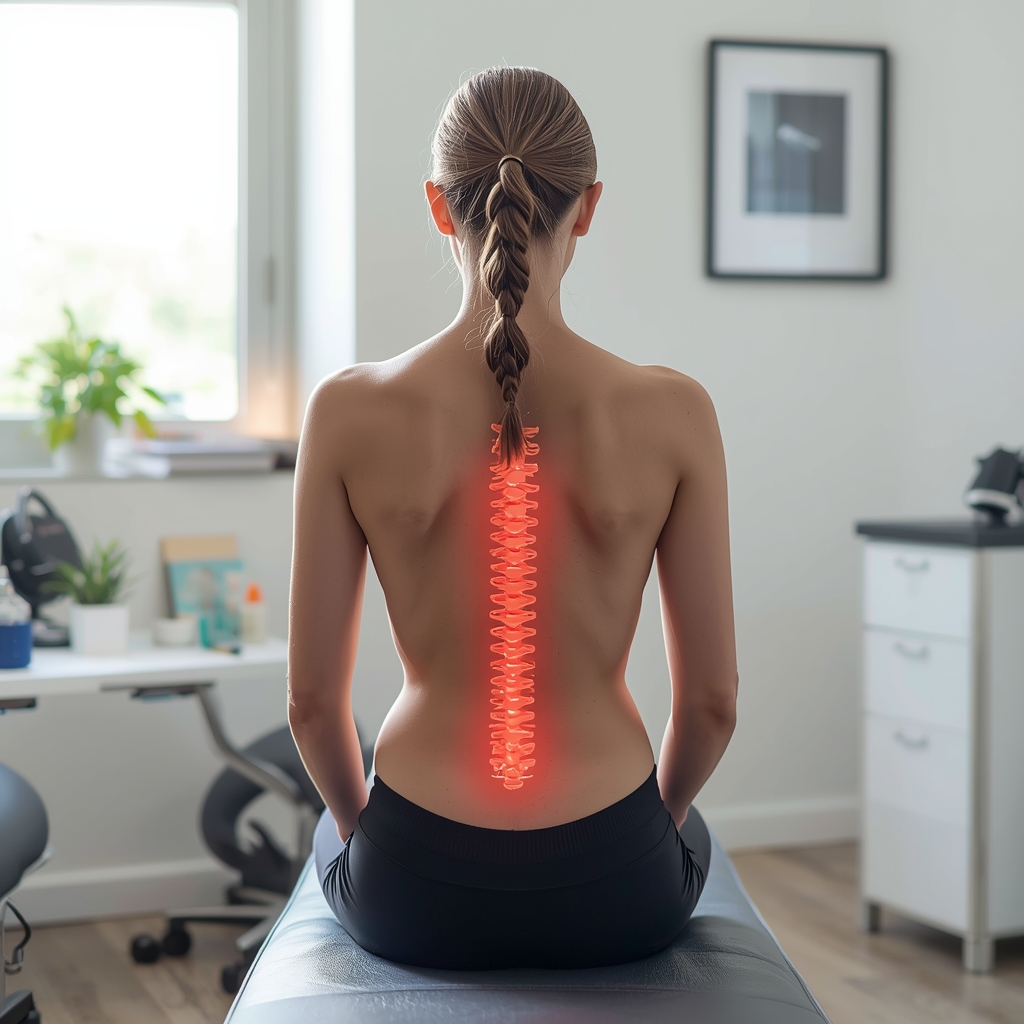
Introduction to Portable Diagnostic Tools in Mobile Chiropractic Practices
Mobile chiropractic practices require efficient, reliable tools to assess spinal alignment without traditional office equipment. Portable diagnostic tools enable practitioners to evaluate patients in various settings, from home visits to sports events. These tools prioritize accuracy, ease of use, and portability, ensuring consistent care quality. Common applications include measuring posture, detecting misalignments, and monitoring treatment progress. By leveraging technology, chiropractors can maintain diagnostic standards while adapting to flexible work environments. The right tools empower providers to deliver precise assessments, supporting informed decision-making and patient outcomes. Understanding these devices is essential for chiropractors seeking to enhance their mobile practice capabilities.
Portable Spinal Alignment Assessment Devices
Portable tools like digital inclinometers and posture analysis apps are critical for assessing spinal alignment. Digital inclinometers measure angles of spinal curvature, offering real-time feedback on posture and alignment. These devices are lightweight, easy to calibrate, and compatible with smartphones for data tracking. Posture analysis apps use camera-based systems to evaluate body alignment, identifying deviations such as forward head posture or scoliosis. While these tools provide valuable insights, their effectiveness depends on proper training and interpretation. They complement manual exams by quantifying observations, helping chiropractors track changes over time. However, results should always be reviewed by a qualified provider to ensure accuracy and context. These devices are ideal for quick assessments but not a substitute for comprehensive evaluations.
Thermal Imaging for Spinal Analysis
Thermal imaging cameras detect temperature variations along the spine, which may indicate nerve interference or musculoskeletal imbalances. These portable devices capture infrared data, highlighting asymmetries that could signal misalignments or inflammation. Chiropractors use thermal imaging to visualize the body’s physiological responses, supporting diagnostic decisions. The technology is non-invasive and quick, making it suitable for mobile settings. While thermal imaging provides a visual representation of potential issues, it does not replace traditional diagnostic methods. Results should be interpreted alongside patient history and physical exams. Some studies suggest thermal imaging aids in identifying subluxations, but its role remains complementary. Practitioners must ensure proper training to avoid misinterpretation of data.
Electromyography (EMG) for Muscle Activity Monitoring
Portable EMG devices measure muscle electrical activity, helping assess nerve function and muscle imbalances that affect spinal alignment. These tools detect abnormalities in muscle activation patterns, which may correlate with misalignments or nerve compression. By placing sensors on specific areas, chiropractors can identify overactive or underactive muscles contributing to postural issues. EMG data provides objective insights, guiding adjustments and rehabilitation plans. However, the technology requires expertise to interpret correctly. Results should be used alongside other diagnostic methods, as muscle activity alone does not confirm spinal misalignments. Portable EMG units are compact and battery-operated, ideal for mobile practices. While useful, they are not standalone diagnostic tools and should be integrated into a broader assessment strategy.
Gait Analysis Systems for Dynamic Spinal Assessment
Portable gait analysis systems evaluate how patients walk, revealing biomechanical patterns that impact spinal alignment. These tools use sensors or video analysis to assess weight distribution, foot placement, and movement symmetry. By identifying irregularities, chiropractors can link gait issues to spinal dysfunction or musculoskeletal imbalances. Some systems integrate with smartphones, offering real-time feedback and data storage. Gait analysis is particularly useful for athletes or individuals with movement-related pain. However, it requires specialized training to interpret results accurately. While helpful, it does not diagnose specific spinal conditions but highlights areas needing further investigation. Mobile practitioners should combine gait data with manual exams for a holistic approach. These tools enhance diagnostic capabilities but remain supplementary to traditional methods.
Conclusion: Choosing the Right Tools for Mobile Care
Selecting effective portable diagnostic tools depends on practice needs, patient populations, and clinical goals. Digital inclinometers, thermal imaging, EMG devices, and gait analysis systems each offer unique advantages for spinal alignment assessments. These tools enhance mobility and efficiency but must be used judiciously. Practitioners should prioritize training and validation to ensure accurate results. While technology improves diagnostic precision, it complements—not replaces—manual skills and clinical judgment. Mobile chiropractors should evaluate tools based on reliability, ease of use, and integration with existing workflows. Ultimately, the best approach combines advanced technology with professional expertise, ensuring high-quality care in diverse settings. Always consult a qualified provider to determine the most suitable tools for individual cases.













