
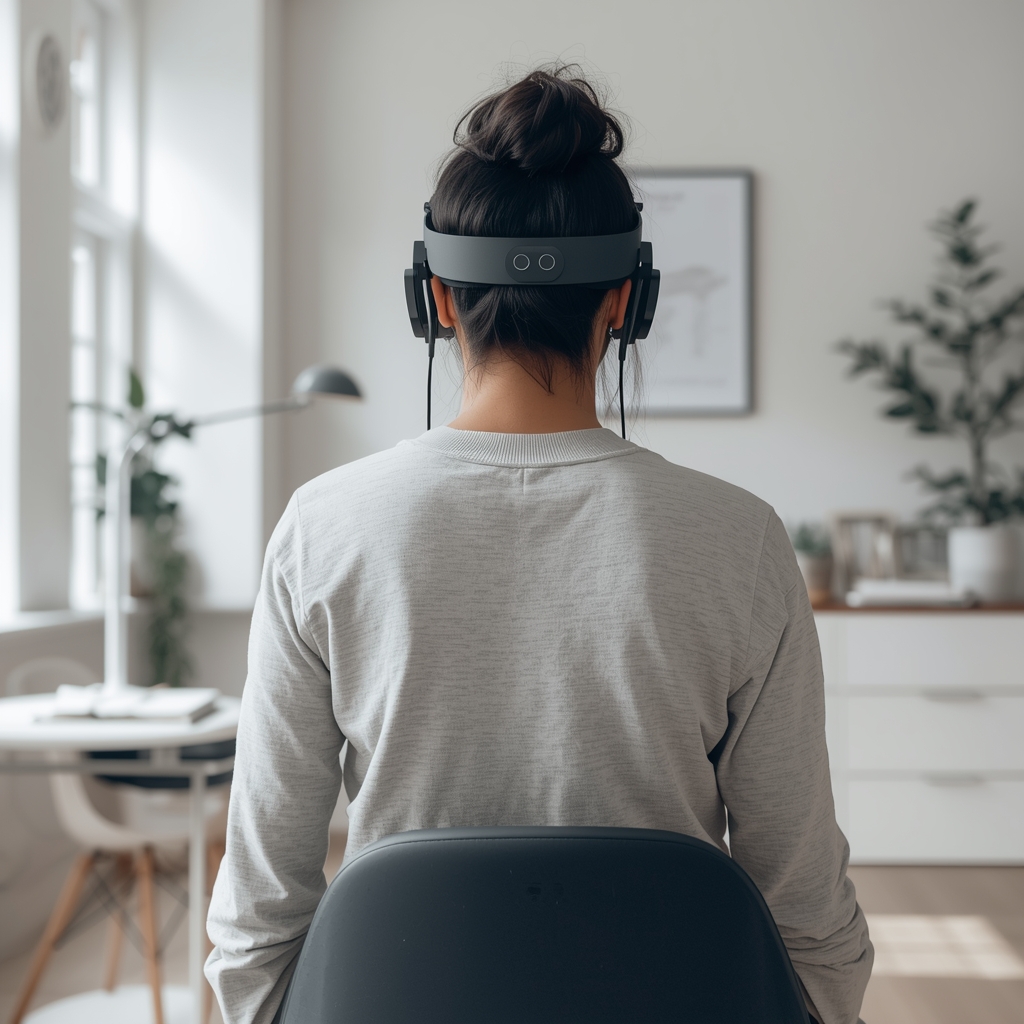
Introduction to Virtual Reality in Telehealth Consultations
Virtual reality (VR) is transforming how healthcare professionals engage with patients, offering immersive tools to enhance understanding and communication. For chiropractors, integrating VR into telehealth consultations provides a dynamic way to educate patients about their conditions and treatment options. By creating interactive, 3D visualizations, VR allows patients to explore spinal structures, movement patterns, and therapeutic exercises in real time. This technology bridges the gap between abstract medical explanations and tangible, visual learning. As telehealth becomes more prevalent, VR offers a way to maintain personalized care even when in-person visits are limited. However, its use remains an evolving practice, requiring careful implementation to align with clinical goals and patient needs. Chiropractors must ensure VR tools are accessible, user-friendly, and complementary to traditional care methods.
Visualizing Spinal Anatomy and Movement Patterns
One of the most promising applications of VR in chiropractic care is its ability to visualize complex spinal anatomy. Patients often struggle to grasp how misalignments or nerve compression affect their bodies through verbal descriptions alone. With VR, chiropractors can guide patients through interactive 3D models of the spine, highlighting specific areas of concern. For example, a patient with lower back pain might see a simulation of how a herniated disc impacts surrounding nerves. This visual context helps patients understand their condition and the rationale behind recommended treatments. Additionally, VR can demonstrate movement patterns, such as how poor posture affects joint stress or how corrective exercises improve alignment. These immersive experiences foster better patient engagement and informed decision-making, though they should always be used alongside professional guidance.
Simulating Adjustments and Therapeutic Techniques
VR can also be used to simulate chiropractic adjustments and therapeutic techniques, offering patients a clearer understanding of their treatment process. By experiencing a virtual representation of an adjustment, patients may feel more comfortable and informed about what to expect during in-person sessions. For instance, a chiropractor might use VR to show how a spinal manipulation realigns vertebrae or how soft tissue therapy alleviates muscle tension. This technology can also demonstrate the purpose of specific exercises, such as stretches for sciatica or strengthening routines for neck pain. While VR cannot replace hands-on care, it serves as a valuable educational tool to demystify procedures and build patient confidence. Chiropractors should emphasize that these simulations are for learning purposes and not a substitute for professional treatment.
Enhancing Patient Engagement and Retention
Engagement is a critical factor in patient education, and VR excels at capturing attention through interactivity. Traditional methods like diagrams or videos may not fully convey the complexity of spinal conditions, but VR allows patients to explore anatomy and treatment options at their own pace. This active participation can lead to better retention of information, as patients are more likely to remember concepts they’ve “experienced” rather than passively observed. For example, a patient recovering from a whiplash injury might use VR to practice neck mobility exercises in a controlled, virtual environment. Additionally, VR can make learning more enjoyable, reducing anxiety around medical procedures. However, chiropractors must ensure these tools are used judiciously, balancing innovation with the need for clear, evidence-based communication.
Remote Access and Accessibility for Diverse Patient Needs
Virtual reality expands access to chiropractic education by enabling patients to engage with content from any location. This is particularly beneficial for individuals with mobility challenges, those in rural areas, or patients with busy schedules who may struggle to attend in-person sessions. Through VR, chiropractors can deliver consistent, high-quality education regardless of geographic barriers. For instance, a patient recovering from a sports injury could review a VR module on rehabilitation exercises from home, reinforcing their understanding of the recovery process. Moreover, VR can accommodate diverse learning styles, offering visual, auditory, and kinesthetic elements that cater to different preferences. While the technology requires initial investment, its long-term potential to improve patient outcomes and satisfaction makes it a compelling option for forward-thinking practices.
Ethical and Practical Considerations for Implementation
As with any emerging technology, integrating VR into chiropractic care raises ethical and practical questions. Chiropractors must ensure that VR tools are accurate, evidence-based, and free from misleading content. Misrepresenting medical information could harm patient trust and outcomes. Additionally, data privacy is a concern, as VR platforms may collect sensitive health information. Practitioners should choose secure, compliant systems and clearly communicate how patient data is handled. Another challenge is the learning curve for both providers and patients; not all chiropractors may have the resources or training to implement VR effectively. Finally, it’s crucial to emphasize that VR is a supplementary tool, not a replacement for in-person care. By addressing these considerations thoughtfully, chiropractors can harness VR’s potential while maintaining the integrity of their practice.











