
The Role of Wearable Technology in Remote Spinal Assessments
Wearable devices like smart sensors and activity trackers offer chiropractors real-time data about a patient’s posture, movement patterns, and activity levels during telehealth consultations. These tools can detect irregularities in gait or spinal alignment that might be missed during a standard video call. By sharing this data, patients gain a clearer understanding of how their daily habits affect their spinal health. For example, a wearable might highlight excessive sitting or poor posture, prompting discussions about ergonomic adjustments. This technology bridges the gap between in-person exams and remote care, enabling more precise, data-driven recommendations without requiring physical presence.
Virtual Reality for Interactive Patient Education
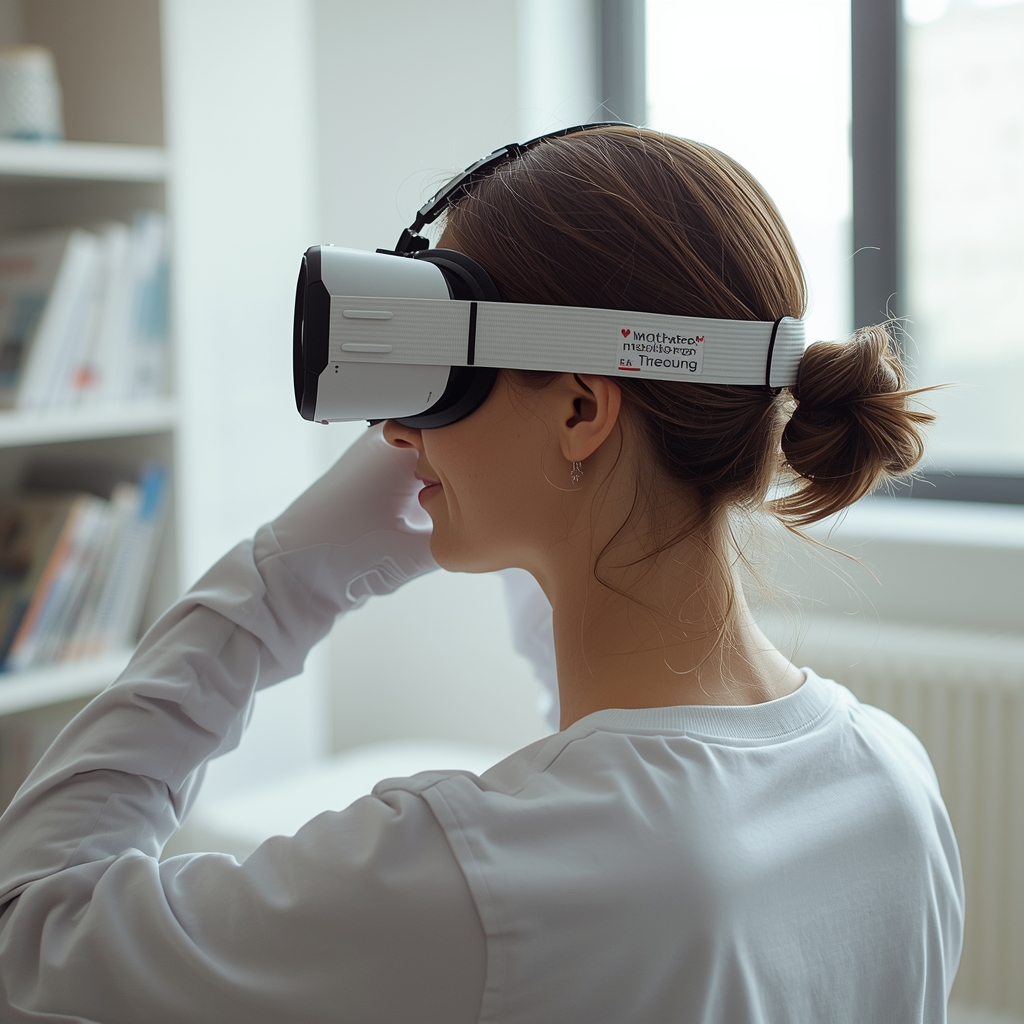
Virtual reality (VR) immerses patients in 3D visualizations of their spine, helping them grasp complex anatomical concepts and treatment plans. During telehealth sessions, chiropractors can guide patients through interactive simulations showing how misalignments impact nerve function or mobility. This visual approach makes abstract ideas tangible, improving comprehension and engagement. VR can also demonstrate exercises or adjustments, allowing patients to practice under virtual supervision. By transforming passive learning into an active experience, VR strengthens patient adherence to care plans and fosters a deeper connection between provider and patient, even in remote settings.
Enhancing Communication Through Digital Tools
Telehealth platforms integrated with wearable and VR technologies enable chiropractors to communicate more effectively with patients. For instance, a patient can share live data from a wearable device while discussing symptoms, allowing the provider to correlate physical metrics with reported pain levels. Similarly, VR can simulate the effects of specific adjustments, helping patients visualize potential outcomes. These tools reduce ambiguity in remote consultations, ensuring both parties align on diagnoses and goals. By combining quantitative data with immersive visuals, chiropractors can deliver more personalized, transparent care, even when face-to-face interaction isn’t possible.
Overcoming Limitations of Traditional Telehealth
Traditional telehealth relies heavily on patient self-reporting, which can be subjective or incomplete. Wearable tech and VR address this by providing objective, visual evidence of spinal health. A wearable might track muscle tension or range of motion, while VR can map out nerve pathways to identify issues. These tools also help patients articulate their concerns more clearly, as they can reference data or simulations during discussions. By supplementing verbal communication with actionable insights, chiropractors can make more informed decisions and reduce the risk of misdiagnosis. This approach strengthens the reliability of remote care, making it a viable alternative to in-person visits in many cases.
Challenges and Considerations for Implementation
Adopting wearable and VR technologies requires addressing barriers like cost, technical complexity, and patient familiarity. Not all patients may have access to these tools, creating disparities in care quality. Chiropractors must also invest time in learning how to interpret data from wearables or integrate VR into consultations. Privacy concerns around health data collection are another hurdle, demanding strict compliance with regulations. Despite these challenges, many providers find the benefits—such as improved patient engagement and diagnostic accuracy—worth the effort. Gradual implementation, patient education, and partnerships with tech developers can ease the transition and maximize the impact of these innovations.
The Future of Remote Spinal Care Innovation
As technology evolves, wearable devices and VR are likely to become more sophisticated, offering even greater insights into spinal health. Future tools might include AI-driven analytics that predict injury risks or personalize exercise regimens based on real-time data. Chiropractors could also leverage augmented reality to overlay anatomical information during live video calls, enhancing diagnostic precision. These advancements will further empower patients to take an active role in their care, fostering long-term wellness. While challenges remain, the integration of cutting-edge tools into telehealth represents a transformative step toward more accessible, effective spinal care for diverse patient populations.













