
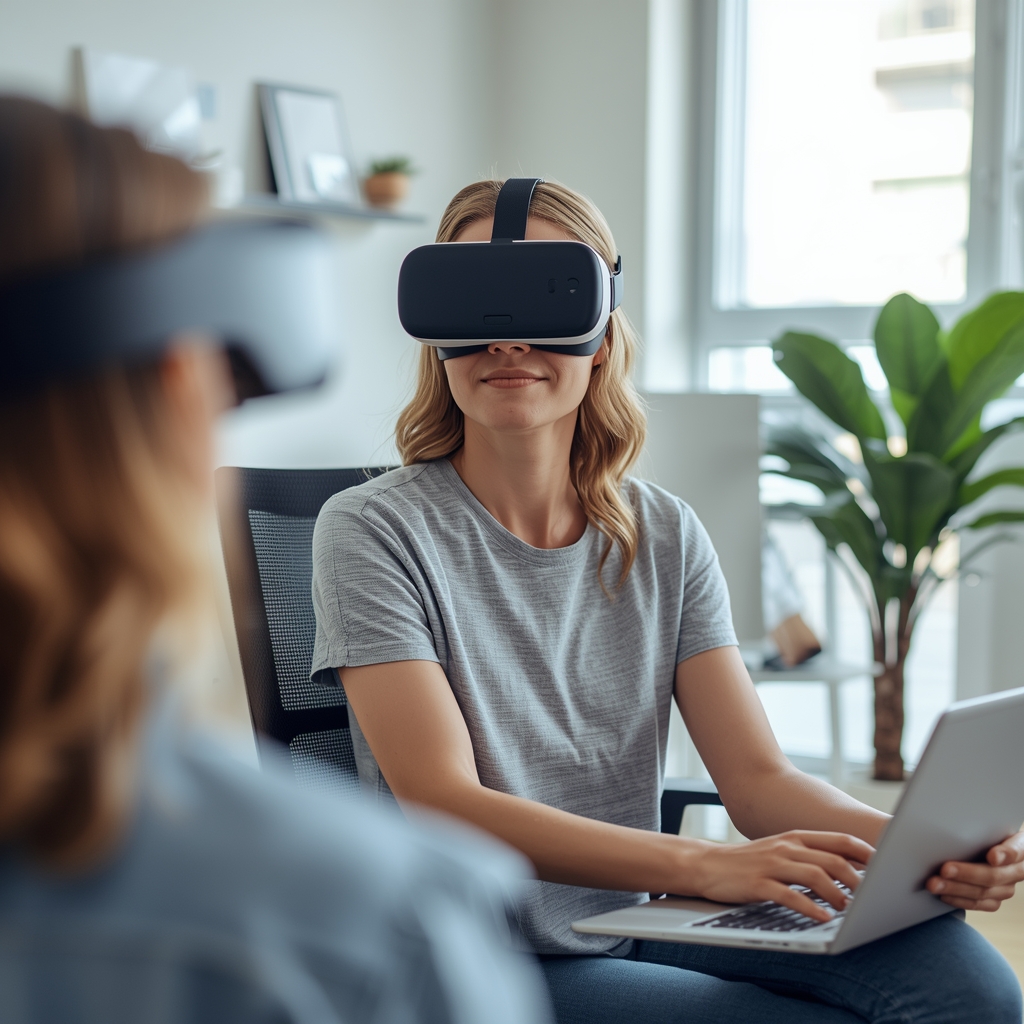
Introducing Virtual Reality in Telehealth for Chiropractic Education
Virtual reality (VR) is transforming how chiropractors engage patients during telehealth sessions by offering immersive, interactive tools to enhance understanding of spinal health. These technologies allow patients to visualize complex anatomical structures and treatment processes in 3D, making abstract concepts more tangible. By integrating VR, chiropractors can bridge the gap between technical explanations and patient comprehension, fostering better adherence to care plans. This approach aligns with modern trends in patient-centered care, where education plays a critical role in empowering individuals to take an active role in their health. As telehealth continues to expand, VR tools provide a dynamic way to maintain engagement and clarity, even when in-person visits are limited.
Visualizing Anatomy Through 3D VR Models
One of the most impactful uses of VR in chiropractic education is the ability to display detailed 3D models of the spine and nervous system. Patients can explore these interactive representations to see how misalignments or injuries affect their body. This visual learning tool helps clarify complex conditions like herniated discs or sciatica, which can be challenging to explain through traditional methods. By allowing patients to “walk through” their own anatomy, chiropractors can tailor explanations to individual needs, improving retention and reducing anxiety. Such immersive experiences also encourage patients to ask questions, leading to more meaningful discussions about their treatment options and long-term health goals.
Interactive Exercises and Posture Training
VR platforms enable chiropractors to guide patients through real-time, interactive exercises designed to improve posture, flexibility, and muscle strength. These tools can track movements and provide instant feedback, ensuring patients perform techniques correctly. For example, a patient recovering from a neck injury might use VR to practice gentle range-of-motion exercises while receiving visual cues to correct form. This not only enhances the effectiveness of at-home care but also increases patient motivation by making exercises more engaging. By combining education with practical application, VR fosters a deeper understanding of how specific movements support spinal health and overall wellness.
Immersive Scenarios for Condition-Specific Education
Virtual reality can simulate real-world scenarios that help patients understand how their daily activities impact their spine. For instance, a patient with tech neck might experience a VR simulation showing the strain of prolonged screen use on their cervical spine. Similarly, individuals with lower back pain could explore how improper lifting techniques contribute to disc pressure. These immersive experiences make abstract concepts concrete, helping patients recognize and modify harmful habits. By connecting education to everyday situations, chiropractors can reinforce the importance of lifestyle adjustments in managing and preventing spinal issues.
Enhancing Communication Through Real-Time Feedback
VR tools facilitate two-way communication during telehealth sessions by allowing chiropractors to observe and correct patient movements in real time. For example, a provider might use VR to monitor a patient’s form during a stretching routine and offer immediate adjustments. This level of interaction ensures patients perform exercises safely and effectively, reducing the risk of further injury. Additionally, visual feedback can highlight improvements over time, such as increased mobility or reduced pain triggers. Such dynamic exchanges strengthen the patient-provider relationship, making education a collaborative process rather than a one-sided lecture.
Future Possibilities and Adoption Considerations
As VR technology becomes more accessible, its role in chiropractic education is likely to expand. Future applications may include personalized virtual consultations, where patients navigate 3D environments to explore their treatment plans. However, adoption requires careful consideration of cost, technical requirements, and patient comfort with digital tools. Chiropractors should evaluate VR solutions that align with their practice’s goals and patient demographics. While the technology is still evolving, early integration can position providers as innovators in patient education. By staying informed about advancements, chiropractors can continue to leverage VR to enhance telehealth experiences and improve outcomes for their patients.












