
Virtual Reality as a Training Tool for Spinal Manipulation
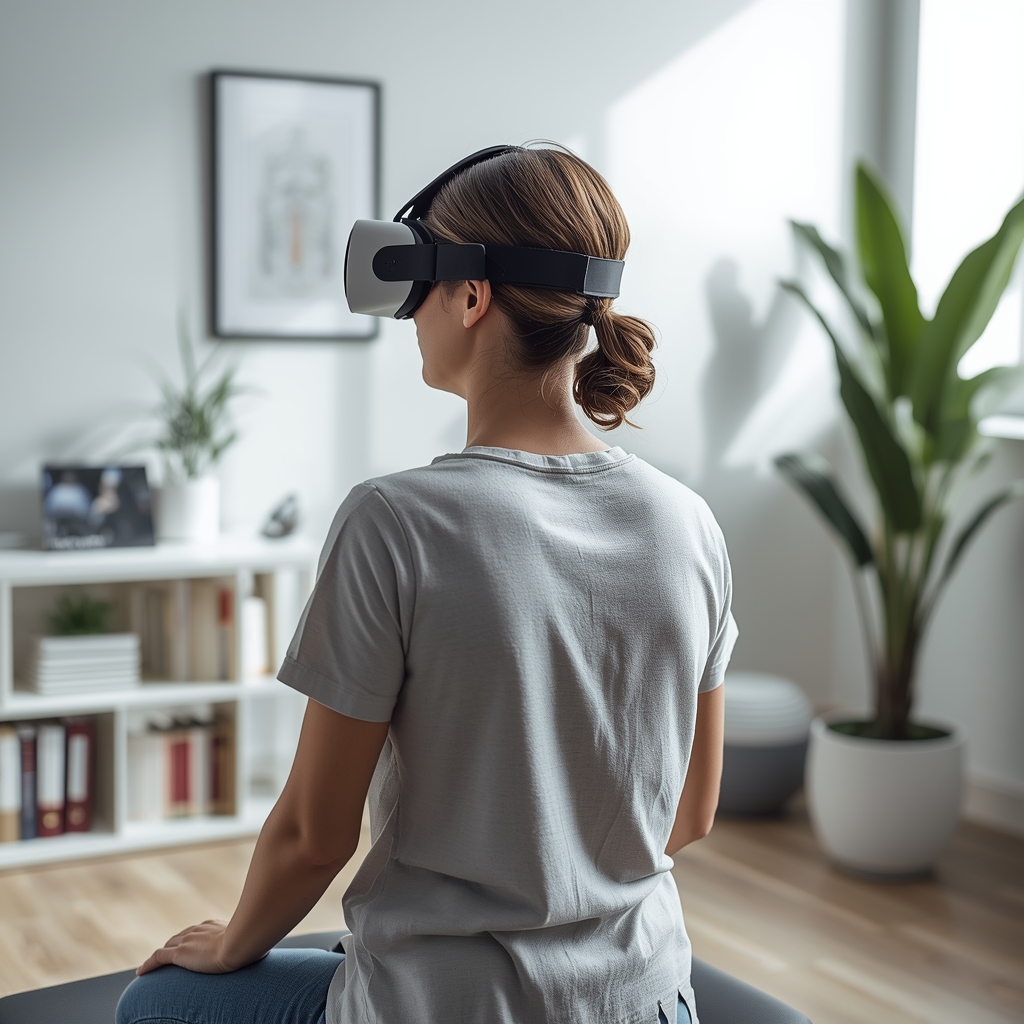
Chiropractic programs are increasingly integrating virtual reality (VR) to enhance training for spinal manipulation techniques. These immersive simulations allow students to practice adjustments in a risk-free environment, replicating real-world scenarios with detailed anatomical models. By wearing VR headsets, learners can visualize the spine’s structure, practice hand placement, and receive real-time feedback on their technique. This approach addresses gaps in traditional training, where limited patient access or variability in clinical settings can hinder skill development. VR also enables repeated practice, helping students build muscle memory and confidence before working with real patients. While still emerging, this technology reflects a broader trend toward leveraging digital tools to improve educational outcomes in chiropractic care.
Enhancing Patient Education Through Immersive Technology
Virtual reality is not only transforming how chiropractors are trained but also how they educate patients about their conditions and treatments. Programs are using VR to create interactive experiences that help patients understand spinal mechanics, the purpose of adjustments, and the benefits of rehabilitation exercises. For example, patients might explore a 3D model of their spine to see how misalignments affect nerve function or observe simulated adjustments to grasp the process better. This visual and interactive approach can improve patient comprehension, reduce anxiety, and foster better adherence to treatment plans. As patient-centered care becomes a priority, VR tools are proving valuable in bridging the gap between technical explanations and patient understanding.
Regulatory and Licensing Considerations
As VR becomes more prevalent in chiropractic education, licensing boards and accreditation agencies are beginning to evaluate its role in training standards. Some programs are incorporating VR modules into curricula, but widespread adoption depends on regulatory acceptance and clear guidelines. Questions remain about how VR skills translate to clinical competency and whether virtual practice meets the same rigorous standards as hands-on training. Additionally, ensuring that VR tools are developed with input from experienced chiropractors is critical to maintaining educational integrity. While the technology holds promise, its integration into licensing frameworks will require collaboration between educators, regulators, and industry developers to ensure it complements, rather than replaces, traditional learning methods.
Addressing Challenges in VR Implementation
Despite its potential, the adoption of VR in chiropractic training faces several challenges. High costs of VR equipment and software development can limit accessibility for smaller institutions or independent practitioners. Additionally, creating accurate, anatomically precise models requires collaboration with medical experts to avoid misinformation. There is also the risk of over-reliance on technology, which could diminish the importance of interpersonal skills and tactile feedback in patient care. To address these issues, programs are focusing on hybrid models that combine VR with traditional clinical rotations. This balanced approach ensures students gain both technological proficiency and the human-centered skills essential to chiropractic practice.
Future Trends and Innovations
The future of VR in chiropractic education may involve more advanced features, such as AI-driven feedback systems that analyze a student’s technique in real time or augmented reality (AR) tools that overlay digital information onto real-world clinical settings. These innovations could further refine training by providing personalized guidance and simulating complex cases. Additionally, as remote learning becomes more common, VR could enable global collaboration, allowing students and practitioners to share knowledge and techniques across regions. While these developments are still in early stages, they highlight the transformative potential of VR to reshape how chiropractic care is taught and delivered, ensuring practitioners are well-equipped for evolving healthcare demands.
Conclusion: Balancing Innovation with Traditional Practices
Virtual reality is emerging as a valuable tool in chiropractic education, offering new ways to train students and engage patients. However, its success depends on thoughtful implementation that complements, rather than replaces, traditional methods. By addressing technical, financial, and regulatory challenges, the chiropractic community can harness VR’s benefits while maintaining the core principles of hands-on care and patient interaction. As the technology evolves, ongoing dialogue between educators, practitioners, and regulators will be essential to ensure VR enhances, rather than disrupts, the quality of chiropractic training and patient outcomes.














