
Virtual Reality in Chiropractic Education: A New Frontier
Virtual reality (VR) is reshaping how chiropractic students and professionals learn spinal manipulation techniques. By creating immersive, interactive environments, VR allows learners to practice adjustments in a risk-free setting. This technology simulates real-world scenarios, enabling trainees to refine their skills without the pressure of clinical settings. As chiropractic education evolves, VR offers a dynamic alternative to traditional methods, blending theoretical knowledge with hands-on experience. Its potential to enhance training accuracy and confidence makes it a valuable tool for modern chiropractic programs.
Challenges in Traditional Spinal Manipulation Training
Traditional chiropractic training relies heavily on classroom instruction, cadaver labs, and supervised patient interactions. While these methods provide foundational knowledge, they often lack the repetition and variability needed for mastery. Students may struggle to translate textbook concepts into practical skills, and limited access to diverse patient cases can hinder comprehensive learning. Additionally, the physical demands of practice sessions and the need for instructor feedback can create bottlenecks in training efficiency. These challenges highlight the need for innovative solutions that address gaps in skill development and experiential learning.
How VR Simulations Enhance Skill Development
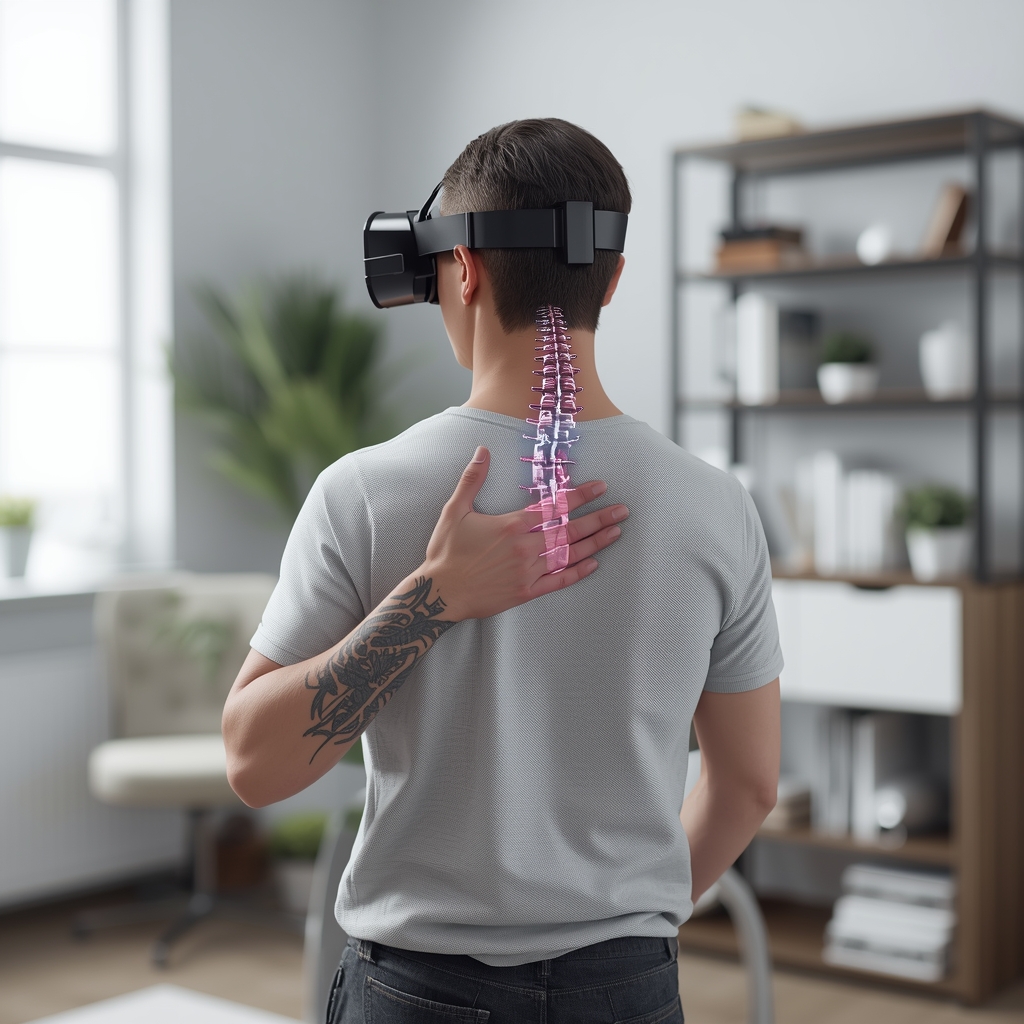
VR simulations bridge the gap between theory and practice by allowing learners to visualize and interact with 3D spinal models. Trainees can practice adjustments on virtual patients, receiving real-time feedback on technique, pressure, and alignment. This iterative process helps build muscle memory and precision, critical for effective spinal manipulation. VR also enables learners to repeat procedures until they achieve proficiency, fostering confidence and competence. By simulating complex cases, such as misalignments or patient variations, VR prepares students for real-world scenarios they may encounter in clinical practice.
Benefits of VR for Chiropractic Training
The integration of VR into chiropractic education offers several advantages. It provides a safe space for trial and error, reducing the risk of errors during actual patient care. Learners can practice in controlled environments, focusing on technique without the stress of real-time patient interactions. VR also supports personalized learning, allowing students to progress at their own pace. Furthermore, it facilitates collaborative training, as multiple users can engage in simulated scenarios together. These benefits contribute to a more efficient, effective, and accessible training experience, preparing future chiropractors for the demands of modern practice.
Considerations and Limitations
While VR holds promise, it is not a replacement for hands-on training. Physical touch and patient communication remain essential components of chiropractic care, which VR cannot fully replicate. The cost of VR equipment and software development may also pose barriers for some institutions. Additionally, ensuring that VR content aligns with established chiropractic standards requires careful oversight. Trainees must still engage with real patients under supervision to develop clinical judgment. Balancing VR with traditional methods ensures a well-rounded education that prioritizes both technological innovation and practical expertise.
The Future of Chiropractic Training with VR
As VR technology advances, its role in chiropractic education is likely to expand. Innovations in haptic feedback and AI-driven simulations may further enhance realism and interactivity. Institutions that adopt VR early can position themselves as leaders in modern chiropractic training, attracting students seeking cutting-edge education. However, ongoing research will be critical to evaluate its long-term effectiveness and integration with clinical practice. By embracing VR while maintaining a commitment to traditional learning, the chiropractic field can foster a new generation of skilled, adaptable practitioners ready to meet evolving healthcare needs.













