
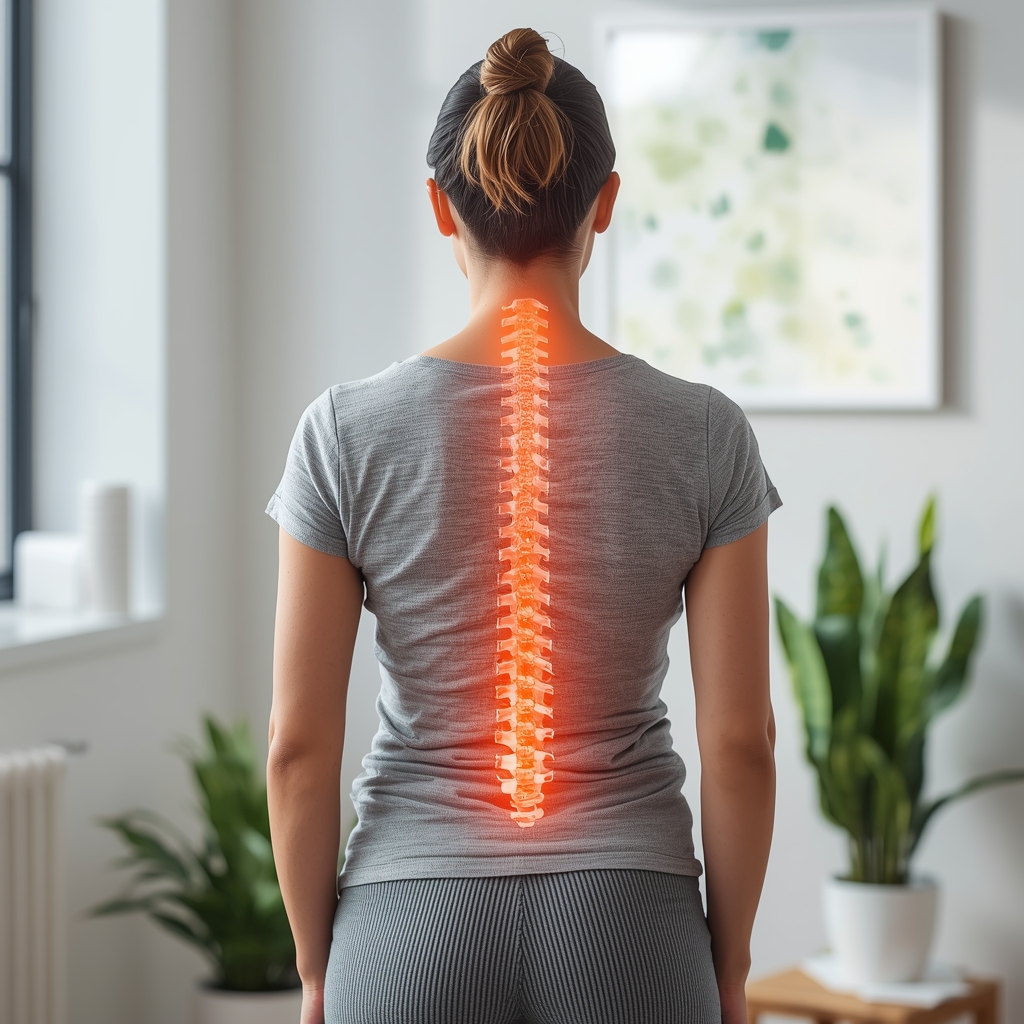
Introduction to Chiropractic Care for Adult Scoliosis
Adult scoliosis, characterized by an abnormal lateral curvature of the spine, can lead to posture imbalances and long-term degenerative issues. While often associated with childhood, scoliosis can persist or develop in adulthood, affecting mobility and quality of life. Chiropractic care offers a non-invasive approach to managing these challenges by focusing on spinal alignment, nerve function, and musculoskeletal health. For adults, the goal is not to correct the curvature entirely but to alleviate symptoms, improve posture, and slow progression. Chiropractors use tailored techniques to address individual needs, emphasizing holistic wellness and patient education. This article explores how chiropractic strategies can support adults with scoliosis in maintaining better posture and reducing complications.
Posture Improvement Through Spinal Adjustments
Spinal adjustments are a cornerstone of chiropractic care, aiming to restore proper alignment and reduce stress on the musculoskeletal system. For adults with scoliosis, misalignments can exacerbate postural issues, leading to uneven weight distribution and muscle strain. By gently realigning the spine, chiropractors help reduce these imbalances, promoting a more neutral posture. Improved alignment may also enhance nerve function, supporting overall body mechanics. While adjustments alone cannot reverse scoliosis, they can mitigate discomfort and improve daily functionality. Patients often report reduced pain and greater ease in maintaining upright posture, highlighting the value of regular chiropractic sessions as part of a broader wellness strategy.
Reducing Degenerative Complications
Adult scoliosis can contribute to degenerative changes in the spine, such as disc wear, facet joint arthritis, and nerve compression. These complications may cause chronic pain, reduced mobility, and neurological symptoms. Chiropractic care addresses these concerns by maintaining spinal stability and optimizing joint function. Techniques like soft tissue therapy and mobilization can ease muscle tension, while adjustments may reduce pressure on nerves and spinal structures. By supporting the body’s natural healing processes, chiropractors help minimize the risk of further degeneration. However, it is essential to approach these goals collaboratively with other healthcare providers, ensuring a comprehensive plan to manage scoliosis-related challenges effectively.
Non-Invasive Management Strategies
Chiropractic care emphasizes non-invasive methods to support adults with scoliosis, avoiding surgical interventions when possible. Alongside spinal adjustments, chiropractors may incorporate corrective exercises, ergonomic advice, and lifestyle modifications to enhance outcomes. These strategies aim to strengthen core muscles, improve flexibility, and reduce strain on the spine. For example, posture-specific exercises can counteract the effects of uneven curvature, while ergonomic adjustments at work or home may prevent exacerbation of symptoms. Chiropractors also educate patients on proper body mechanics, such as lifting techniques and sitting posture, to minimize stress on the spine. By combining these approaches, chiropractic care offers a multifaceted way to manage scoliosis without relying on medication or surgery.
Personalized Treatment Plans for Individual Needs
Every adult with scoliosis has unique spinal patterns, symptom severity, and lifestyle factors that influence their care. Chiropractors create personalized treatment plans by conducting thorough assessments, including posture evaluations and spinal imaging. These plans may integrate adjustments, soft tissue work, and rehabilitative exercises tailored to the patient’s condition. For instance, someone with a mild curvature may benefit from routine adjustments and posture training, while another with more significant degeneration might require a combination of therapies. Regular follow-ups allow chiropractors to monitor progress and adjust strategies as needed. This individualized approach ensures that care remains responsive to the patient’s evolving needs, fostering long-term stability and comfort.
Conclusion: Integrating Chiropractic Care Into Scoliosis Management
Chiropractic care provides valuable support for adults with scoliosis, focusing on posture improvement, symptom relief, and the prevention of degenerative complications. While it cannot cure scoliosis, it offers a non-invasive way to enhance spinal function and overall well-being. By addressing misalignments, reducing muscle tension, and promoting healthy movement patterns, chiropractors help patients maintain greater mobility and quality of life. As with any healthcare strategy, collaboration with other professionals is key to achieving the best outcomes. Adults considering chiropractic care should consult a qualified provider to discuss their specific needs and develop a plan that aligns with their goals.












