
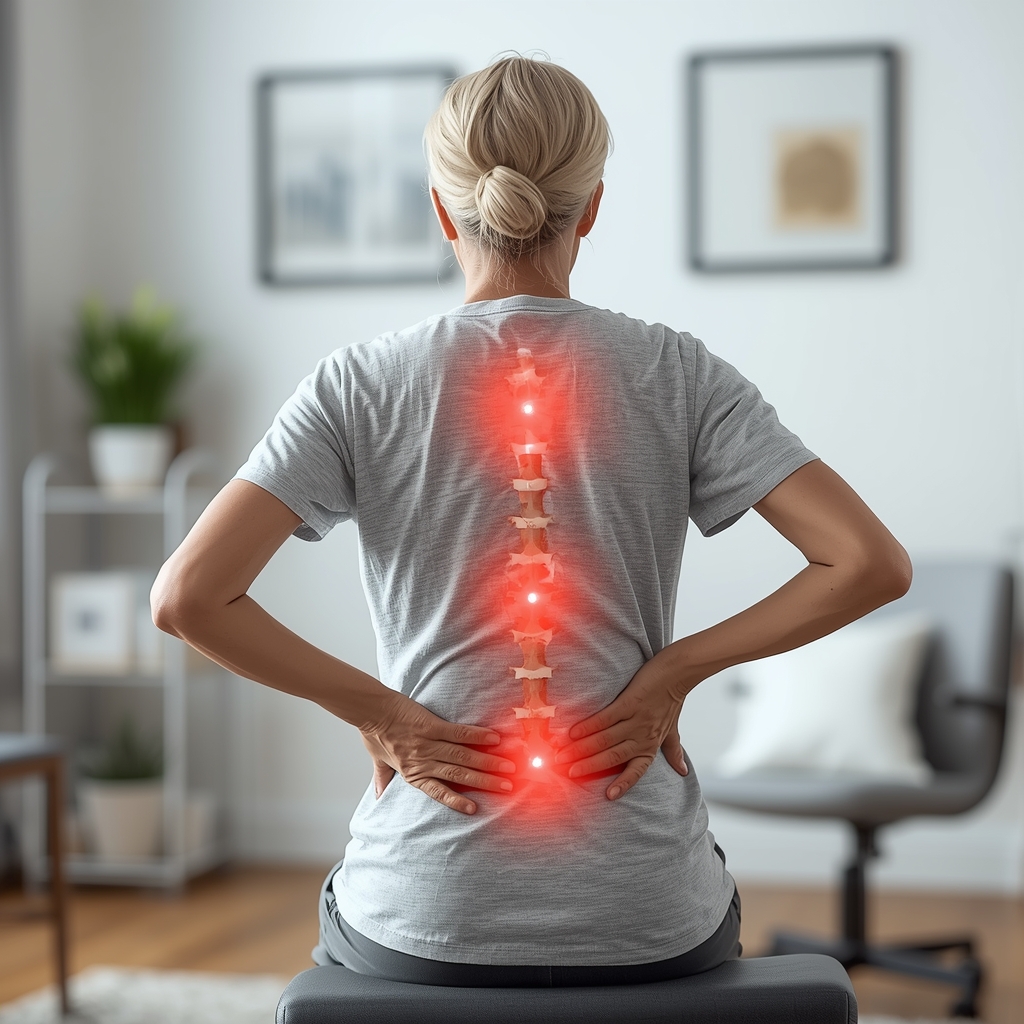
Understanding Adult Degenerative Scoliosis
Adult degenerative scoliosis refers to an abnormal sideways curvature of the spine that develops in older adults due to wear and tear on spinal structures. Unlike pediatric scoliosis, which often stems from congenital factors, this condition typically arises from degenerative changes in the discs, joints, and ligaments. Symptoms may include back pain, reduced mobility, and postural imbalances. While not always severe, it can significantly impact quality of life. Chiropractic care may offer supportive strategies to manage symptoms, but it’s essential to approach treatment with a qualified provider who understands the unique needs of aging spines.
How Chiropractic Adjustments Work
Chiropractic adjustments involve manual manipulations to restore proper alignment and function to the spine. For adult degenerative scoliosis, these techniques may aim to reduce pressure on nerves, improve joint mobility, and alleviate pain. By addressing misalignments, adjustments could potentially enhance the spine’s ability to support the body’s natural mechanics. However, the approach must be gentle and tailored to the patient’s condition, as older adults often have additional health considerations. Chiropractors may use specialized methods to ensure safety and effectiveness, focusing on gradual, measured interventions rather than forceful corrections.
Managing Pain and Improving Mobility
Chiropractic care may help manage pain associated with adult degenerative scoliosis by reducing inflammation and easing pressure on spinal structures. Adjustments could also improve mobility by restoring range of motion in affected areas. Some patients report relief from chronic back pain, though results vary based on individual factors. It’s important to note that chiropractic adjustments are not a cure but a supportive tool. Combining them with other therapies, such as physical therapy or exercise, may enhance outcomes. Always consult a chiropractor to determine if adjustments are suitable for your specific condition and health history.
Enhancing Posture and Functional Stability
Adult degenerative scoliosis can lead to postural changes that affect balance and daily activities. Chiropractic adjustments may help realign the spine, potentially improving posture and reducing strain on muscles and joints. This could contribute to better functional stability, making it easier to perform tasks like walking or standing. Additionally, adjustments might address compensatory patterns that develop due to spinal curvature, such as uneven weight distribution. While results depend on the severity of the condition, many older adults find that chiropractic care supports a more balanced, comfortable posture. A personalized plan from a skilled chiropractor is key to achieving these benefits safely.
Complementary Approaches to Care
Chiropractic adjustments often work best when combined with other therapies. For adult degenerative scoliosis, this might include targeted exercises to strengthen core muscles, ergonomic adjustments for daily activities, or physical therapy to improve flexibility. Some chiropractors may also incorporate soft tissue techniques or lifestyle counseling to address overall spinal health. These complementary approaches can enhance the effects of adjustments and promote long-term wellness. However, it’s crucial to coordinate care with a qualified provider to ensure all strategies align with your specific needs. A holistic, multidisciplinary approach may offer the most comprehensive support for managing degenerative scoliosis.
When to Seek Professional Guidance
If you’re experiencing symptoms of adult degenerative scoliosis, such as persistent back pain or difficulty moving, consulting a chiropractor is a proactive step. A qualified provider can assess your condition, rule out other causes, and create a tailored care plan. It’s important to disclose any existing health conditions, medications, or previous spinal surgeries to ensure safe treatment. While chiropractic care may offer relief, it’s not a substitute for medical evaluation. Always work with a licensed professional to explore options that align with your health goals and lifestyle. Regular check-ins can help monitor progress and adjust strategies as needed.













