
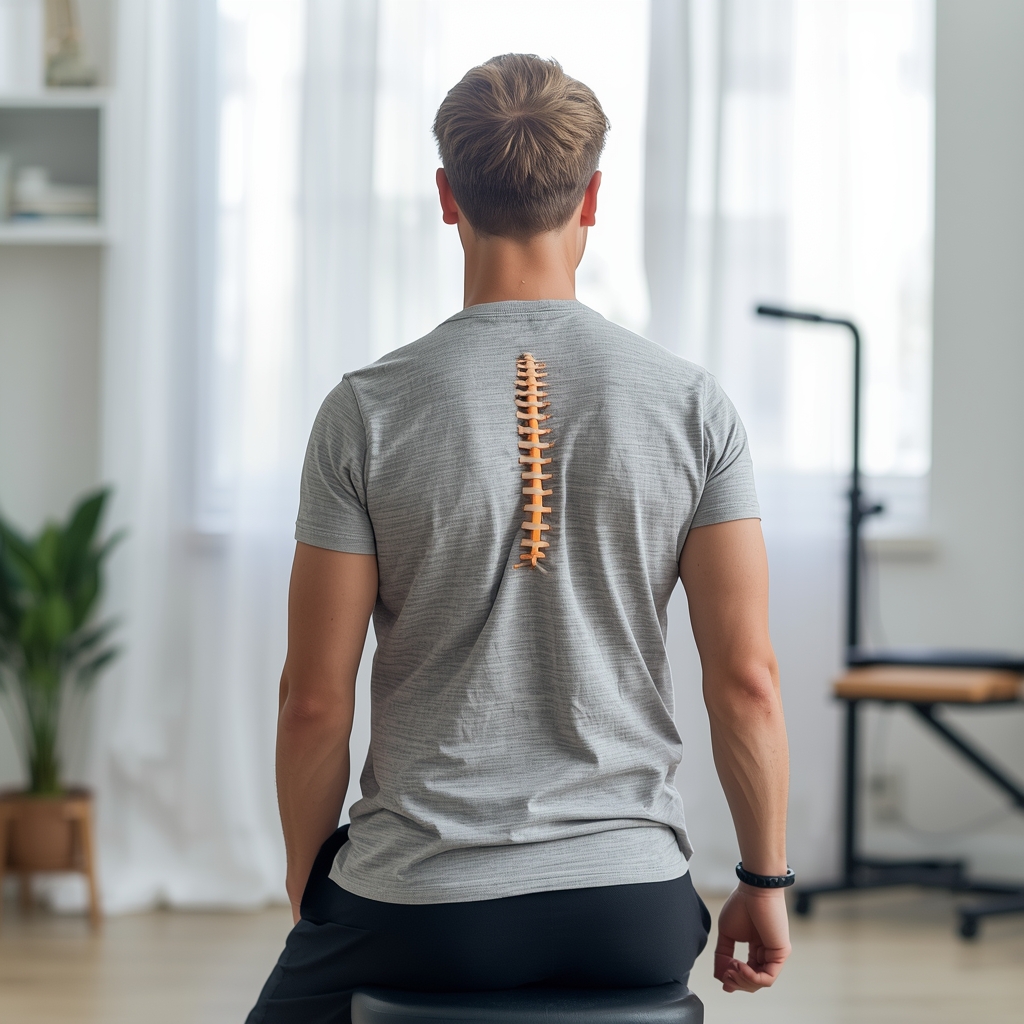
Understanding Mild Scoliosis and Non-Surgical Options
Mild scoliosis, characterized by a slight lateral curvature of the spine, often causes minimal symptoms but may require management to prevent progression. Non-surgical strategies focus on maintaining spinal function, reducing discomfort, and improving posture. Chiropractic care and targeted exercises are commonly explored approaches. These methods aim to support the spine’s natural alignment without invasive procedures. While individual results vary, many adults find relief through consistent, personalized care. It’s essential to consult a qualified chiropractor to develop a plan tailored to your condition. Regular movement, proper ergonomics, and strengthening exercises may also play a role in managing mild scoliosis effectively.
Chiropractic Adjustments for Spinal Alignment
Spinal adjustments, a core component of chiropractic care, involve manual manipulations to improve joint mobility and reduce nerve interference. For adults with mild scoliosis, these adjustments may help alleviate pressure on the spine and surrounding tissues. While not a cure, they can enhance comfort and support overall spinal health. Chiropractors use specific techniques to address imbalances caused by the curvature, promoting better posture and reduced strain. Patients often report improved flexibility and decreased pain after regular sessions. However, adjustments should always be performed by a licensed professional to ensure safety and effectiveness. Combining adjustments with other strategies, like exercise, may yield the best outcomes for long-term management.
Corrective Exercises for Muscle Balance and Posture
Targeted exercises, such as those in corrective exercise programs, aim to strengthen weak muscles and stretch tight ones, helping to counteract scoliosis-related imbalances. These routines focus on improving core stability, posture, and spinal alignment. Activities like yoga, Pilates, and resistance training can enhance flexibility and support the spine’s natural curve. A chiropractor or physical therapist can design a personalized plan to address specific needs. Consistency is key, as regular practice may reduce discomfort and slow progression. While these exercises do not reverse scoliosis, they can significantly improve quality of life. Always consult a healthcare provider before starting a new regimen to ensure it aligns with your condition.
Posture Correction and Ergonomic Adjustments
Poor posture can exacerbate scoliosis symptoms, making posture correction a vital aspect of non-surgical care. Chiropractors often recommend ergonomic adjustments to daily activities, such as sitting, standing, and sleeping. Proper chair support, lumbar cushions, and posture-friendly workstations can reduce spinal strain. Additionally, exercises that promote awareness of body alignment may help maintain improvements over time. Simple habits, like avoiding slouching or carrying heavy bags on one side, also contribute to better spinal health. Combining these adjustments with regular chiropractic visits can create a supportive environment for the spine. Small, consistent changes often lead to meaningful long-term benefits for adults managing mild scoliosis.
Pain Management and Symptom Relief Strategies
Non-surgical approaches to scoliosis often include methods to manage pain and discomfort. Chiropractic care may incorporate soft tissue therapies, heat or cold applications, and lifestyle modifications to ease symptoms. Over-the-counter pain relievers, when used as directed, can also provide temporary relief. Patients are encouraged to identify and avoid activities that worsen their condition. Stress management techniques, such as mindfulness or gentle stretching, may further reduce tension in the back. While these strategies do not address the curvature itself, they can improve daily functionality and well-being. A chiropractor can guide you in selecting safe, effective options tailored to your needs.
When to Seek Professional Guidance
While mild scoliosis may not require aggressive intervention, regular check-ups with a chiropractor are crucial for monitoring changes and adjusting care plans. A professional can assess the spine’s condition, recommend appropriate exercises, and identify signs of progression. Early intervention often leads to better outcomes, as minor adjustments can prevent worsening over time. Adults should also communicate any new or worsening symptoms to their provider. Combining chiropractic care with other non-surgical methods, like physical therapy, may offer comprehensive support. Ultimately, a personalized approach, guided by a qualified practitioner, ensures safe and effective management of mild scoliosis.













