
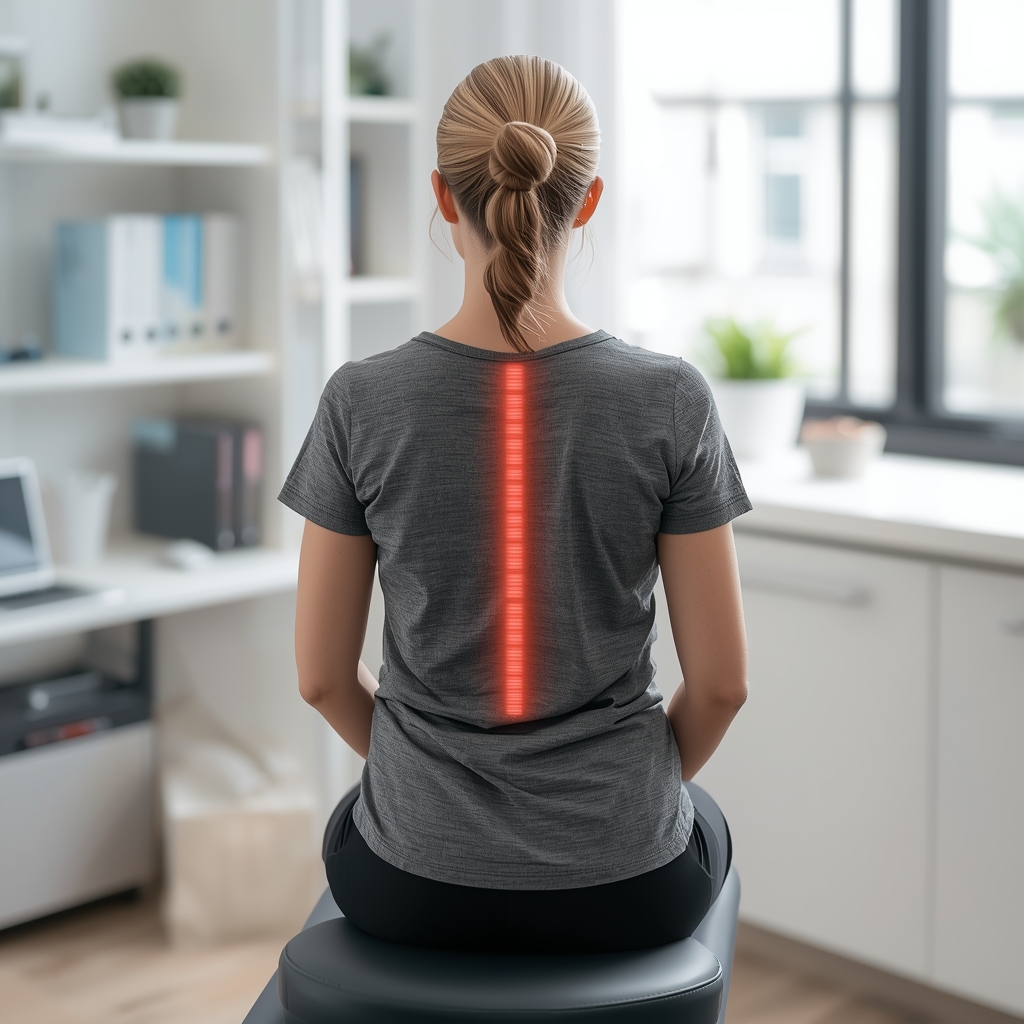
Understanding Adult Scoliosis and Non-Surgical Options
Adult scoliosis refers to an abnormal sideways curvature of the spine that develops in adulthood, often causing discomfort, reduced mobility, and postural imbalances. While surgery is sometimes recommended for severe cases, many individuals seek non-surgical approaches to manage symptoms and improve quality of life. Chiropractic care offers a conservative, drug-free alternative by focusing on spinal alignment, pain relief, and functional improvement. This approach emphasizes personalized treatment plans tailored to the patient’s unique condition, aiming to reduce pressure on nerves, enhance mobility, and support the body’s natural healing processes. By addressing the root causes of discomfort rather than just masking symptoms, chiropractic care provides a holistic option for those looking to avoid invasive procedures.
The Role of Spinal Adjustments in Scoliosis Management
Spinal adjustments, a cornerstone of chiropractic care, involve precise manual manipulations to restore proper alignment and function to the spine. For adult scoliosis, these adjustments can help alleviate nerve pressure, reduce pain, and improve posture by correcting misalignments. Techniques such as the Diversified or Gonstead methods are commonly used, focusing on gentle, targeted movements to realign vertebrae. While adjustments alone may not reverse spinal curvature, they can significantly ease associated symptoms by enhancing spinal mechanics. Regular sessions may also prevent further progression of the condition by maintaining optimal spinal function. However, the effectiveness of adjustments varies depending on the severity of the scoliosis and the patient’s overall health, making it essential to consult a qualified chiropractor for a tailored plan.
Soft Tissue Techniques for Symptom Relief
Soft tissue therapies, such as Active Release Technique (ART), play a critical role in managing adult scoliosis by addressing muscle imbalances and tension that contribute to pain and restricted movement. These techniques involve applying pressure to specific areas of the body to break down scar tissue, improve circulation, and restore flexibility. For scoliosis patients, tight muscles on one side of the spine can exacerbate curvature-related discomfort, making soft tissue work an essential complementary approach. By reducing muscle stiffness and promoting better biomechanics, these therapies can enhance the effectiveness of spinal adjustments. Additionally, they may help alleviate headaches, joint pain, and fatigue often associated with scoliosis. When combined with other chiropractic strategies, soft tissue techniques offer a multifaceted approach to symptom management and long-term spinal health.
Corrective Exercises and Posture Training
Corrective exercises and posture training are vital components of non-surgical scoliosis management, designed to strengthen core muscles, improve flexibility, and support spinal alignment. These exercises, often customized by a chiropractor, target specific muscle groups to counteract imbalances caused by the curvature. Activities like yoga, Pilates, and targeted resistance training can enhance posture, reduce pain, and increase mobility. Posture training further reinforces these benefits by educating patients on proper body mechanics during daily activities. Over time, consistent practice can lead to improved spinal stability and a reduction in discomfort. While these methods may not eliminate scoliosis, they empower patients to take an active role in their care, fostering long-term wellness. A chiropractor can guide individuals in selecting and performing exercises safely to avoid injury and maximize results.
Decompression Therapy for Spinal Relief
Spinal decompression therapy is a non-invasive technique used to relieve pressure on the spine, offering potential benefits for adults with scoliosis-related pain. This therapy involves using a specialized table or device to gently stretch the spine, creating space between vertebrae and reducing nerve compression. By alleviating pressure on discs and surrounding tissues, decompression can ease pain, improve mobility, and promote healing. It is particularly useful for patients experiencing radiating pain, numbness, or tingling due to nerve irritation. While not a cure for scoliosis, decompression therapy can complement other chiropractic treatments by addressing mechanical stress on the spine. The effectiveness of this approach depends on the individual’s condition and the expertise of the practitioner, making it important to seek care from a licensed professional experienced in spinal decompression.
Integrating Chiropractic Care with Other Therapies
Combining chiropractic care with other therapeutic modalities can enhance outcomes for adults managing scoliosis without surgery. Physical therapy, for example, complements spinal adjustments by strengthening muscles and improving flexibility, while massage therapy helps relieve tension and improve circulation. Chiropractors may also recommend ergonomic adjustments, lifestyle modifications, or nutritional support to address underlying factors contributing to spinal instability. This integrative approach ensures a comprehensive strategy that tackles pain, mobility issues, and overall well-being. However, the success of such a plan relies on collaboration between healthcare providers and personalized care. Patients should work closely with their chiropractor to determine the most effective combination of treatments, ensuring safety and optimal results. By embracing a multidisciplinary perspective, individuals with scoliosis can achieve greater relief and long-term spinal health.













