
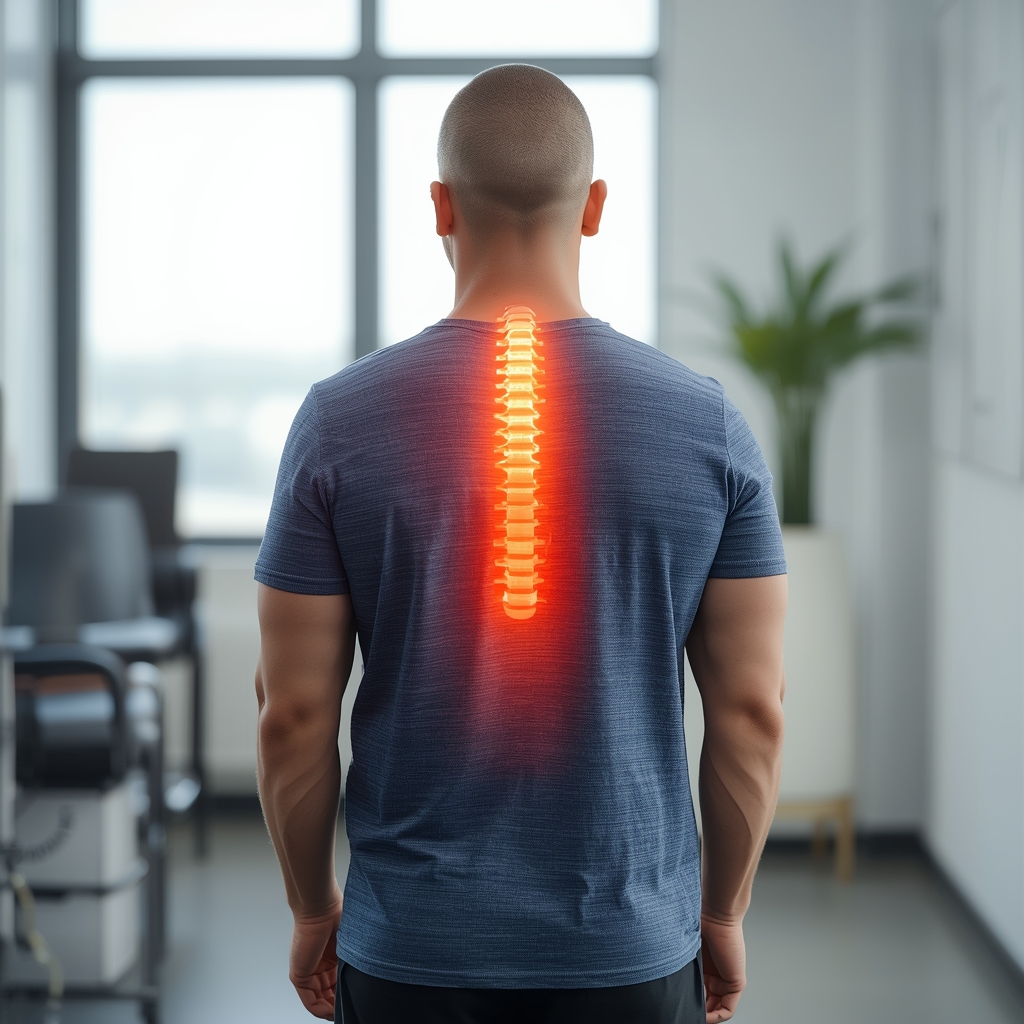
Understanding Chronic Pain in Veterans with Combat-Related Injuries
Chronic pain is a pervasive challenge for veterans with combat-related injuries, often stemming from complex trauma, musculoskeletal damage, or neurological conditions. These injuries may involve spinal fractures, soft tissue injuries, or repetitive strain from military duties. Traditional medical approaches, including medications and surgeries, sometimes fall short in providing long-term relief. Chiropractic care offers a non-invasive, holistic alternative by focusing on musculoskeletal alignment, nerve function, and the body’s natural healing processes. For veterans, this approach can complement conventional treatments, addressing pain through techniques that restore mobility and reduce inflammation. However, the effectiveness of specific chiropractic methods varies, and individualized care is critical. Understanding which techniques are most beneficial requires examining evidence-based practices tailored to the unique needs of combat-injured patients.
Spinal Manipulation and Adjustments
Spinal manipulation, a cornerstone of chiropractic care, involves manual adjustments to realign the spine and alleviate pressure on nerves. For veterans with combat-related injuries, this technique can address misalignments caused by trauma, such as whiplash, falls, or repetitive stress. By restoring proper spinal function, adjustments may reduce pain, improve range of motion, and enhance overall mobility. Research suggests that spinal manipulation is particularly effective for lower back pain, a common issue among veterans. However, its application requires careful consideration of injury history to avoid exacerbating existing conditions. Chiropractors often combine this approach with other therapies to ensure safety and maximize benefits. While not a standalone solution, spinal adjustments can play a vital role in a comprehensive pain management plan for veterans.
Soft Tissue Therapy and Myofascial Release
Soft tissue therapy targets muscles, ligaments, and fascia to relieve tension and improve flexibility. For veterans with chronic pain, this technique can address knots, scar tissue, and restricted movement resulting from combat injuries. Myofascial release, a subset of soft tissue therapy, focuses on easing tightness in the connective tissue surrounding muscles, which often contributes to persistent discomfort. This approach is especially beneficial for conditions like fibromyalgia or post-traumatic muscle stiffness. By reducing inflammation and enhancing blood flow, soft tissue therapy supports the body’s natural healing processes. Veterans may find this method particularly helpful for managing pain in areas like the neck, shoulders, or back. While not a cure, it can significantly improve quality of life when integrated with other chiropractic strategies.
Active Release Technique (ART) for Combat-Related Injuries
Active Release Technique (ART) is a specialized soft tissue therapy that addresses muscle, tendon, and nerve issues by breaking down adhesions and restoring normal function. For veterans with combat-related injuries, ART can be effective for conditions like repetitive strain injuries, nerve entrapments, or post-surgical scar tissue. This technique involves applying pressure while the patient moves the affected area, promoting flexibility and reducing pain. Studies indicate that ART may improve outcomes for musculoskeletal injuries by targeting the root causes of dysfunction. However, its success depends on the chiropractor’s expertise and the patient’s specific needs. Veterans experiencing chronic pain from complex injuries may benefit from ART as part of a multidisciplinary care plan, though it should always be discussed with a qualified provider.
Decompression Therapy for Spinal and Nerve-Related Pain
Decompression therapy uses gentle traction to relieve pressure on spinal discs and nerves, making it a valuable option for veterans with conditions like herniated discs or spinal stenosis. Combat-related injuries often lead to disc degeneration or nerve compression, causing radiating pain and mobility issues. This non-surgical approach can reduce inflammation, improve disc hydration, and promote healing. Many veterans report significant pain relief after decompression sessions, particularly for lower back or neck pain. However, its effectiveness varies based on the severity of the condition and the patient’s overall health. Chiropractors may combine decompression therapy with other techniques to optimize results. While not a universal solution, it offers a drug-free alternative for managing chronic pain in combat-injured individuals.
Integrative Approaches and Patient-Centered Care
Effective chronic pain management for veterans often requires an integrative approach, combining multiple chiropractic techniques with lifestyle adjustments. This may include spinal adjustments, soft tissue therapy, and decompression, alongside recommendations for exercise, nutrition, and stress reduction. Patient-centered care emphasizes personalized treatment plans that consider the veteran’s medical history, injury specifics, and goals. For example, a veteran with a history of spinal trauma might benefit from a mix of decompression therapy and myofascial release. Open communication between the patient and chiropractor is essential to monitor progress and make necessary adjustments. While no single technique works for everyone, a tailored, multidisciplinary strategy can enhance outcomes and improve long-term quality of life for veterans living with chronic pain.














