
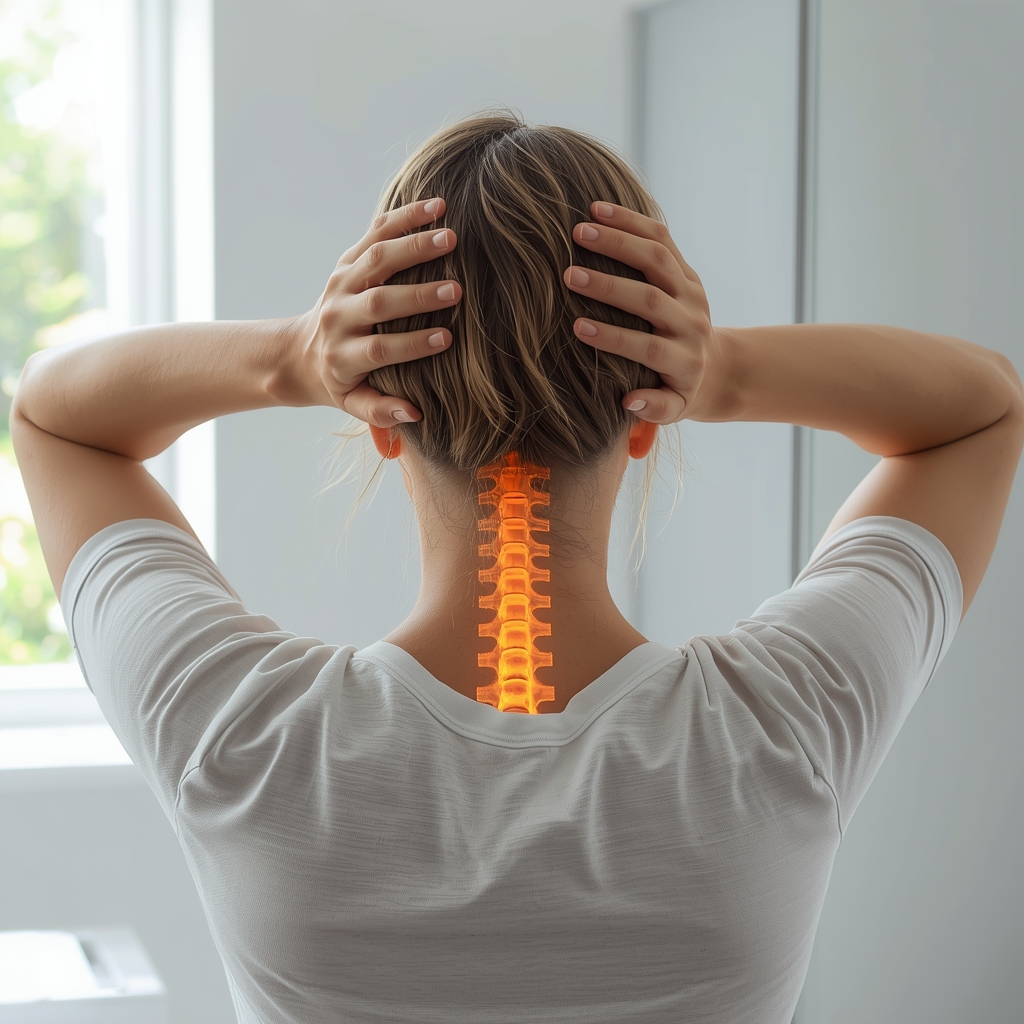
Anatomy of the Cervical Spine and Headache Triggers
The cervical spine, comprising seven vertebrae (C1-C7), supports the head and enables its range of motion. Key structures include the atlas (C1) and axis (C2), which facilitate nodding and rotational movements. The spine’s natural curvature, along with surrounding muscles, ligaments, and nerves, distributes mechanical stress. Misalignments, degenerative changes, or muscle tension in this region can irritate nerves like the greater occipital nerve or compress blood vessels, potentially triggering headaches. Understanding this anatomy helps explain how cervical issues may contribute to pain patterns felt in the head and neck.
Common Cervical Spine Issues Linked to Headaches
Conditions such as cervical subluxations (misalignments), degenerative disc disease, and facet joint inflammation are frequently associated with headaches. Muscle tightness in the trapezius or levator scapulae can lead to tension-type headaches, while nerve compression in the cervical spine may cause cervicogenic headaches. Poor posture, repetitive strain, or trauma (e.g., whiplash) can exacerbate these issues. The cervical spine’s proximity to the brainstem and vertebral arteries also means structural imbalances might affect blood flow or neurological function, contributing to headache symptoms.
How Cervical Spine Misalignment Causes Headaches
Cervical spine misalignments can disrupt the body’s biomechanics, leading to increased stress on joints, muscles, and nerves. For example, a forward head posture (tech neck) flattens the cervical curve, straining the neck muscles and irritating nerves. This can result in referred pain to the head, often described as a dull, aching sensation. Additionally, restricted joint mobility may limit normal movement, causing compensatory patterns that further aggravate discomfort. Addressing these structural imbalances is key to reducing headache frequency and intensity.
Chiropractic Adjustments for Cervical Spine-Related Headaches
Chiropractic adjustments aim to restore proper alignment and function to the cervical spine. Techniques like diversified adjustments, mobilization, or instrument-assisted methods may be used to correct subluxations and improve joint mobility. These interventions can alleviate nerve pressure, reduce muscle tension, and enhance blood flow. For instance, adjusting the atlas (C1) may relieve compression on the brainstem, while targeting C2-C7 can address facet joint restrictions. A chiropractor will tailor the approach based on individual findings and symptom patterns.
Additional Therapies That Complement Adjustments
Soft tissue therapies, such as Active Release Technique (ART) or myofascial release, can address muscle tightness contributing to headaches. Corrective exercises, postural retraining, and ergonomic adjustments may also support long-term relief. For example, strengthening the neck and core muscles can improve stability, while stretching shortened muscles can reduce tension. Chiropractors often combine these strategies with adjustments to optimize outcomes. Patients are encouraged to follow personalized care plans and maintain open communication about their progress.
When to Seek Professional Evaluation
If headaches persist or worsen, consulting a chiropractor or healthcare provider is essential. They can assess for underlying cervical spine issues, such as disc herniations or nerve compression, and determine if chiropractic care is appropriate. Red flags like sudden severe headaches, neurological symptoms, or trauma warrant immediate medical attention. A qualified chiropractor will conduct a thorough evaluation, including posture analysis and range-of-motion tests, to develop a safe, effective treatment plan tailored to the individual’s needs.













