
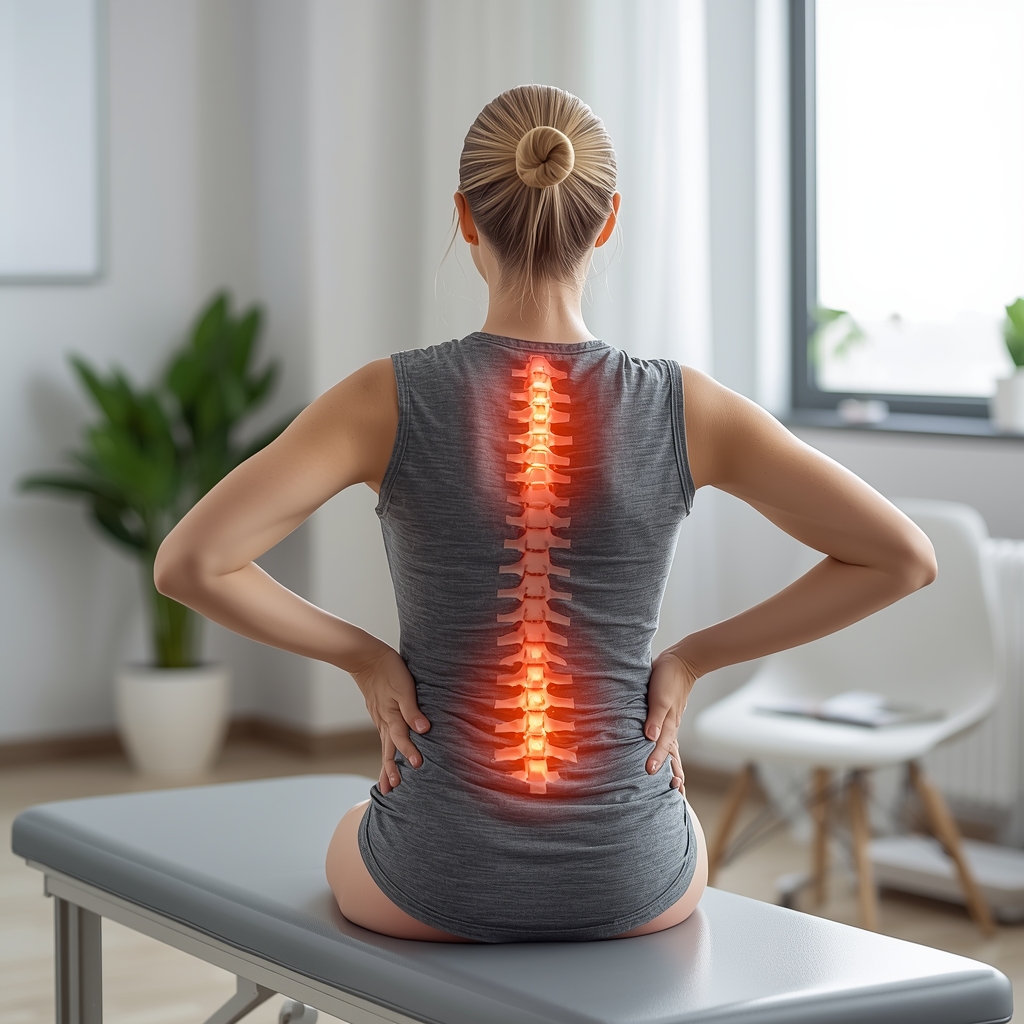
Understanding Degenerative Scoliosis and Non-Surgical Pain Management
Adult degenerative scoliosis involves abnormal spinal curvature that develops later in life, often causing pain, reduced mobility, and postural challenges. While surgery is an option for severe cases, many adults seek non-surgical approaches to manage symptoms. Chiropractic care and adaptive exercise programs are commonly explored for their potential to alleviate discomfort and improve function. These strategies focus on addressing musculoskeletal imbalances, enhancing flexibility, and strengthening supportive structures. By prioritizing conservative methods, patients can often achieve meaningful relief without invasive interventions. However, effectiveness varies, and guidance from a qualified chiropractor is essential to tailor approaches to individual needs.
Spinal Adjustments and Manual Techniques
Spinal adjustments, a cornerstone of chiropractic care, aim to restore proper alignment and reduce nerve irritation. For adults with degenerative scoliosis, gentle manipulations may help ease pressure on compressed nerves and improve joint mobility. Techniques like diversified adjustments or flexion-distraction therapy are often used to address spinal curvature-related discomfort. While not a cure, these methods can complement other strategies by promoting better posture and reducing pain. Patients should discuss their condition with a chiropractor to ensure adjustments are safe and appropriate for their specific spinal structure. Regular sessions may help maintain progress, but results depend on the severity of the condition and the patient’s overall health.
Active Release Technique (ART) for Soft Tissue Relief
Active Release Technique (ART) is a soft tissue therapy that targets adhesions and tightness in muscles, tendons, and ligaments. For adults with degenerative scoliosis, ART can alleviate pain caused by muscular imbalances or compensatory patterns. By breaking down scar tissue and restoring normal movement, this approach may improve flexibility and reduce strain on the spine. Commonly used for areas like the back, hips, and legs, ART is often combined with other chiropractic methods for enhanced results. Patients should work with a certified practitioner to ensure proper application, as technique-specific training is required. While not a standalone solution, ART can play a valuable role in a comprehensive pain management plan.
Adaptive Exercise Programs for Spinal Support
Adaptive exercise programs, including corrective exercises, are designed to strengthen core muscles, improve posture, and enhance spinal stability. For degenerative scoliosis, these exercises may focus on balancing muscle groups around the spine to reduce asymmetrical stress. Activities like yoga, Pilates, or targeted resistance training can complement chiropractic care by promoting long-term mobility. A chiropractor or physical therapist can customize routines to address individual needs, ensuring exercises are safe and effective. Consistency is key, as gradual improvements in strength and flexibility may lead to reduced pain over time. These programs are most successful when integrated with other non-surgical strategies and monitored by a healthcare professional.
Combining Chiropractic Care with Other Therapies
A multidisciplinary approach often yields the best outcomes for managing degenerative scoliosis. Chiropractic care may be paired with therapies like decompression therapy, which gently stretches the spine to relieve pressure on discs and nerves. Soft tissue techniques, such as myofascial release, can further ease tension in surrounding muscles. Additionally, modalities like ultrasound or electrical stimulation might be used to reduce inflammation and promote healing. While these methods are not substitutes for medical evaluation, they can enhance traditional chiropractic interventions. Patients should consult with their chiropractor to determine which combinations are safest and most beneficial for their condition.
Personalized Care Plans for Long-Term Relief
Every adult with degenerative scoliosis has unique needs, making personalized care plans essential. A chiropractor will assess the patient’s spinal curvature, pain levels, and functional limitations to design a tailored strategy. This may involve periodic adjustments, targeted exercises, and lifestyle modifications. Regular follow-ups allow for adjustments to the plan as the patient’s condition evolves. Open communication between the patient and provider is crucial to address concerns and optimize results. While non-surgical approaches cannot reverse spinal curvature, they can significantly improve quality of life when consistently applied. Patients are encouraged to work closely with their chiropractor to explore the most effective options for their situation.














