
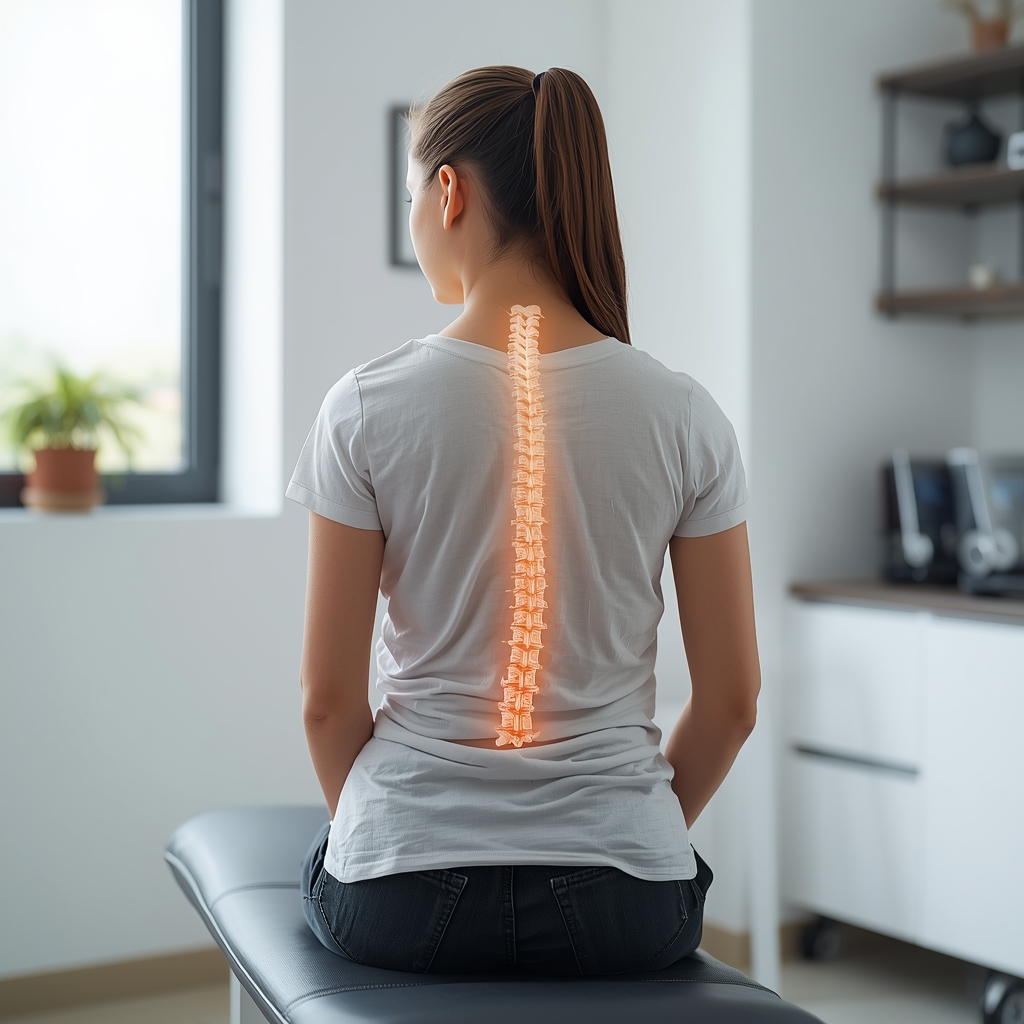
Understanding Spinal Monitoring in Scoliosis Care
Chiropractors play a vital role in tracking spinal curvature changes in children with scoliosis through routine adjustments. These visits allow professionals to assess spinal alignment, identify deviations, and evaluate the effectiveness of interventions. While adjustments primarily aim to improve mobility and reduce discomfort, they also serve as a tool for ongoing monitoring. By observing how the spine responds to manual corrections, chiropractors can detect subtle shifts in curvature over time. This process emphasizes the importance of consistent care, as early detection of progression enables timely adjustments to treatment plans. However, it is crucial to note that chiropractic monitoring complements, rather than replaces, medical evaluations by orthopedic specialists or pediatricians.
Non-Invasive Assessment Techniques
Chiropractors use a combination of physical exams and imaging tools to monitor spinal curvature without invasive procedures. During regular visits, they may perform postural assessments, measure spinal range of motion, and evaluate muscle tension. In some cases, X-rays or other diagnostic imaging might be recommended to visualize the spine’s structure and track changes. These methods help identify patterns of curvature progression, allowing for data-driven decisions about care. Chiropractors often collaborate with other healthcare providers to ensure a comprehensive approach, integrating findings from multiple disciplines. This collaborative strategy ensures that any observed changes are interpreted within the broader context of the child’s overall health and development.
The Role of Consistent Follow-Ups
Regular chiropractic visits are essential for monitoring scoliosis progression in children. Each adjustment provides an opportunity to reassess spinal alignment and detect early signs of worsening curvature. By maintaining a schedule of follow-ups, chiropractors can establish a baseline of the child’s spinal health and track deviations over time. This proactive approach allows for adjustments to the care plan as needed, ensuring that interventions remain effective. Parents and caregivers are encouraged to attend these appointments to stay informed about their child’s progress. However, it is important to remember that chiropractic care is part of a broader management strategy, and decisions about treatment should involve input from all relevant healthcare professionals.
Monitoring Through Patient and Family Observations
Parents and caregivers can contribute to scoliosis monitoring by observing their child’s posture, gait, and physical activity levels between chiropractic visits. Noticing asymmetries in the shoulders, hips, or shoulder blades may signal changes in spinal curvature. Chiropractors often educate families on what to look for and when to seek further evaluation. Open communication between the family and the chiropractor ensures that any concerns are addressed promptly. While these observations are valuable, they should not replace professional assessments. Instead, they serve as an additional layer of vigilance, helping to identify potential issues early and supporting the child’s overall well-being.
Integrating Chiropractic Care with Other Therapies
Chiropractic adjustments are often part of a multifaceted approach to managing scoliosis in children. Physical therapy, bracing, and exercise programs may be recommended alongside adjustments to support spinal health. Chiropractors work closely with other specialists to ensure these therapies align with the child’s specific needs. For example, corrective exercises might be incorporated to strengthen muscles that support the spine, while bracing could be used to prevent further curvature progression. This integrated approach maximizes the benefits of each intervention, creating a balanced strategy for long-term management. Families are encouraged to discuss all treatment options with their healthcare team to make informed decisions.
When to Seek Additional Medical Evaluation
While chiropractors are trained to monitor spinal curvature, they recognize the limits of their expertise. If significant changes in scoliosis are detected, they may refer the child to an orthopedic specialist for further evaluation. This step is critical for determining whether medical interventions, such as bracing or surgery, are necessary. Chiropractors also stay informed about the latest research and guidelines to ensure their recommendations align with evidence-based practices. Families should feel empowered to ask questions and seek second opinions when needed. Ultimately, the goal is to provide the child with the most effective and safe care, combining chiropractic insights with broader medical expertise.













