
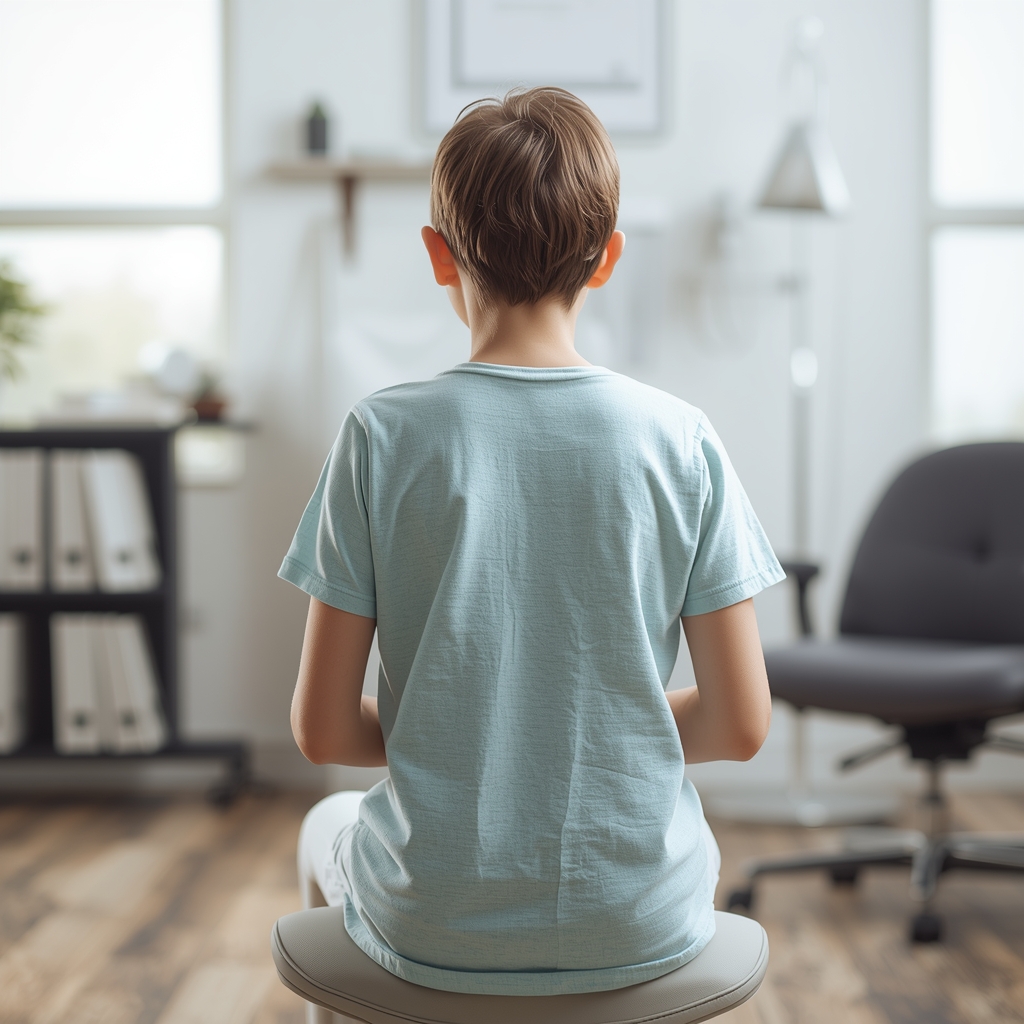
Understanding Scoliosis in Children and the Role of Chiropractic Care
Scoliosis, an abnormal sideways curvature of the spine, can affect children and adolescents, often developing during growth spurts. While some cases are mild, others may require intervention to prevent progression. Chiropractors play a vital role in managing scoliosis by focusing on spinal alignment, posture, and overall musculoskeletal health. For children, chiropractic care is tailored to be gentle and age-appropriate, using techniques that accommodate their developing bodies. The goal is not to correct the curve entirely but to support spinal function, reduce discomfort, and promote healthy movement patterns. Families seeking care should look for chiropractors with experience in pediatric cases, ensuring a collaborative approach that prioritizes the child’s comfort and long-term well-being.
Tailoring Adjustments for Scoliosis in Children
Chiropractors use specialized techniques to address scoliosis in children, focusing on the spine’s flexibility and the child’s unique needs. Adjustments are often lighter and more frequent than in adults, emphasizing gradual progress. Methods like the Gonstead technique or activator methods allow for precise, controlled adjustments that avoid excessive force. Additionally, chiropractors may incorporate soft tissue therapies, corrective exercises, and posture training to complement spinal adjustments. These approaches aim to improve muscle balance, reduce pain, and support the spine’s natural alignment. The treatment plan is typically dynamic, evolving as the child grows and their condition changes. Regular follow-ups ensure adjustments remain effective and aligned with the child’s developmental stage, fostering a proactive approach to spinal health.
Early Signs of Scoliosis Parents Should Watch For
Parents should be vigilant for early signs of scoliosis, as early detection can significantly impact treatment outcomes. Common indicators include uneven shoulders, a tilted head, or one hip appearing higher than the other. A visible curve in the spine or one shoulder blade protruding more than the other may also signal scoliosis. Children might complain of back pain, fatigue after sitting or standing, or difficulty maintaining balance. Posture changes, such as leaning to one side, can also be a red flag. If these signs are present, a professional evaluation is essential. Chiropractors often work alongside pediatricians to assess the spine’s curvature and determine the best course of action. Early intervention can help manage the condition more effectively, reducing the risk of complications as the child grows.
Family-Centered Care for Scoliosis Management
Family-centered care is critical when addressing scoliosis in children, as it ensures the child’s physical, emotional, and social needs are met. Chiropractors collaborate with parents to create a supportive environment that encourages the child’s participation in their care. This approach involves educating families about the condition, treatment options, and home exercises that can reinforce adjustments. Open communication between the chiropractor, parents, and the child fosters trust and compliance, making the process less stressful. Additionally, family involvement helps monitor progress and address any concerns promptly. Chiropractors may also recommend lifestyle adjustments, such as ergonomic setups for school or sports activities, to minimize strain on the spine. By prioritizing the family’s role, chiropractic care becomes a shared responsibility, enhancing the child’s overall experience and outcomes.
Non-Invasive Approaches to Support Spinal Health
Chiropractors often employ non-invasive strategies to support children with scoliosis, focusing on holistic spinal health. These may include gentle spinal adjustments, myofascial release, and corrective exercises designed to strengthen core muscles and improve posture. Nutritional guidance and stress management techniques can also play a role in supporting the body’s natural healing processes. Some practitioners integrate modalities like cold laser therapy or electrical stimulation to reduce inflammation and promote tissue repair. These approaches are typically used alongside regular adjustments to enhance their effectiveness. The emphasis is on creating a comprehensive care plan that addresses both structural and functional aspects of the child’s condition. By prioritizing non-invasive methods, chiropractors aim to minimize discomfort and support the child’s overall well-being without relying on medication or surgery.
When to Seek Professional Help for Scoliosis
If parents notice any signs of scoliosis or have concerns about their child’s posture and spine, consulting a chiropractor is a proactive step. A qualified chiropractor can perform a thorough evaluation, including posture assessment and spinal palpation, to determine the need for intervention. For children with mild curves, regular check-ups may suffice to monitor progression. However, if the curvature worsens or causes pain, further diagnostic tests like X-rays may be recommended to guide treatment. It’s important to seek care from a chiropractor experienced in pediatric cases, as they can tailor their approach to the child’s age and condition. Early professional involvement can help manage scoliosis effectively, preventing more severe complications. Families should also maintain open communication with their child’s primary care physician to ensure a coordinated approach to their health.












